Mysuru Palace Ownership Dispute Resurfaces Following Dasara Coordination Lapses
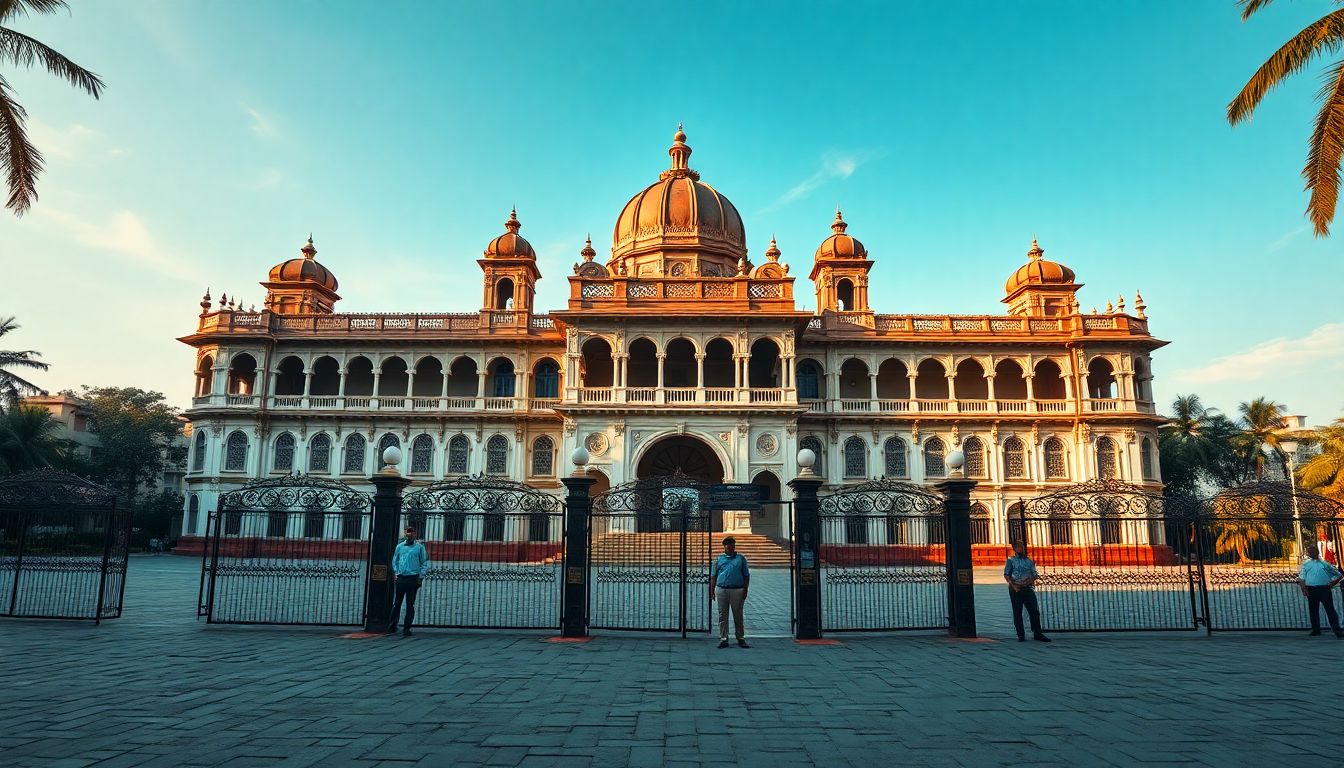
A long-standing dispute over the ownership of the historic Amba Vilas Palace and the golden howdah has resurfaced between the Wadiyar royal family and the Karnataka state government following coordination lapses during Navaratri celebrations that began on October 11 in Mysuru. The conflict has renewed legal and administrative debates concerning private property rights, public interest, and heritage conservation at one of the country's most frequented landmarks.
The latest controversy was triggered by administrative coordination failures during the Dasara festivities. In response to the lapses, Pramoda Devi Wadiyar asserted that both the palace and the golden howdah are private property. She suggested conducting the traditional Ambari procession alongside the Chamundeshwari temple car festival and sought unimpeded access to the palace premises during Ayudha Puja and Vijayadashami to conduct royal rituals without outside interference.
Contesting these assertions, Mysuru district in-charge minister Dr Yathindra Siddaramaiah maintained that the majority of the palace belongs to the state government, with only a designated section allotted to the royal family. Siddaramaiah stated that the state administration pays for the use of the Ambari during the Jamboo Savari before returning the ceremonial howdah to the family. Addressing the friction, Chief Minister DK Shivakumar stated that while Dasara honors tradition, it is now an official government programme rather than a personal event, adding that mistakes would be corrected and discussions held with Pramoda Devi Wadiyar to resolve differences.
The legal status of the palace traces back several decades. The Wadiyar dynasty ruled Mysuru from 1399, and following Independence, Jayachamaraja Wadiyar surrendered sovereign powers in 1950 while retaining the palace and other assets, including Bengaluru Palace, as private property. After the abolition of royal privy purses around 1970 to 1971, the state government assumed management of the palace in 1976 and passed a bill in 1998 to acquire the landmark for public use and conservation. The royal family challenged the 1998 law, and the legal challenge remains pending before the courts while the Palace Board manages the estate and collects ticket revenue.
The original timber palace, built in 1801, was destroyed by a fire on February 27, 1897, during the wedding celebrations of Jayalakshammanni, daughter of Chamarajendra Wadiyar X. The foundation stone for the present structure was laid in November 1897, followed by an inauguration in 1909 and full completion in 1912. Following the 1897 blaze, the state's first fire station was established in Saraswathipuram in 1898. According to archaeologist Prof NS Rangaraju, the golden howdah is built around a teakwood core with gold plating rather than 750 kilograms of solid gold.
Despite the recurring legal friction, the palace remains one of India's top tourist destinations after the Taj Mahal. During the Navaratri period starting October 11, the palace drew approximately 1.24 lakh visitors and collected Rs 1.52 crore in revenue, up from one lakh visitors and Rs 1.15 crore recorded in the comparison period.