Kasavanahalli Audit Reveals Wet Waste Collected on Just 48 of 196 Days
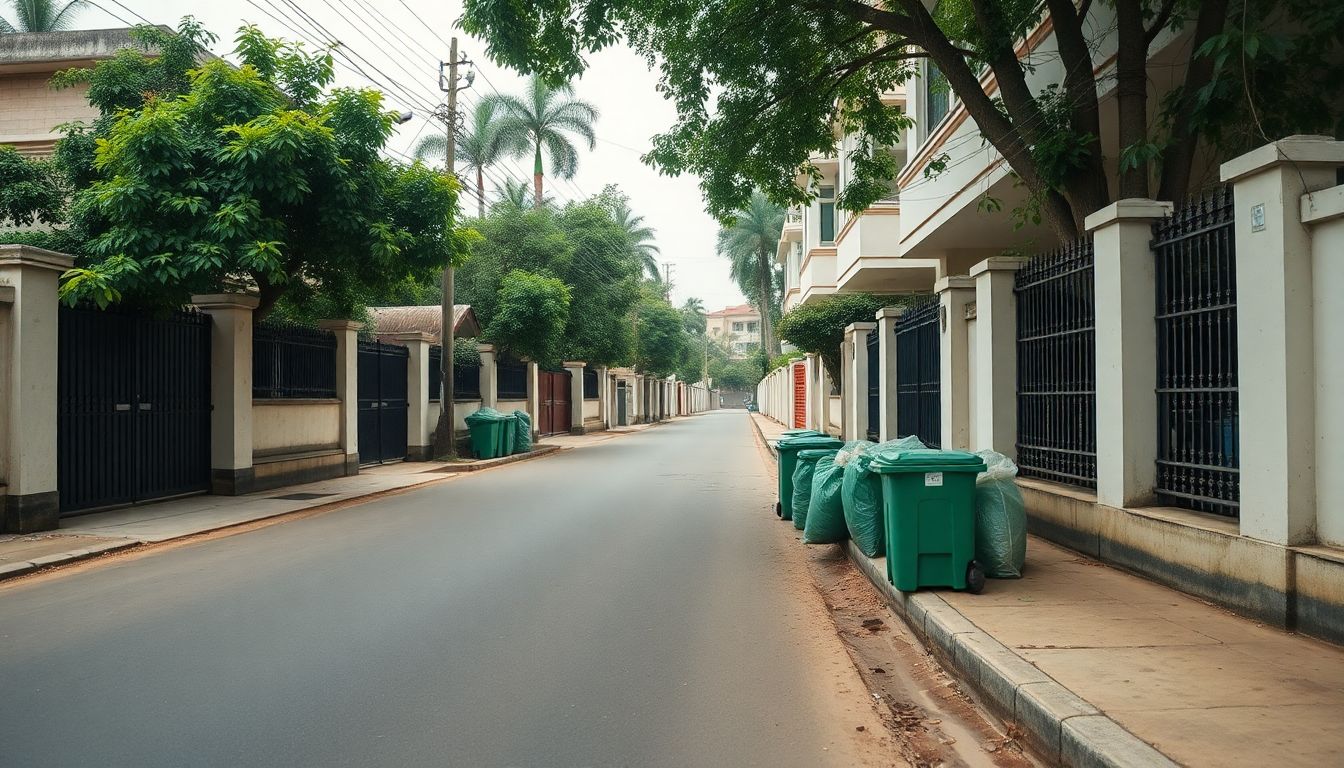
A week-long citizen-led monitoring campaign in Kasavanahalli has revealed severe disruptions in municipal garbage pickup, with wet waste collected on only 48 out of 196 recorded days between October 21 and October 28. Although solid waste management rules mandate daily wet waste collection, the pilot survey showed services running less than twice a week on average across more than 20 streets and 15 layouts in the neighbourhood.
The audit was conducted through GEODHA, a citizen-driven documentation platform, with check-ins submitted by 67 local residents. Participants reported that households typically experienced four-day gaps between wet waste pickups, with one resident documenting seven consecutive days without any collection. In another instance, a garbage truck arrived in the area but workers refused to collect wet waste, claiming the vehicle was already full. Residents stated that the resulting build-up of uncollected organic waste has fueled illegal dumping along roadsides and in public spaces, even as dry waste collection remained relatively consistent at around twice a week.
The findings also captured sharp disparities within the locality. In check-ins logged on October 27, only three out of 36 responding residents reported having their wet waste collected, while 33 faced missed pickups, marking an 8 per cent collection rate for that day. Pratul Venkatesh, founder of GEODHA, noted that the data contradicts assurances from civic officials who maintain that garbage vehicles cover every block. Venkatesh stated that the data demonstrates collection is irregular and selective, with wet waste routinely skipped even between neighbouring streets.
The tracking exercise followed mounting civic grievances in the area. In response to the worsening sanitation conditions, the Kasamuktha Kasavanahalli group submitted formal representations on behalf of more than 40 resident welfare associations to authorities and Mahadevapura MLA Manjula Limbavali. In addition, GEODHA assisted residents in filing 47 formal complaints regarding missed collections on Sahaaya, the city’s official grievance redressal platform. Venkatesh reported that all 47 complaints remained stuck in "Registered" status with no action taken, after being assigned to incorrect or outdated marshals.
Venkatesh highlighted broader structural problems across Bengaluru, noting a lack of standardisation in waste segregation and collection logistics. In some areas, waste collectors are forced to manually segregate streams inside collection vans under unsanitary conditions because households do not separate waste, while other areas deploy separate vehicles on uncoordinated schedules that miss households.
Kasavanahalli residents are calling for adequate collection vehicles, stricter oversight, and verified pickup logs before contractor payments are disbursed. Organisers now plan to expand the GEODHA monitoring framework to other parts of Bengaluru to independently verify municipal waste management claims.