Karnataka to Launch OTP-Secured Digital Health Record System
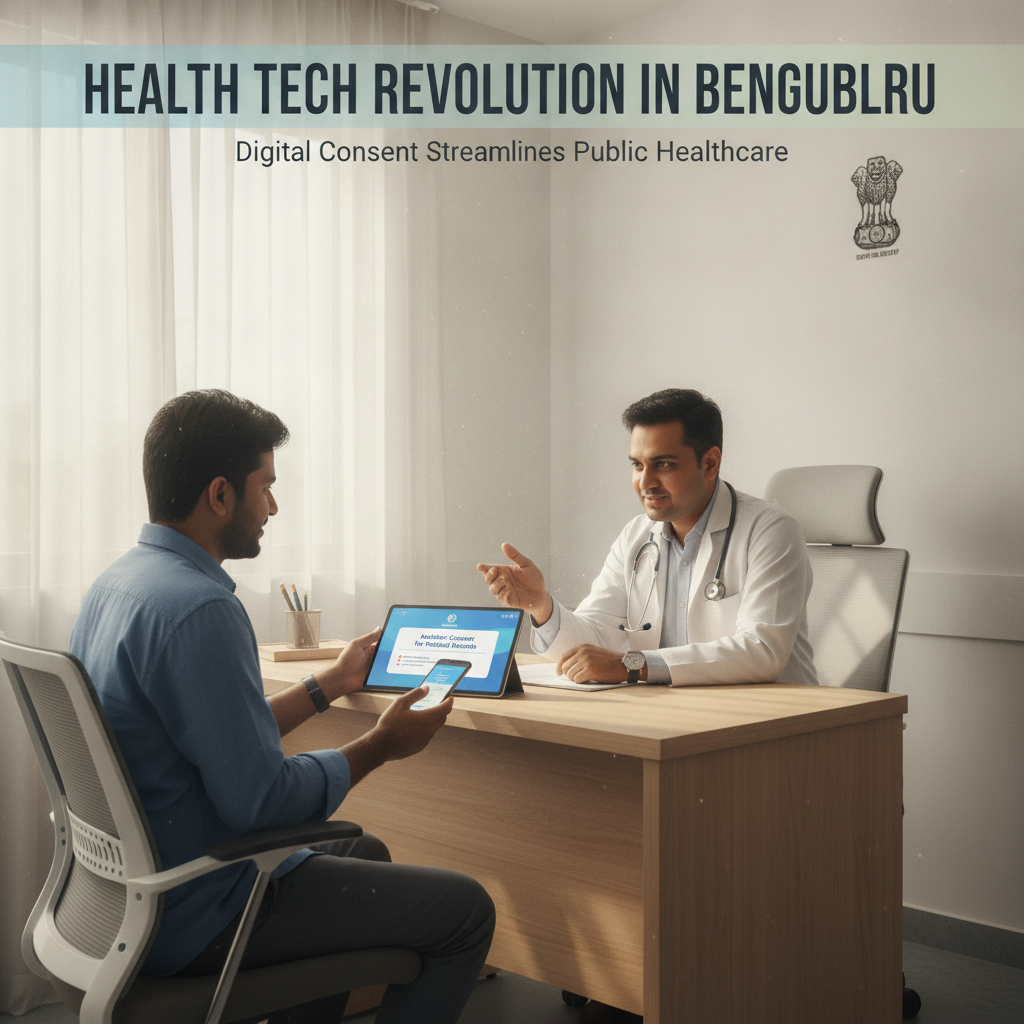
The Government of Karnataka is preparing to roll out a statewide digital health record system, enabling patients visiting government hospitals in Bengaluru and across the state to access their medical history via a One-Time Password (OTP). This initiative aims to eliminate the need for patients to carry physical prescriptions or medical records to healthcare facilities.
Under the new system, doctors at public healthcare facilities will be able to access a patient's complete medical history electronically. However, access will be granted only with the patient's consent, which must be authenticated through an OTP-based verification process.
The initiative combines Samasta, a mobile application used by frontline health workers, with Ayushman Bharat Digital Mission-compliant Hospital Management Systems (HMS) being introduced in government hospitals. Together, these platforms aim to create interoperable digital health records across the state's public healthcare network.
An official stated that the first round of HMS pilots was conducted between June 2025 and February of this year across Tumakuru, Udupi, Ballari, and Dharwad. A second pilot is currently underway in Vijayapura, Davanagere, and Mysuru, and is expected to wrap up in two months.
The state government plans to float tenders for the procurement of the system by October. Following the procurement process, implementation is scheduled to begin early next year, though officials estimate it will take about a year for hospitals to fully adopt the new system.
The digital ecosystem is designed to connect healthcare right from the village level. Frontline health workers, including Accredited Social Health Activists (ASHAs), Auxiliary Nurse Midwives (ANMs), and Community Health Officers (CHOs), will use the Samasta application during household visits to create digital family health profiles. These profiles will be mapped using the state's Kutumba database.
Based on age, gender, and programme eligibility, beneficiaries will be automatically linked to services such as maternal and child healthcare, immunisation, family planning, and screening for non-communicable diseases. Officials noted that the system will significantly reduce paperwork, allowing health workers to enter data once while reporting happens automatically in the background.