IISc Medical School CEO Calls for Doctors Who Bridge Medicine and Technology Gap

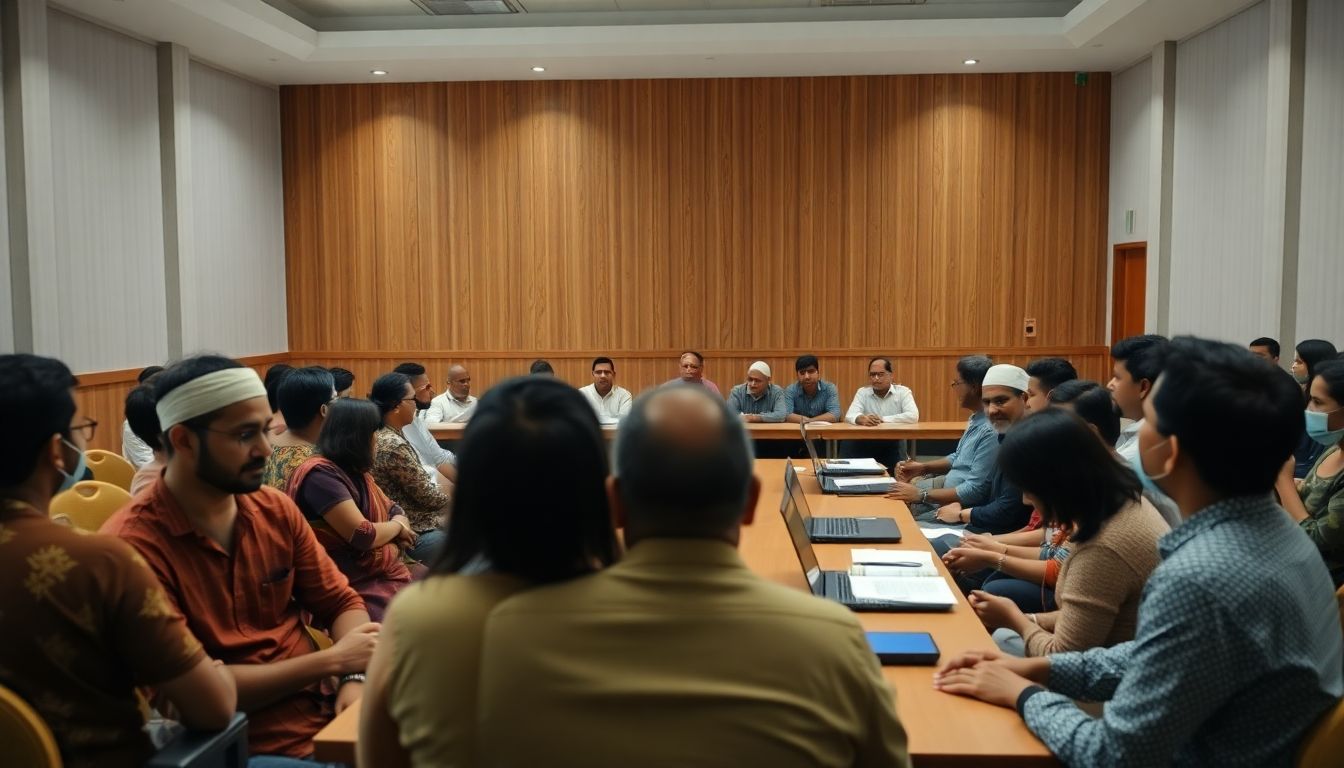
During the 15th Lifesciences & Healthcare Innovation Forum in Bengaluru, healthcare experts emphasized the growing need for a new generation of clinician-scientists who can bridge the gap between medicine and technology. Speaking at the event, leaders highlighted that the upcoming hospital and medical school at the Indian Institute of Science (IISc) in Bengaluru aims to train these interdisciplinary professionals to improve patient care.
The forum, organized by the Nasscom Centre of Excellence (CoE) for IoT & AI on Wednesday, focused on the integration of artificial intelligence (AI) in healthcare. Experts noted that while AI is transforming diagnosis, clinical documentation, and drug discovery, the technology must support doctors rather than replace them.
Dr. Uma Nambiar, CEO of the IISc Medical School Foundation, stated that significant gaps exist in the healthcare innovation ecosystem. She explained that these gaps require professionals who understand both medical practice and technological development.
According to Dr. Nambiar, doctors must be equipped to communicate healthcare challenges effectively to engineers and researchers. She noted that clinician-scientists are essential to bridge the gap between laboratory innovation and patient care.
Dr. Nambiar also emphasized that technology developers and engineers should be considered part of the healthcare ecosystem, as their products directly affect patient outcomes. She warned that if an imaging system, medical device, or AI algorithm fails, the responsibility extends beyond doctors and hospitals to the creators of those solutions.
Dr. Sujoy Kar, chief medical information officer and vice-president at Apollo Hospitals, discussed the importance of building trust in AI implementation. He stated that a trust pipeline must extend from algorithms to physicians, and from physicians to patients, for any AI solution to succeed.
Dr. Kar added that skepticism and resistance from doctors should be viewed as a positive force that helps refine how technological solutions are designed and implemented.