Western Ghats ESA Draft Notification Proposes Covering 1,449 Karnataka Villages
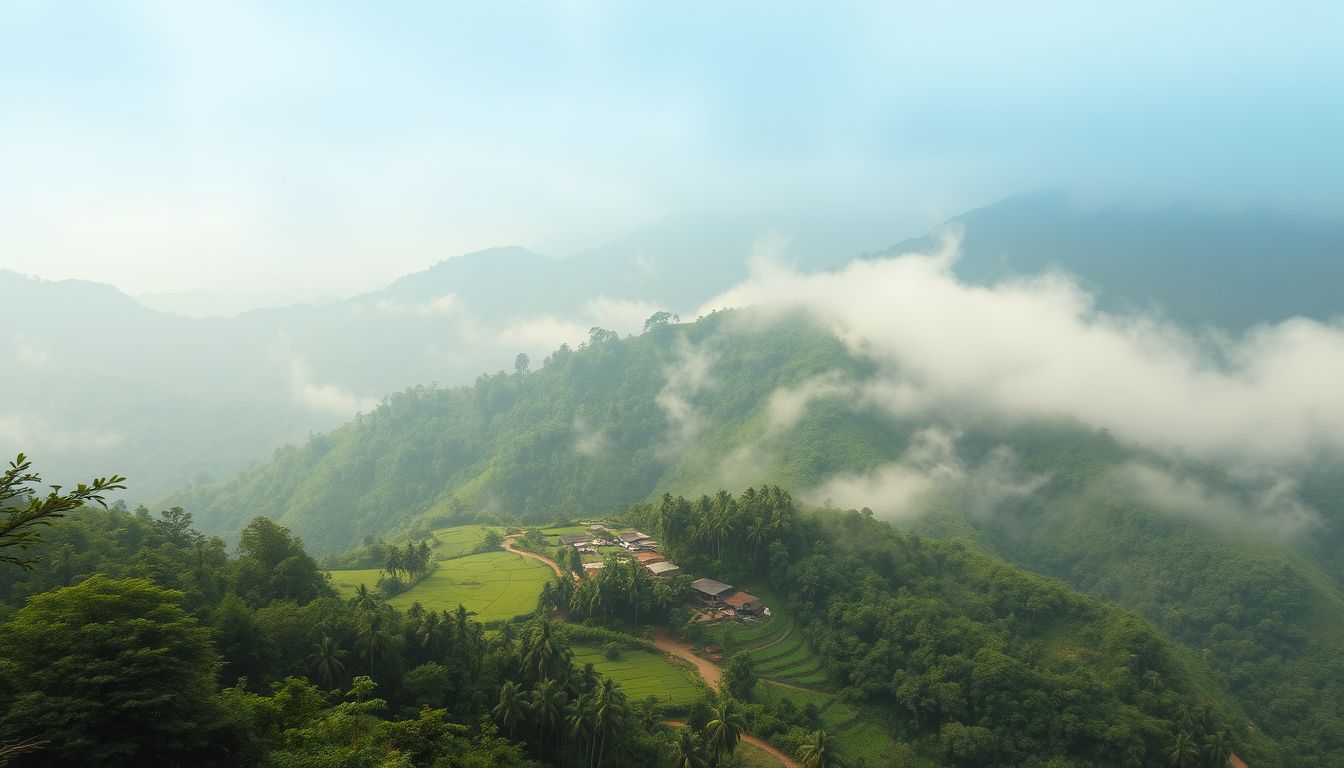
The central government's latest draft notification declaring parts of the Western Ghats as an Ecologically Sensitive Area (ESA) proposes bringing 20,668 square kilometres across 10 districts and 1,449 villages in Karnataka under the conservation framework. Karnataka is set to face the largest impact among the six Western Ghats states under the proposed demarcations.
The Karnataka state government has opposed the proposal, stating that the move could affect lakhs of residents across 33 taluks. The state maintains that these regions already receive adequate environmental protection under existing forest laws.
Under the proposed ESA framework, new mining, quarrying, stone crusher units, and sand mining will be completely banned. Existing operational mines and quarries located within the designated zone will be required to shut down within five years of the final notification being issued. The regulations will also prohibit the establishment of new thermal power plants as well as the setup or expansion of 'Red' category industries.
The draft notification allows certain regular and developmental activities to continue. Agriculture, horticulture, and the construction of houses on private land will be permitted alongside essential infrastructure including schools and hospitals. Hydroelectric projects may proceed subject to environmental impact assessments, while 'Orange' and 'White' category industries will be allowed to operate subject to compliance with environmental norms.
Despite these permissions, residents across the Malnad and Western Ghats belts have raised concerns that the regulations could disrupt plantation farming, road construction, drinking water projects, and overall local economic activity.
Supporters and environmental activists argue that heightened protection is necessary to preserve fragile ecosystems, halt deforestation, curb illegal mining, and prevent uncontrolled urbanisation. They maintain that the notification will not disrupt daily life if implemented properly.
The policy process began in 2011 with the Madhav Gadgil Committee, which initially proposed designating 1.29 lakh square kilometres as ecologically sensitive. The Kasturirangan Committee later scaled down the proposed area to 59,940 square kilometres. A dedicated ministry committee constituted in April 2022 continues to examine objections and representations submitted by the affected states.