UT Khader reviews monsoon disease control measures as Bengaluru COVID cases rise

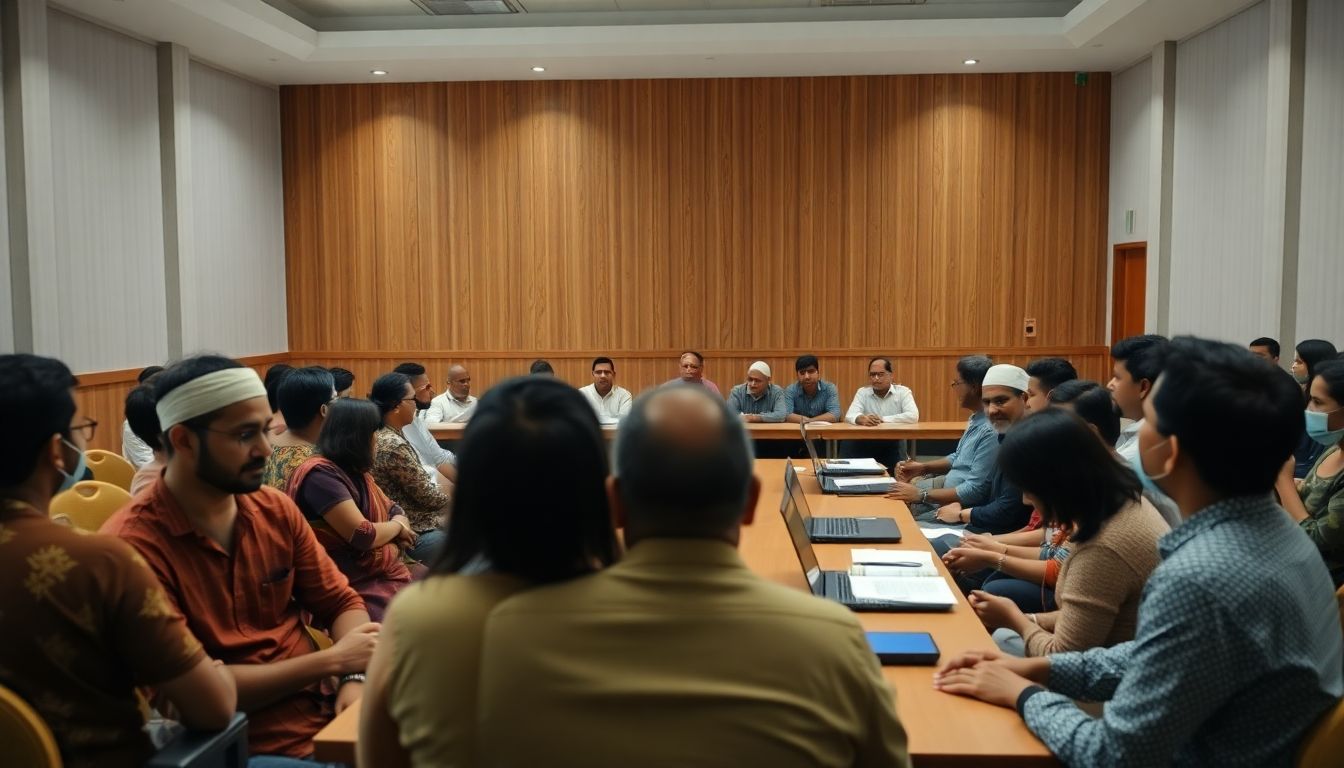
BENGALURU — Karnataka Health Minister UT Khader on Monday chaired a high-level review meeting in Bengaluru with district health officers and district surveillance officers from all 31 districts to address the rise of seasonal viral fevers, water-borne diseases, and COVID-19 during the monsoon season.
During the meeting, Khader reviewed reports submitted by the officials and directed them to intensify disease surveillance across the state. He emphasized the importance of timely reporting through the Integrated Health Information Platform (IHIP) and ordered the strengthening of rapid response teams (RRTs) to manage potential outbreaks.
Additionally, health department workers have been instructed to conduct door-to-door surveys to monitor and control the spread of communicable diseases. Minister Khader urged officials to promote preventive healthcare measures, including personal hygiene, vector control, and the consumption of safe drinking water.
Data shared by the Department of Health and Family Welfare Services highlighted that Bengaluru Urban district has been the most affected by recent COVID-19 infections. Out of 166 positive cases recorded across Karnataka between January 1 and July 17, 121 were from Bengaluru Urban, where 3,820 of the state's 4,500 total tests were conducted. No fatalities have been recorded from these cases.
The report also detailed a rise in influenza cases, with 2,056 cases registered in Karnataka up to July 17, of which 324 cases were recorded in the month of July alone.
Khader assured that the state is prepared to handle the health situation, stating that the health department has adequate vaccine and medicine stocks. He directed all districts to submit regular health reports to the state Health Emergency Operations Centre.
With the state experiencing ongoing rainfall, the health department issued an advisory suggesting residents avoid water stagnation, clean stored water regularly, conduct larval surveys, and use mosquito-control measures. The department also advised the public to consume only safe, potable, and chlorinated water, maintain proper hydration, and avoid eating outside food.