Ulsoor Lake Faces Sewage Inflow as Activists Question Inspection Gaps
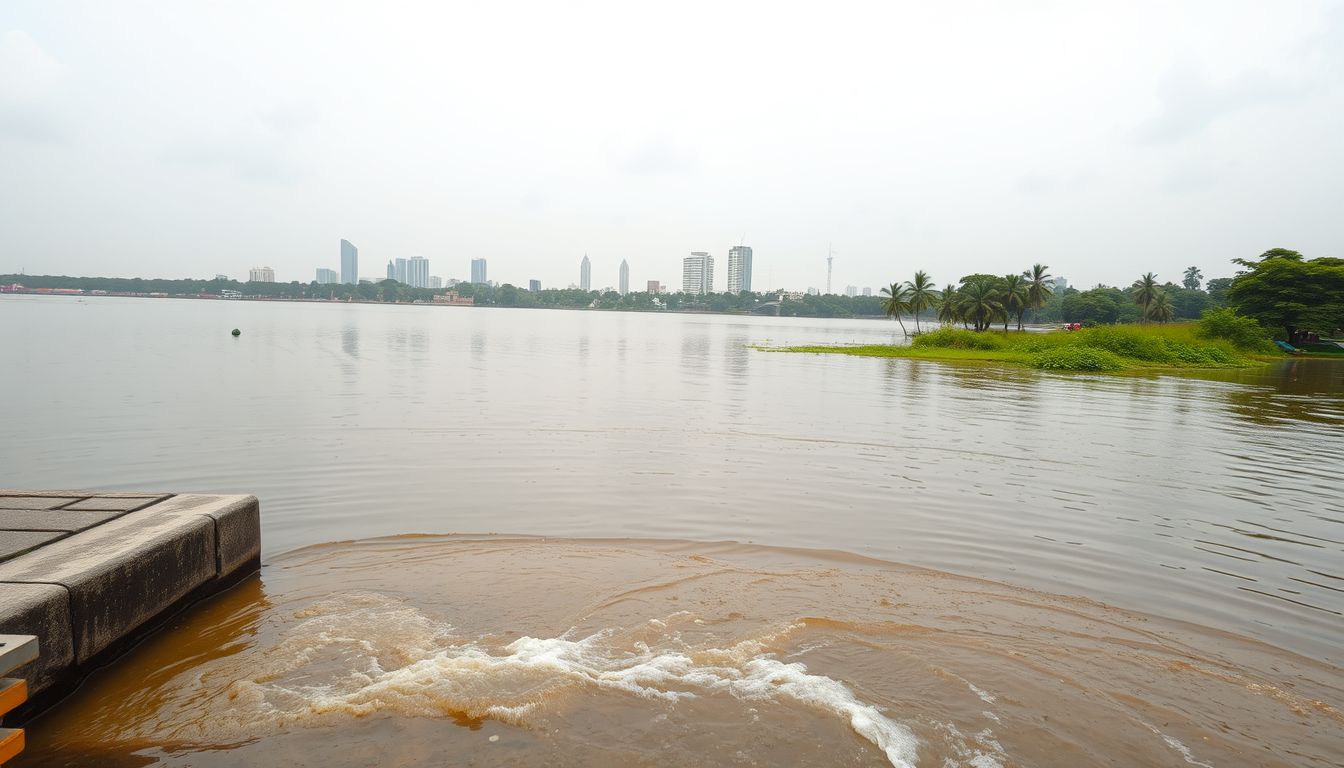
An inspection of 62 buildings and establishments in the Ulsoor Lake catchment area has revealed varied wastewater management practices, prompting environmental campaigners to question how millions of litres of sewage continue to enter the waterbody.
The inspection was conducted following a directive from the Additional Chief Secretary of the Urban Development Department, linked to an earlier National Green Tribunal case regarding fish deaths in Ulsoor Lake. Officials identified 62 properties within the lake's watershed to assess their sewage treatment mechanisms.
According to findings from the Karnataka State Pollution Control Board, 32 of the 62 inspected properties have installed sewage treatment plants and utilise treated water for secondary purposes. The remaining 28 properties do not operate on-site STPs but discharge wastewater directly into the Bangalore Water Supply and Sewerage Board sewer network with formal permission.
The 28 establishments without treatment plants comprise three software companies, four commercial buildings, three apartment complexes, seven hospitals, one hotel, eight industrial units, one rehabilitation centre, and one office building. A KSPCB official noted that these units fall below the built-up area thresholds mandated by the government for compulsory STP installation, allowing them to rely on the civic sewer network.
Under prevailing regulations in Bengaluru, STPs are compulsory for residential projects with more than 120 apartments and commercial developments with a built-up area of 2,000 square metres or more, depending on local regulations and sewer connectivity.
However, civic activists and lake conservationists have raised concerns over the scope of the review. They pointed out that major establishments in the catchment area, including Vidhana Soudha and other prominent commercial properties, require thorough oversight.
V Ramprasad, founder of Friends of Lakes, questioned the effectiveness of the exercise, asking where the estimated 10 million litres per day of sewage entering Ulsoor Lake originates if all catchment establishments are discharging lawfully into the sewer network.
Environmental experts have urged the KSPCB and BWSSB to trace the exact sources of pollution and examine the carrying capacity of the underground drainage network in central Bengaluru. Experts noted that peak-hour flows and monsoon rains frequently cause sewer overflows, and called for inspections to verify if rooftop rainwater lines are improperly connected to stormwater drains or the underground drainage network.