Two-Year-Old Donates Stem Cells at Narayana Health to Save Brother with Thalassemia
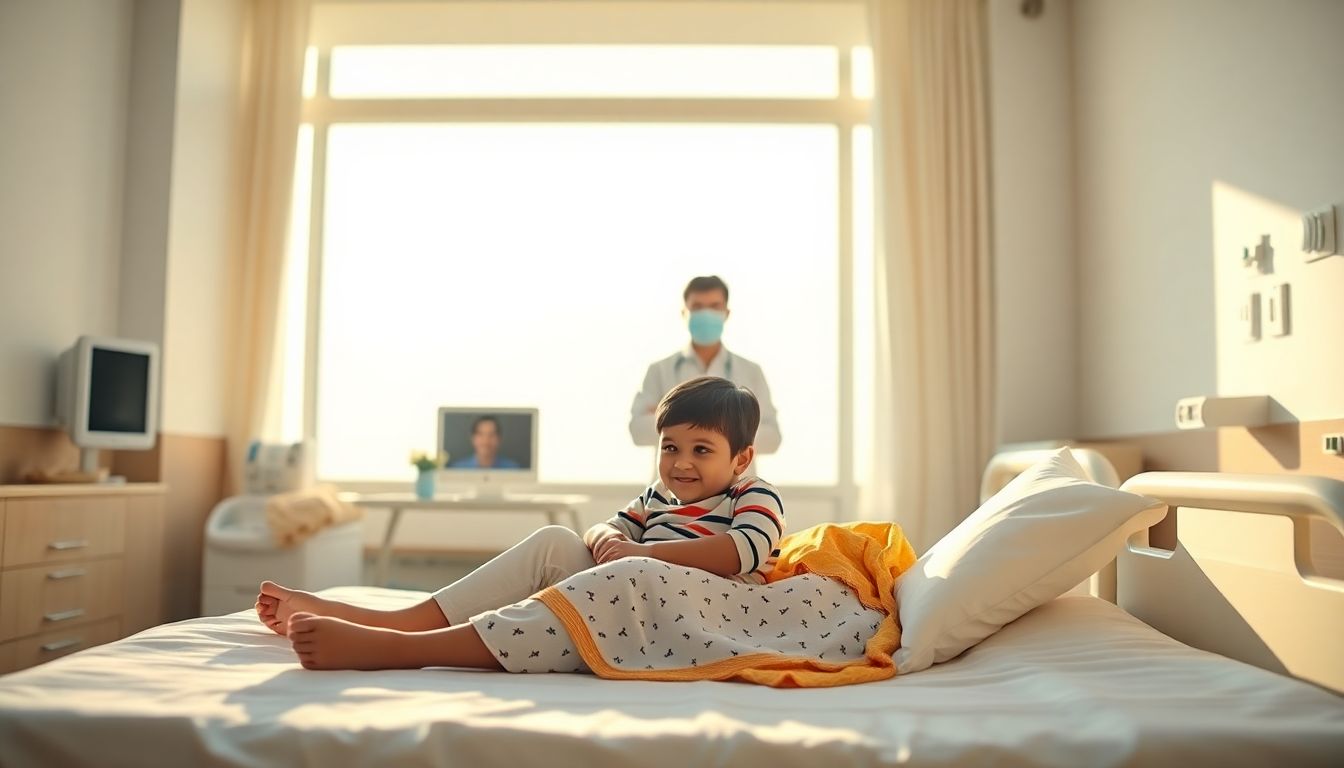
A two-year-old girl named Khushi Yadav has donated her blood stem cells to save her elder brother, Som Yadav, who was suffering from thalassemia major, during a successful procedure conducted at Narayana Health in Bengaluru. The transplant has allowed Som to recover from the condition and resume daily life, including attending school.
Som was first diagnosed with thalassemia major when he was five months old. His younger sister, Saumya, was later diagnosed with the same severe condition. Neither child initially had a full human leukocyte antigen (HLA) match within the family, leaving both dependent on ongoing blood transfusions. The family, from a small village in Korba district, Chhattisgarh, faced ongoing financial strain to secure monthly blood transfusions and medicines.
The family's prospects improved following the birth of their third child, Khushi, in 2021. The family underwent free HLA typing in Bengaluru through DKMS Foundation India at a screening camp organized by Narayana Health and KASH Foundation. Laboratory results confirmed that Khushi was a perfect 12/12 HLA match for Som.
In 2023, when Khushi was two years old, the blood stem cell donation and transplantation procedure was carried out at Narayana Health in Bengaluru. Som has since recovered from the disorder, moving beyond the regular transfusion cycle and returning to school in good health.
According to DKMS Foundation India, more than 10,000 children are estimated to be born with thalassemia major across India every year. The foundation works to support economically disadvantaged families in obtaining high-resolution HLA typing and accessing global registries when a related family donor cannot be found.
Patrick Paul, Executive Chairman of DKMS Foundation India, noted that the Yadav siblings' case underscores the systemic shortage of compatible donors. He stated that not every patient can locate a donor within their family and pointed out that India's genetic diversity makes finding unrelated matches challenging, particularly because only 0.09% of Indians in the relevant age group are registered as blood stem cell donors.