Travel Operators Urge Karnataka to Halt Greater Bengaluru Area Parking Rules
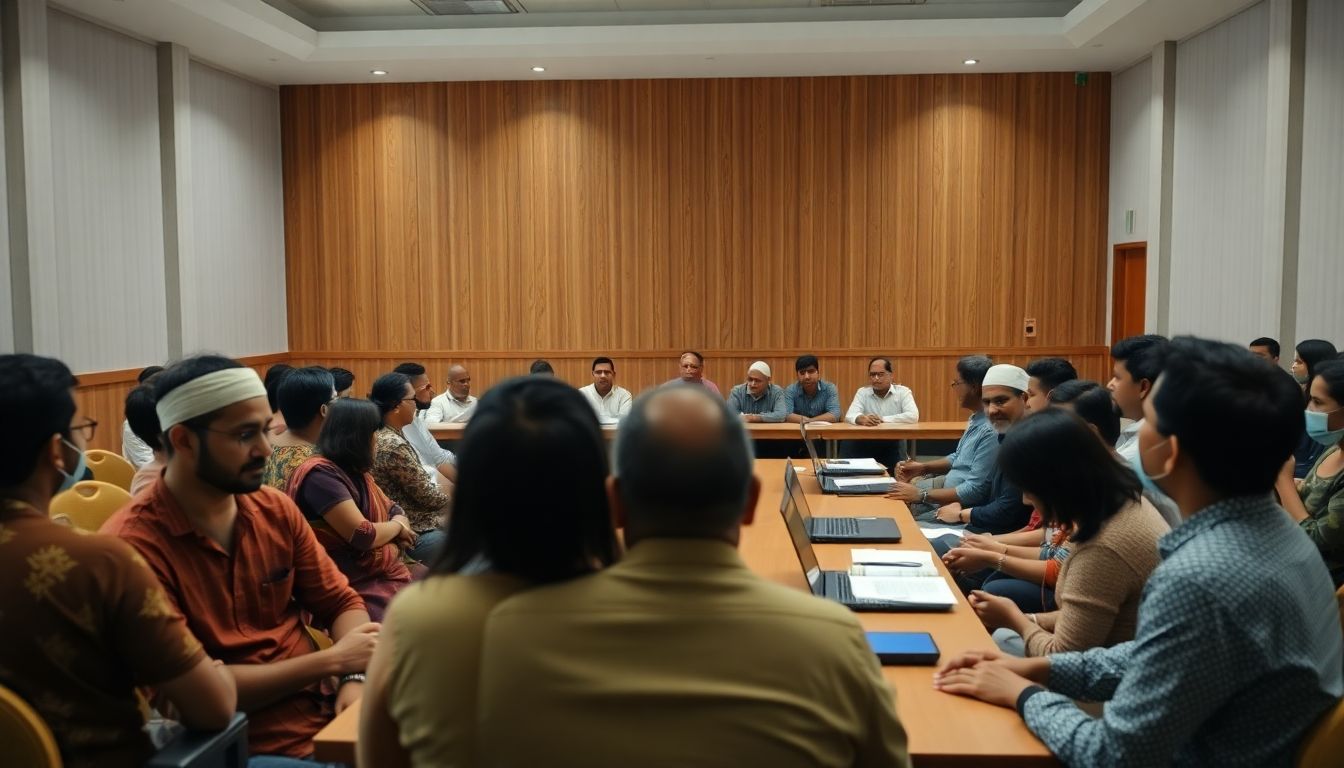
The Karnataka State Travel Operators Association (KSTOA) has urged the Karnataka government to keep the proposed Greater Bengaluru Area (Parking) Rules, 2026, and the accompanying parking fee regime in abeyance until adequate parking and urban mobility infrastructure is established across Bengaluru.
In a formal representation submitted to the Additional Chief Secretary of the Urban Development Department and the Federation of Karnataka Chambers of Commerce and Industry (FKCCI), the association stated that while it supports organised parking, pedestrian safety, and scientific mobility management, it opposes the introduction of additional fees, permits, restrictions, and penalties before basic facilities are created.
KSTOA stressed that the ongoing shortage of civic infrastructure should not lead to an extra financial burden on citizens, businesses, and transport operators. The association noted that while Bengaluru has experienced rapid growth in population, vehicle ownership, commercial activity, employment, and tourism, its road network, public parking spaces, and mass-transit systems have not expanded at a proportionate pace.
The association called on the government to prioritise setting up multi-level car parking facilities, expanding road networks, enhancing Metro and suburban rail connectivity, improving BMTC bus operations, and providing feeder services for last-mile connectivity. It also demanded strict enforcement of existing building regulations to prevent sanctioned parking areas, such as basements and setbacks in commercial and residential buildings, from being illegally converted into commercial spaces.
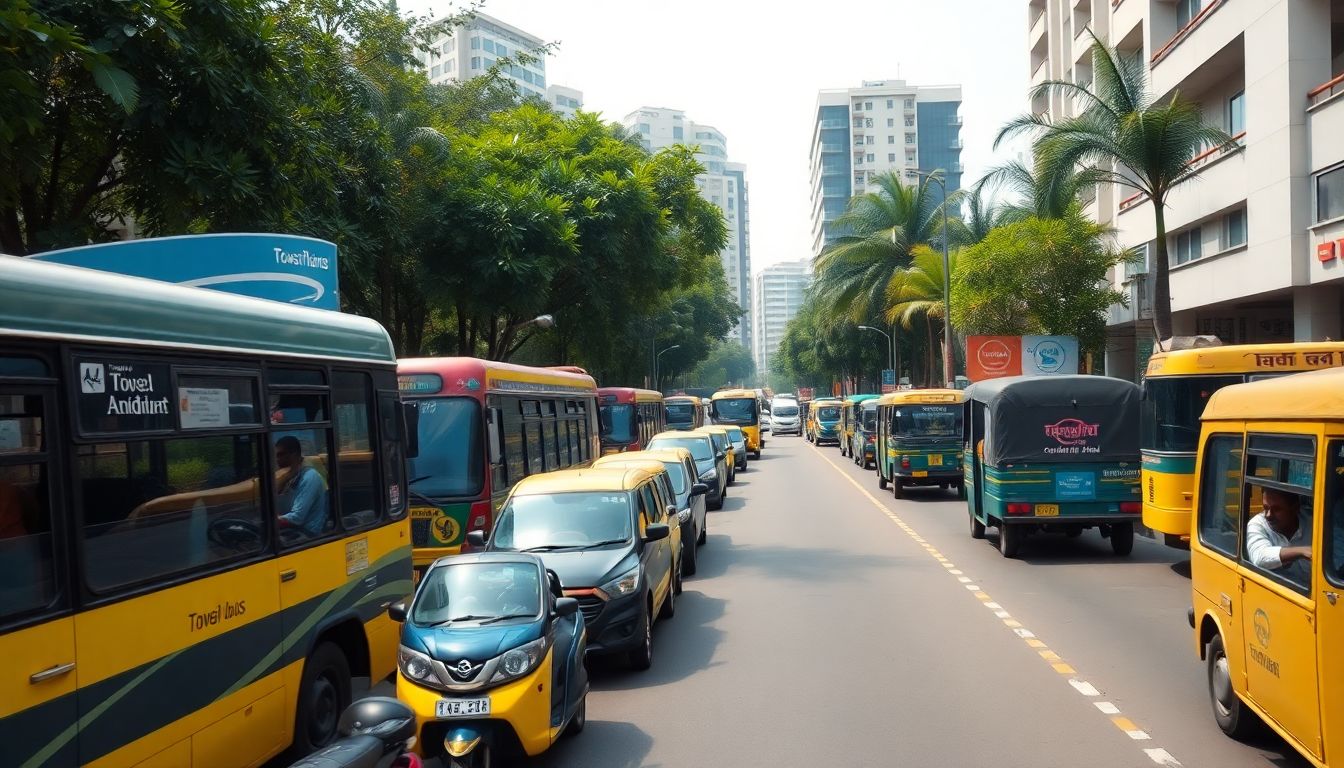
Furthermore, KSTOA argued that footpaths must remain exclusively for pedestrians while scientifically designated parking and stopping spots are created for vehicles. It highlighted that commercial and public service vehicles—including taxis, maxi cabs, tourist vehicles, employee transport vehicles, contract carriages, and buses—should not be treated like private personal vehicles or penalised when designated pick-up, drop-off, and waiting bays are lacking.
The association noted that approximately 50,000 buses across various categories, including public transport, private, school, employee transport, and inter-city services, operate within and through the city. KSTOA President and FKCCI Director K Radhakrishna Holla urged the state government and requested the FKCCI President to intervene to ensure mobility infrastructure is fully developed before new parking fees and regulations are enforced.