Three AI Solutions Win Flipkart-BTP Gridlock Hackathon 2.0 to Tackle Traffic
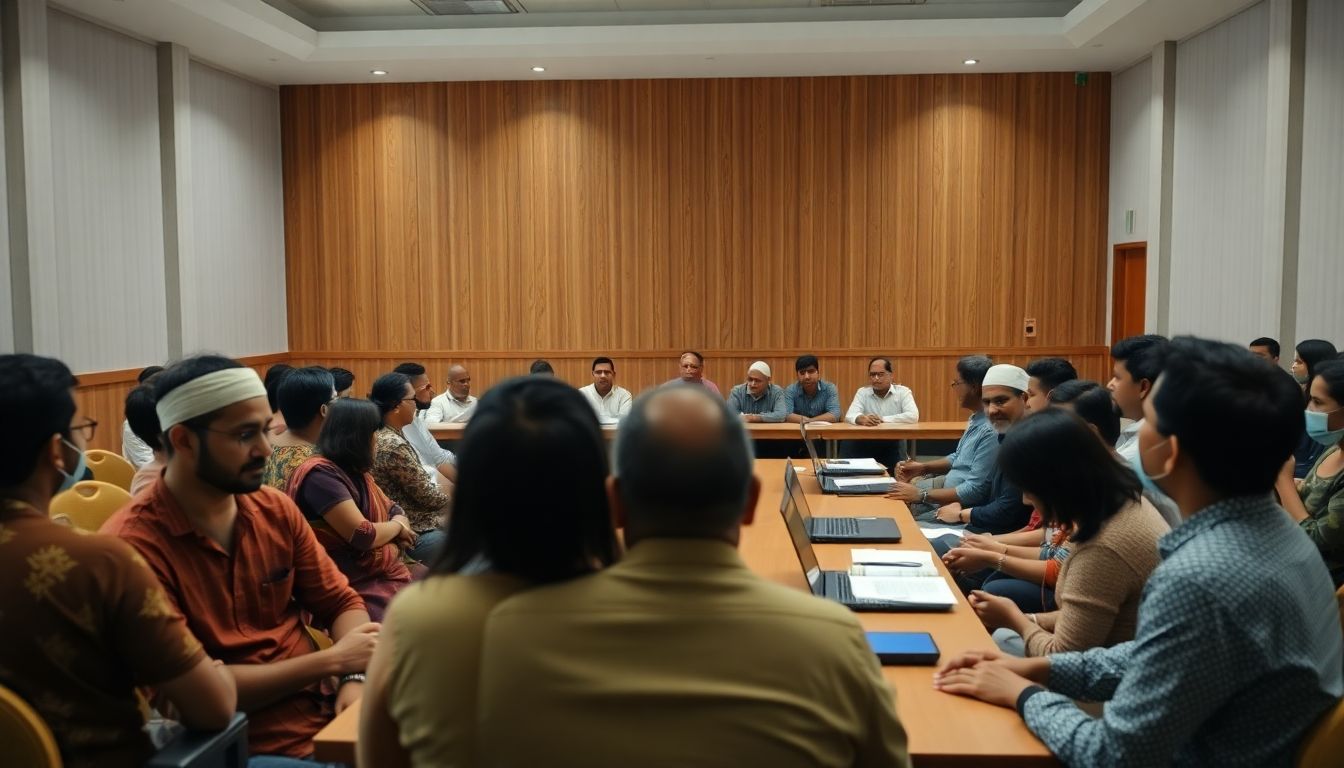
Three artificial intelligence-based solutions designed to predict traffic congestion, streamline police deployment, and address parking-related bottlenecks have won top honours at Gridlock Hackathon 2.0 in Bengaluru. The competition was organised by e-commerce company Flipkart in collaboration with the Bengaluru Traffic Police.
The finale of the event was held at Flipkart’s Bengaluru headquarters in the presence of Bengaluru City Police Commissioner Seemant Kumar Singh. Conducted in association with MapmyIndia, Arcadis, and HackerEarth, the hackathon drew 33,600 participants from across the country, resulting in the development of more than 1,100 AI and machine-learning prototypes.
Participants built their models using anonymised, real-world city traffic datasets provided through the traffic police department's ASTraM (Actionable Intelligence for Sustainable Traffic Management) platform.
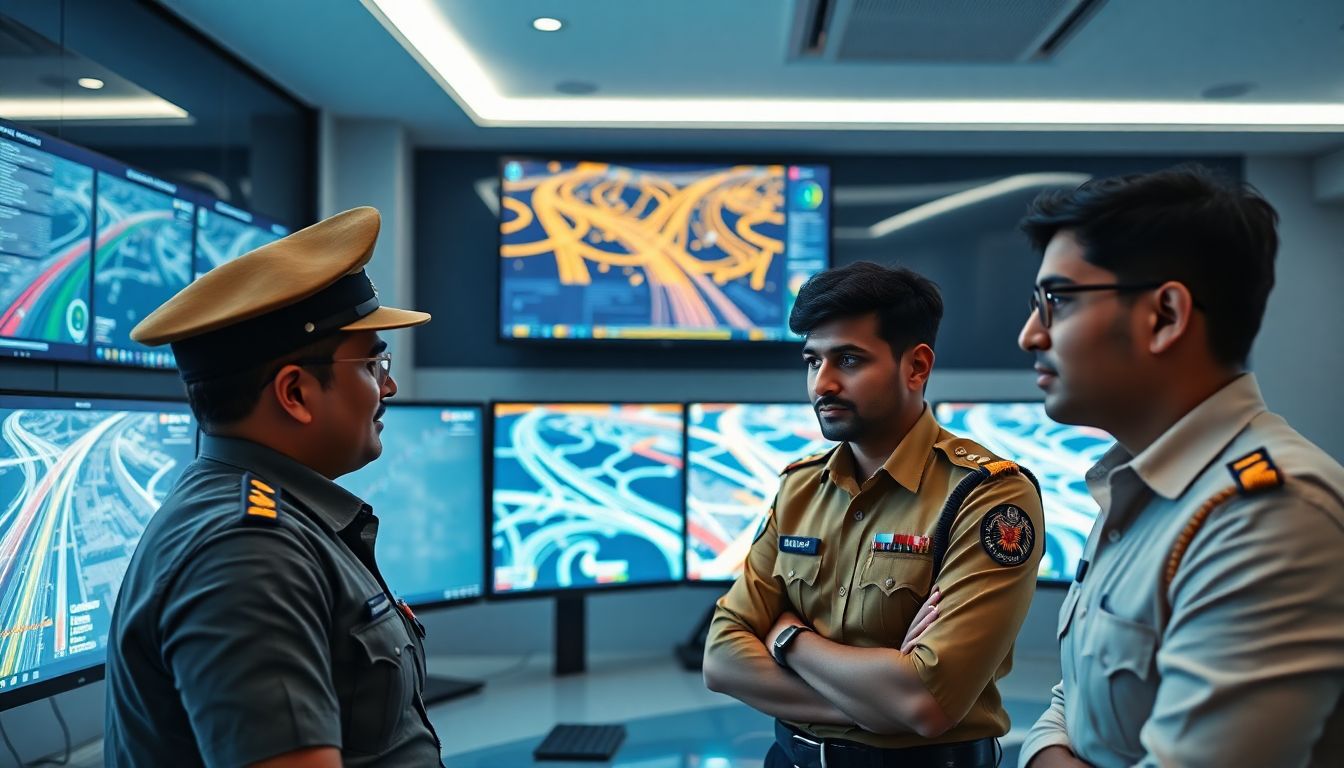
The first-place prize went to Gridlock Oracle, a system that relies on a Hawkes Process model to forecast how an isolated traffic incident can cause cascading gridlock across Bengaluru. The tool also features a live control-room dashboard built to allow traffic police officers to deploy personnel and resources before vehicular jams can spread.
Securing second place was PRAHAR, an acronym for Predictive Resource Allocation for High-Impact Area Response. The platform uses multiple machine-learning models to calculate congestion severity, junction risks, incident clearance time, and domino effects. It automatically recommends operational steps, including the deployment of police personnel, barricades, vehicle diversion routes, and dispatch stations.
Third place was awarded to ParkSight, or Parking-Induced Congestion Intelligence. The project analysed historical parking violation records to pinpoint high-risk congestion zones and enforcement hotspots, proposing interventions such as patrol route optimisation and predictive monitoring.
This event marked the second edition of the initiative following an inaugural hackathon held in 2017. The winning traffic-signal management solution from that first edition was subsequently tested on the ground at Silk Board Junction, where trial data indicated a potential reduction of approximately 17 per cent in commuter waiting time.