Swachagraha Kalika Kendra Drop-Box Model Diverts 600 kg Waste Monthly
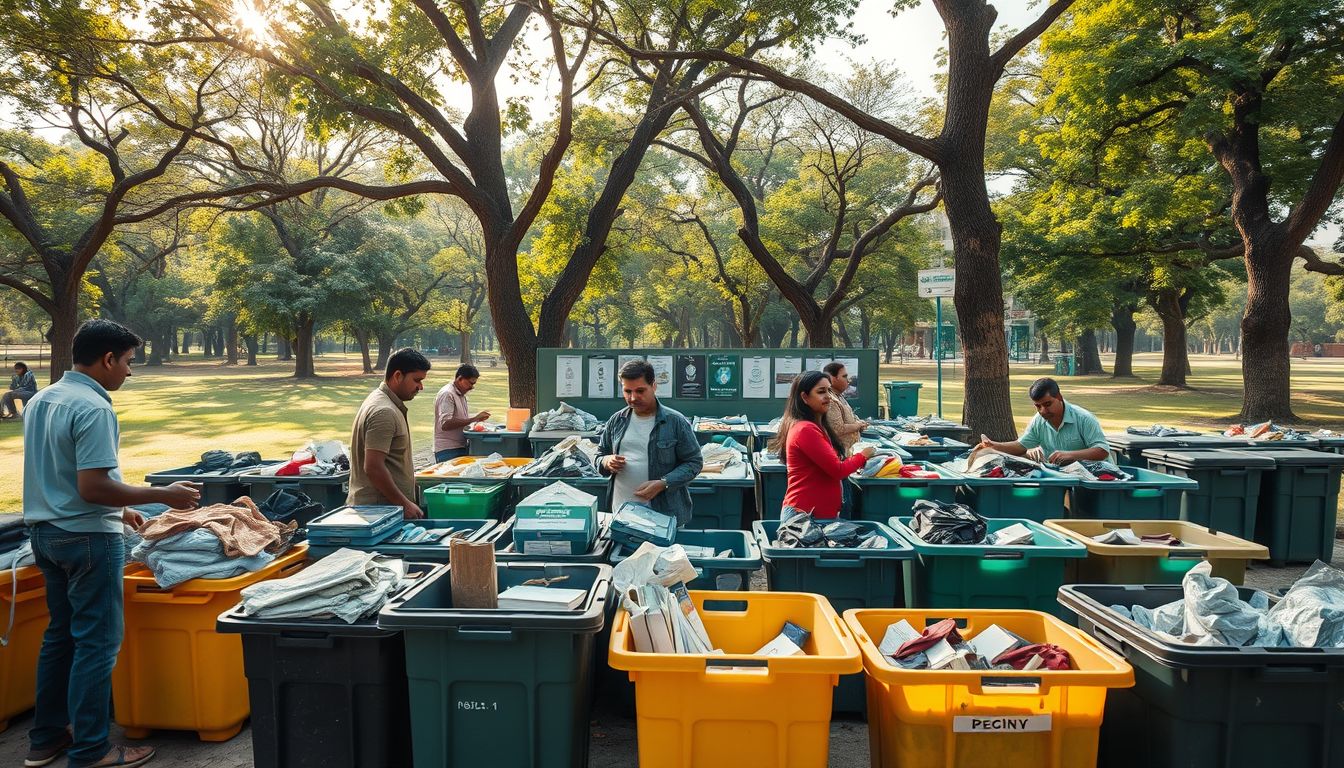
Swachagraha Kalika Kendra in Bengaluru has established a community-level monitored drop-box system that collects around 600 kilograms of reusable and recyclable materials every month to prevent them from becoming contaminated in regular garbage streams.
The initiative, which has been running for three years, initially started with dedicated collection boxes for clothes and electronic waste. It has since expanded to take in books, toys, slippers, shoes, blouse pieces, clean and dry plastic, and clean glass bottles.
According to composting consultant Vasuki Iyengar, textiles make up nearly 70 percent of the total monthly collection. Iyengar noted that when these items are mixed into standard garbage collection vehicles, they get soiled and become unfit for recovery, whereas segregation at source allows them to be reused or recycled cleanly.
Collected materials are directed to partner organizations and recovery facilities. The HSR Citizens Forum, a voluntary group, takes usable clothes and blouse pieces to stitch them into floor mats, aprons, and cloth bags, which are then distributed to people in need.
Fabrics and materials that cannot be reused locally are transferred to specialized textile recovery facilities, including Saahas Zero Waste at Gottigere and Hasiru Dala in the KR Puram-Hoskote belt. Footwear, clean plastic, and glass bottles are sent to material recovery facilities, while Go Green Box receives collected books for paper recycling.
Iyengar recommended that apartment complexes, schools, colleges, villa communities, and resident welfare associations set up similar monitored drop boxes to manage non-garbage recyclables. He advised collecting materials once or twice a month with supervision, noting that unmonitored around-the-clock bins risk improper dumping and contamination.
The project has also drawn inquiries from residents in Bengaluru North seeking drop-off points for their segregated materials. Organizers stated that the overarching goal is to move past basic wet and dry waste division and ensure clean materials consistently reach recovery channels.