Surge in Distressed Darters Trapped in Lake Waste Across Bengaluru
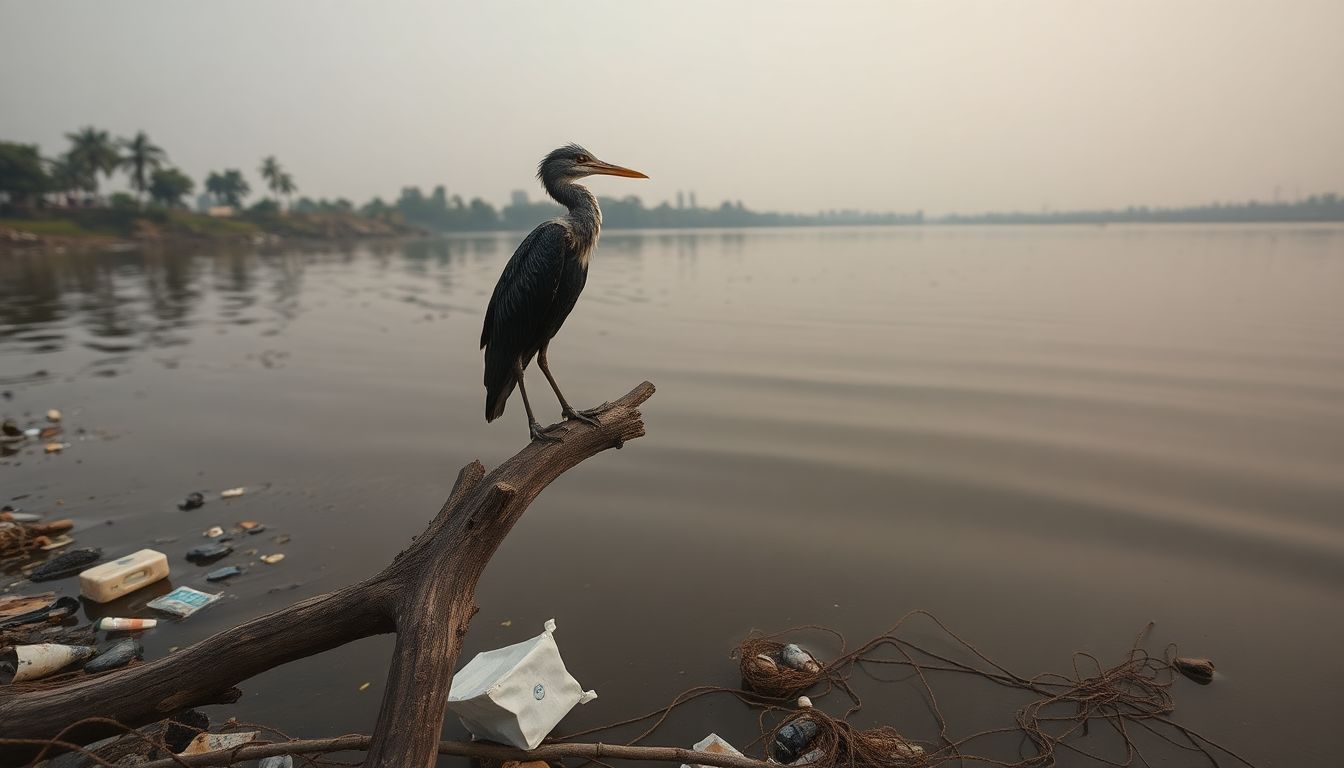
Discarded trash and packaging waste across Bengaluru water bodies, including Doddanekundi Lake, have led to a sharp surge in distress among Oriental darters whose beaks are getting trapped in debris, according to local birdwatchers and wildlife rescuers.
The Avian and Reptile Rehabilitation Centre (ARRC) in Horamavu reported that it is now handling at least one distress case every week, compared to just a couple of cases per year previously. Sightings of distressed darters have been recorded across at least 10 lakes in the city, including Jakkur, Yelahanka, Rachenahalli, Hesarghatta, Sampengahalli, Lalbagh, and Chelkere.
Renuka Selvamani, a birder and bird photographer who frequents Doddanekundi Lake, noted that the Indian darter—also known as the snakebird—is particularly vulnerable because of its long, slender neck and spear-like beak used to hunt fish. Selvamani observed three birds whose beaks were tied shut by waste, including mesh nets used to pack onions, leaving the birds unable to hunt and causing them to starve.
According to Jayanthi Kallam, Executive Director of ARRC, the most hazardous materials found entangling the birds are plastic wrappers, bags, discarded fishing nets, and brightly coloured puja cloth that attracts the birds. Unlike raptors, darters cannot use their feet to clean their beaks, making it nearly impossible for them to free themselves once entangled.
Rescue operations remain difficult because the darters are flighted birds. While ARRC deploys a dedicated rescue team using motorised boats, drone tracking, and binoculars, approaching the birds too early often scares them off. As a result, birds are typically in an extremely weak and emaciated condition by the time they are captured for treatment.
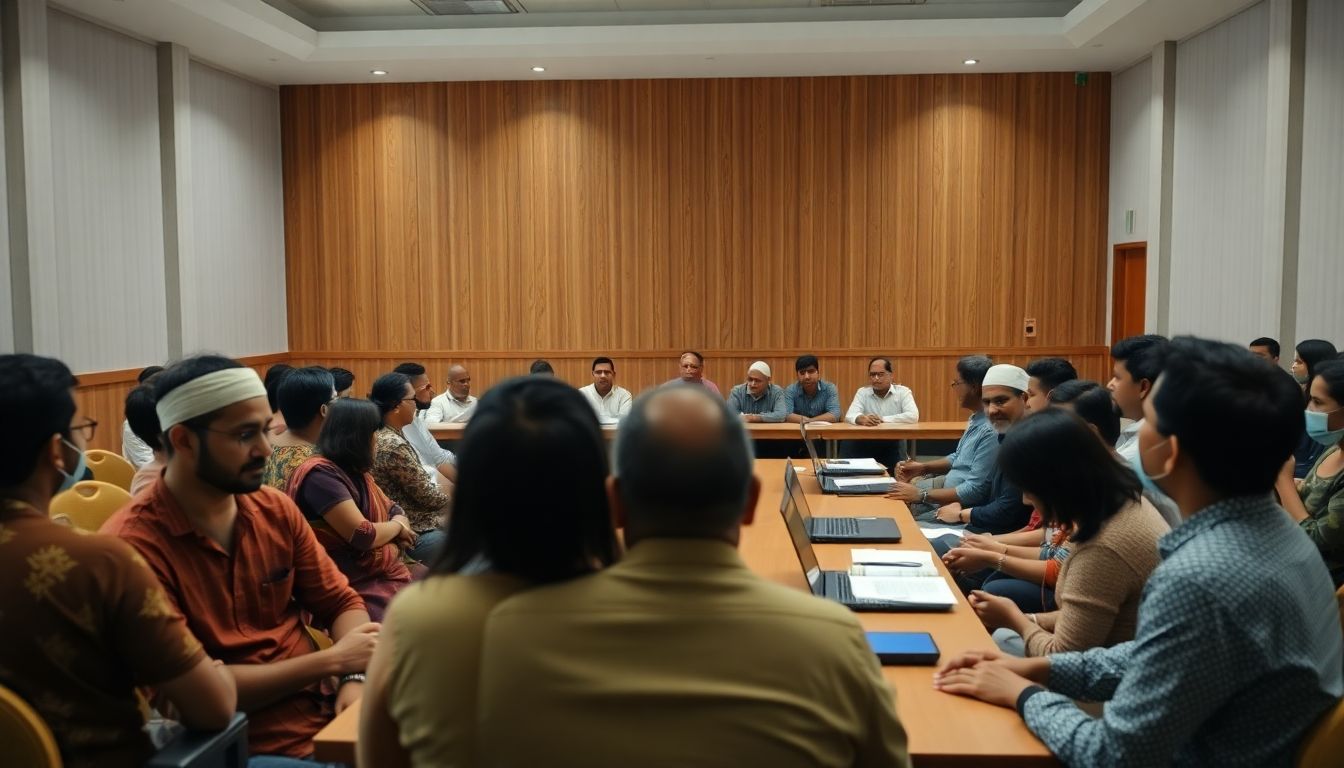
To address the issue, local birdwatchers are organising a public awareness initiative. Praveen, an avid city birder, said he is currently in discussions with local nature groups to secure permissions for a poster campaign highlighting the causes of the entanglements and practical solutions to prevent waste dumping in lake habitats.