Subroto Bagchi to Head Karnataka Skill Vision Group, Aims to Modernise ITIs
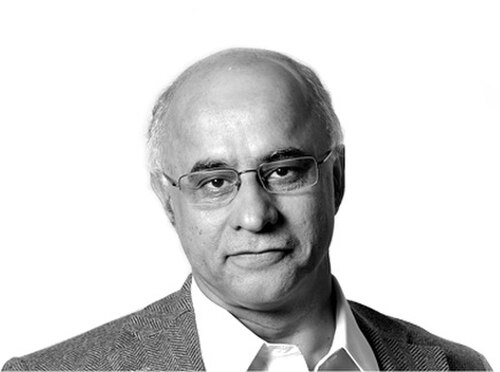
Mindtree co-founder Subroto Bagchi, recently appointed chairman of Karnataka's newly formed Vision Group for Skill Development, has outlined a roadmap to connect Bengaluru's technology ecosystem with Industrial Training Institutes and polytechnics across the state, including towns such as Hoskote and Hubballi. The Vision Group, constituted under the Karnataka State Skill Policy 2025-32, brings together representatives from industry, academia, civil society, and government to reform technical and vocational education.
Bagchi noted that Karnataka's prominent reputation in information technology, biotechnology, and unicorn startups has overshadowed the less glamorous institutions that train the majority of its workforce. He pointed out that ITIs, polytechnics, and short-term skilling programmes catering to youth from the bottom of the pyramid have remained largely invisible. The goal, he said, is to leverage the formula behind the state's technology sector to make skill development aspirational and take that momentum beyond the capital.
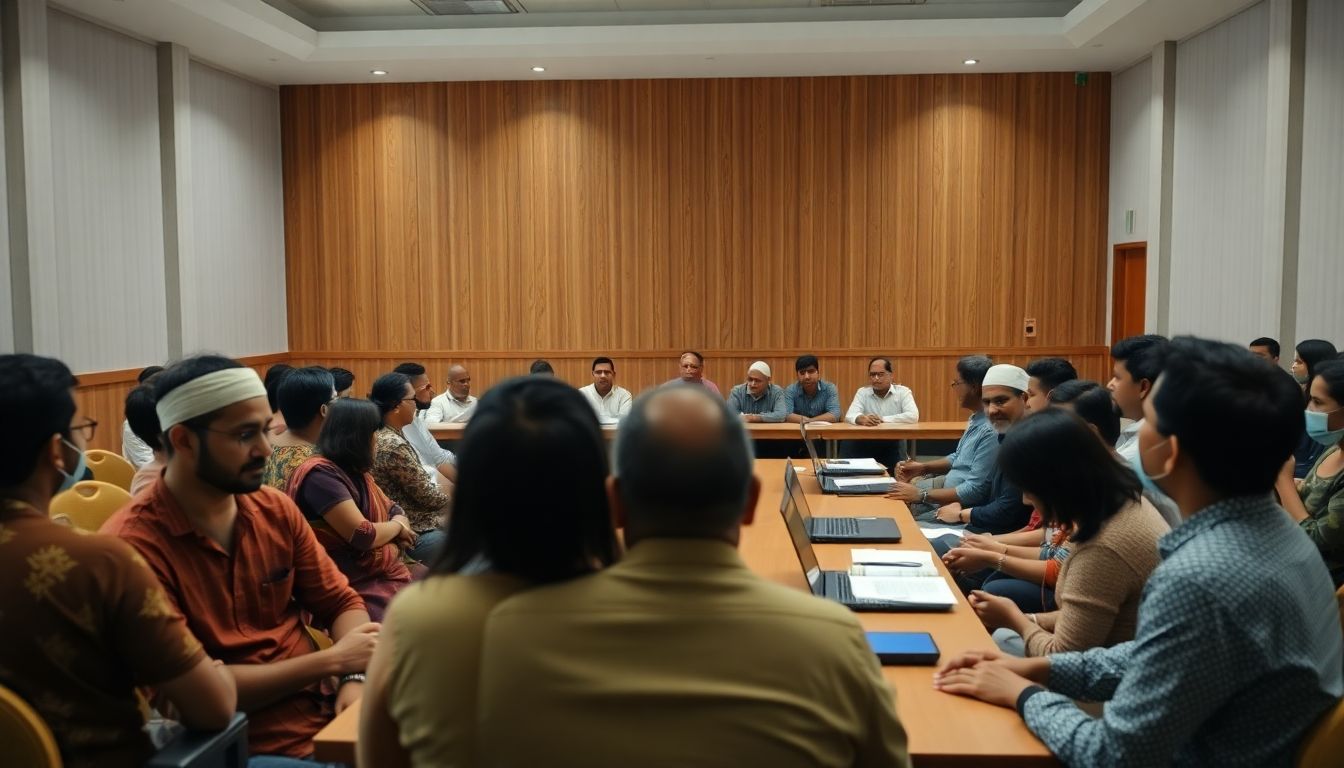
Describing the group's first-year agenda, Bagchi said the panel must understand ground realities by listening directly to communities across the state rather than functioning as an aloof advisory council. Members plan to travel across Karnataka, suspend preconceived notions, and consult local stakeholders before proposing policy measures. He emphasised that skill development represents human transformation at scale and requires a dedicated vision community to oversee long-term implementation of the state policy.
Addressing the relationship between traditional sectors such as manufacturing, construction, and agriculture and emerging fields like artificial intelligence, green energy, and semiconductors, Bagchi rejected the idea of treating them as separate tracks. He stated that advanced manufacturing cannot function without high-calibre technicians, modern construction relies on competent crane operators, and future farming will require drone operators for precision spraying. He added that the semiconductor sector will succeed only when integrated with rural economic activity.
Bagchi also highlighted structural hurdles, observing that more than 90 per cent of India's economy remains informal and driven by labour arbitrage. He noted that skilled technicians are frequently dismissed as mere labourers, while high-school students often lack basic awareness of ITIs and polytechnics operating within their own districts.
To tackle regional disparities, Bagchi said the Vision Group will concentrate heavily on areas including Chikkamagaluru, Channapatna, Hubballi, and Hoskote. Emphasising that inclusion is vital, he pointed out that women's formal wage participation remains below 25 per cent, one in six Indians lives with a disability, and two-thirds of citizens under 30 live in rural areas. Bagchi also noted that rapid advances in artificial intelligence offer Karnataka a significant opportunity to embed AI-first training across all vocational skills if the state moves quickly.