Study Finds Over Half of 611 Bengaluru Housing Projects Face Water Risks
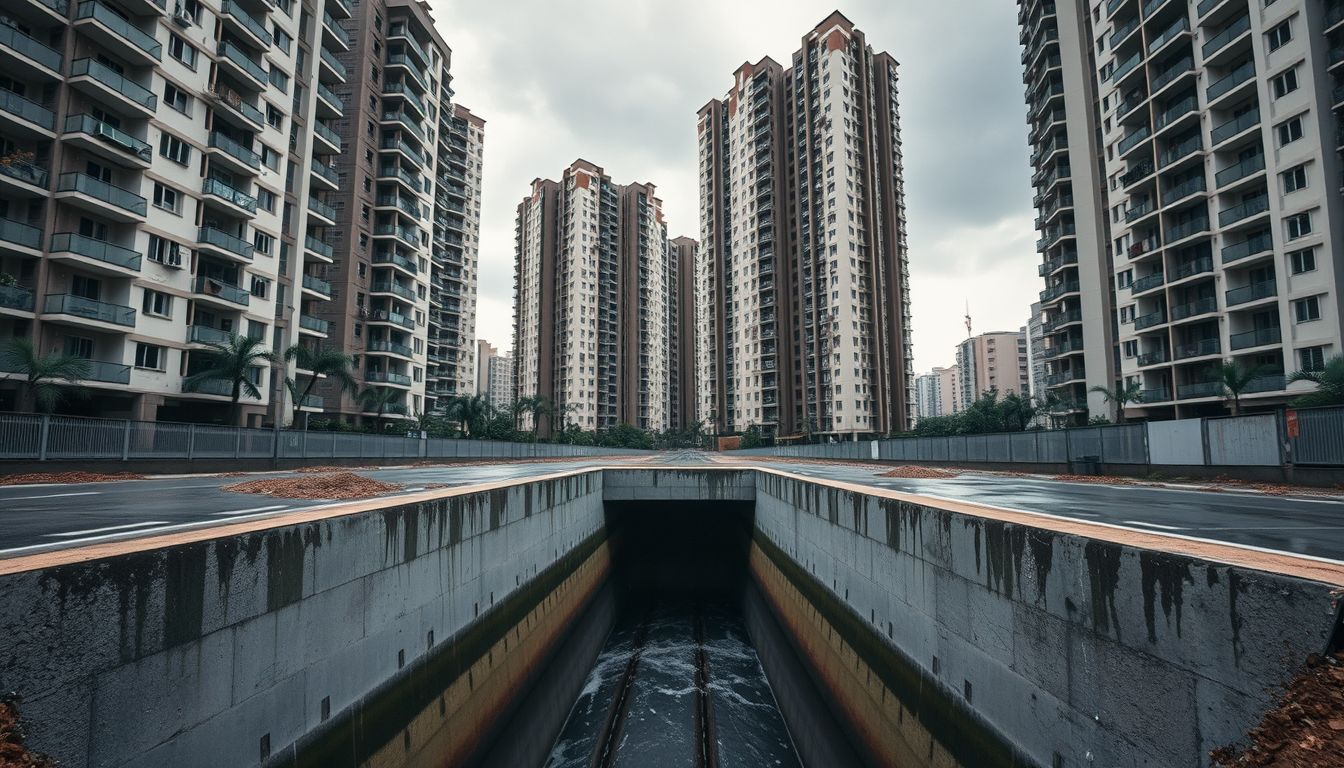
More than half of recently launched residential projects in Bengaluru carry water-related risks, according to an analysis of 611 RERA-approved properties by Propsoch. The review covered 69 micro-markets across the city, spanning established inner-ring neighbourhoods such as Koramangala, Indiranagar, and Jayanagar, alongside major growth corridors in the east, north, south, and west.
The findings revealed that 45 per cent of the surveyed properties sit directly on or immediately beside a stormwater drain, locally known as a nala. These drainage lines comprise 3.11 per cent primary, 12.60 per cent secondary, and 29.30 per cent tertiary nalas. Additionally, 8.2 per cent of the projects are located on low-lying land prone to severe waterlogging during heavy rainfall.
According to the analysis, these vulnerabilities frequently remain invisible to homebuyers visiting project sites during the dry season between October and May. On sanctioned master plans, natural drains are sometimes labeled as landscaped water features or natural streams, masking their function as stormwater channels during heavy monsoon downpours.
Proximity to poorly maintained drainage networks is linked to seasonal waterlogging, structural stress on foundations, mosquito breeding, and slower property resale. While a properly engineered drain with adequate setbacks does not automatically cause issues, the study noted that property buyers often lack clear access to drainage data before committing to purchase agreements.
Ashish Acharya, Founder and Chief Executive Officer of Propsoch, noted that while buyers examine prices, floor plans, and carpet areas closely, few are equipped to evaluate ground conditions and flood vulnerability prior to signing agreements.
Civic and hydrological experts have urged buyers to conduct thorough due diligence regarding site hydrology. Dr. Shubha Avinash, Chief Hydrological Modeller at the Karnataka State Natural Disaster Monitoring Centre (KSNDMC), stated that developers typically do not provide flood data, making it essential for buyers to verify proximity to water bodies and stormwater networks. The KSNDMC plans to release data identifying city areas vulnerable to waterlogging.
Former KSNDMC director GS Srinivas Reddy also advised prospective buyers in layouts near water bodies to keep ground floors designated for parking and ensure local drains remain unobstructed by garbage and construction debris.