Study Finds 110 Wild Mushroom Species Across Bengaluru Green Spaces
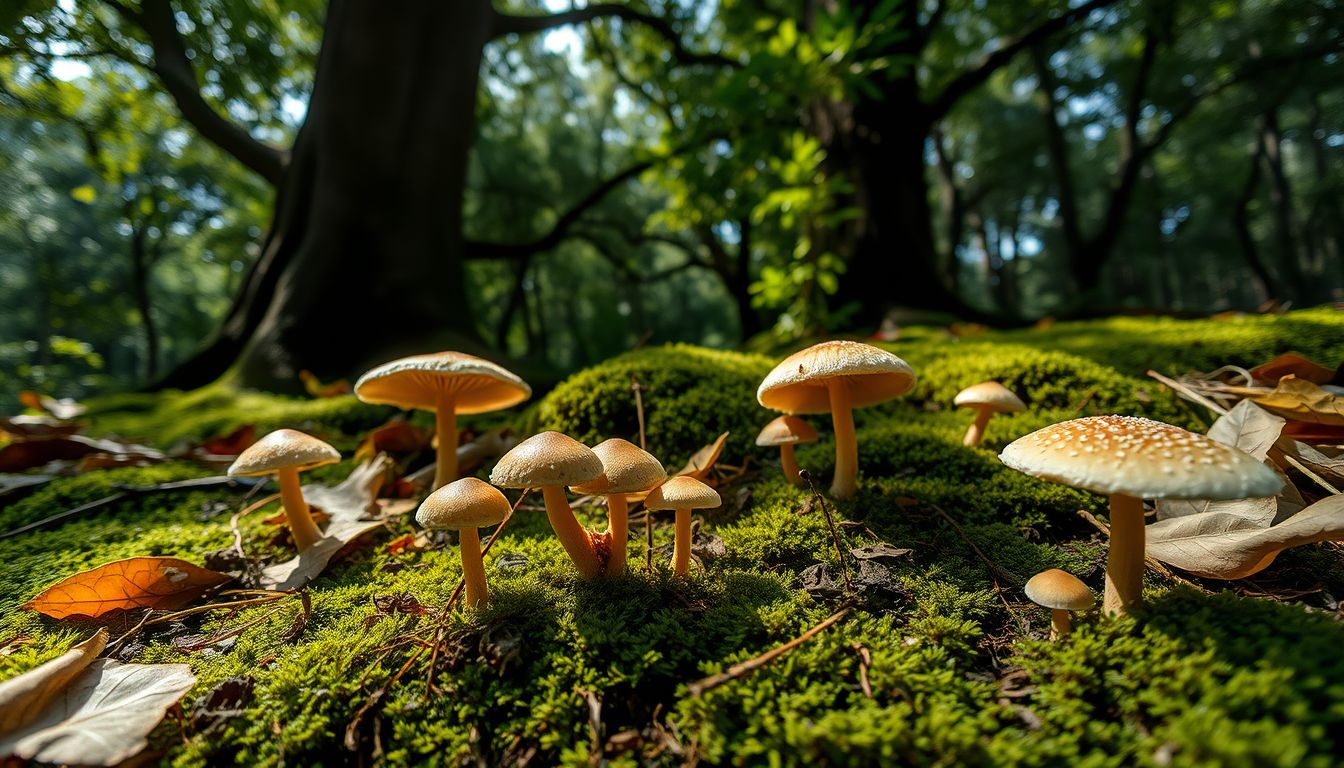
A comprehensive study surveying wild mushrooms across Bengaluru's urban, peri-urban, and rural landscapes has identified 110 distinct fungal species, revealing unexpected biodiversity across the city's green pockets, while heavily built-up areas like Jayanagar recorded just a single species.
Conducted between September 2022 and July 2025, the study collected 131 mushroom specimens from 42 stations across Bengaluru Urban and Rural districts. The research was authored by Tejashwini Krishna and Bharath Kumar S, research scholars from St Joseph’s University, along with Dr Praveen Kumar Nagadesi, Assistant Professor in the Department of Botany at the university's School of Life Sciences.
The findings documented 70 species in urban areas and 61 in rural areas. Among the 110 identified species, nine were recorded for the first time in India, including Lycoperdon lahoreense, Termitomyces umkowaan, Candolleomyces sindhudeltae, and Psathyrella jilinensis. An additional five species were documented as new regional records for Karnataka.
Urban green spaces showed varying levels of fungal richness. The St Joseph’s University campus recorded the highest urban diversity with 20 species. In contrast, highly built-up neighbourhoods including Jayanagar and Neelasandra recorded only one species each. Researchers attributed these differences to variations in vegetation cover, soil conditions, moisture levels, organic matter, and habitat disturbance.
Of the total mushrooms identified across the survey, 37 were classified as edible, 11 poisonous, five psychoactive, and five medicinal, while 73 were non-edible or had an unknown edibility status. Saprophytic fungi feeding on decaying organic matter made up 51.43 per cent of the urban fungal community, followed by ectomycorrhizal fungi at 30 per cent.
Researchers highlighted that with urban green spaces becoming increasingly fragmented, documenting fungal ecosystems is crucial for urban conservation planning.