Seshadri Road Civic Issues Pose Hazards for Commuters and Students
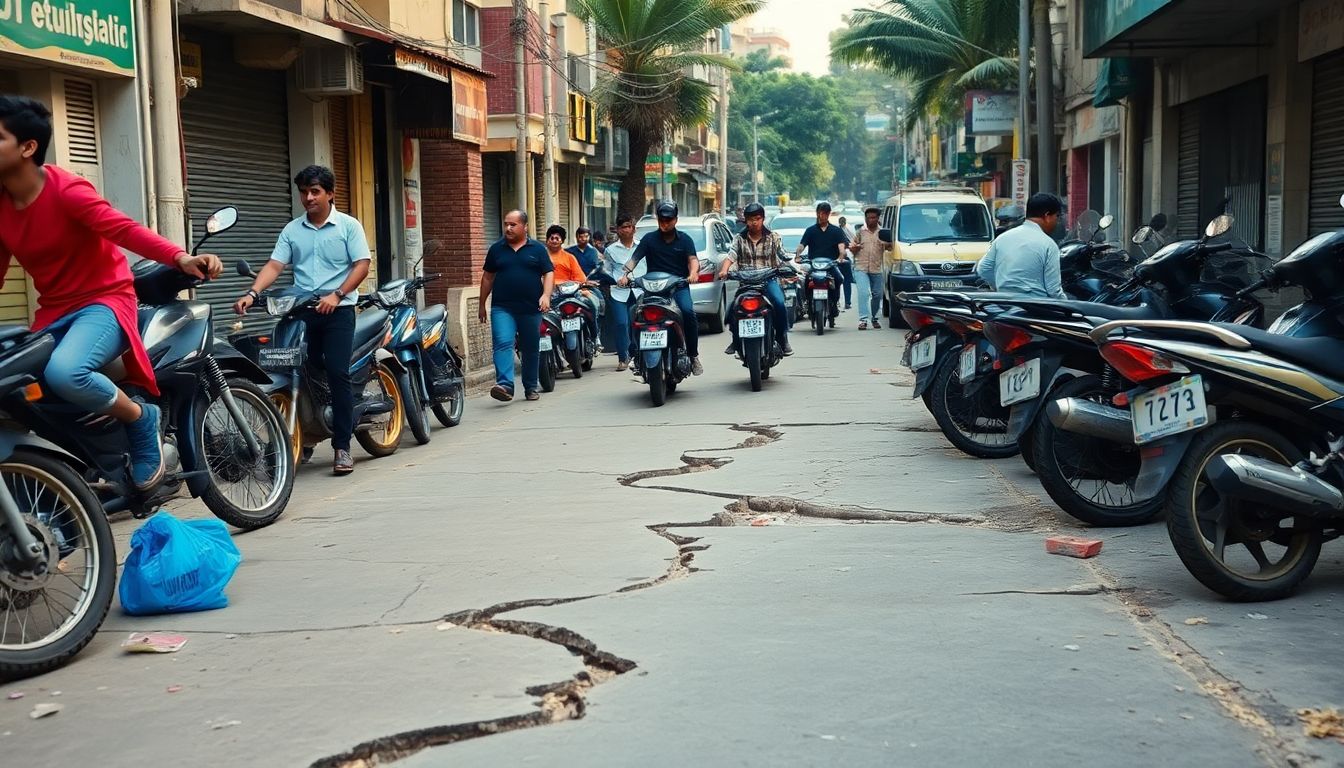
Commuters and students navigating Seshadri Road in Bengaluru are facing mounting safety hazards and navigation challenges due to damaged footpaths with gaping holes, illegal vehicle parking, and widespread public urination along the major arterial stretch. Surrounded by Maharani Cluster University, CMS Business School, the Race Course, and Freedom Park, the busy road has increasingly emerged as a civic yellow spot, highlighting coordination failures between municipal bodies, enforcement agencies, and citizens.
Daily pedestrians, particularly students from neighboring educational institutions, have reported navigating broken and unclean footpaths while contending with traffic lanes narrowed by illegally parked vehicles. Despite the presence of a pay-and-use public toilet situated within 50 metres of the affected area, public urination along Seshadri Road continues to deteriorate conditions on the stretch.
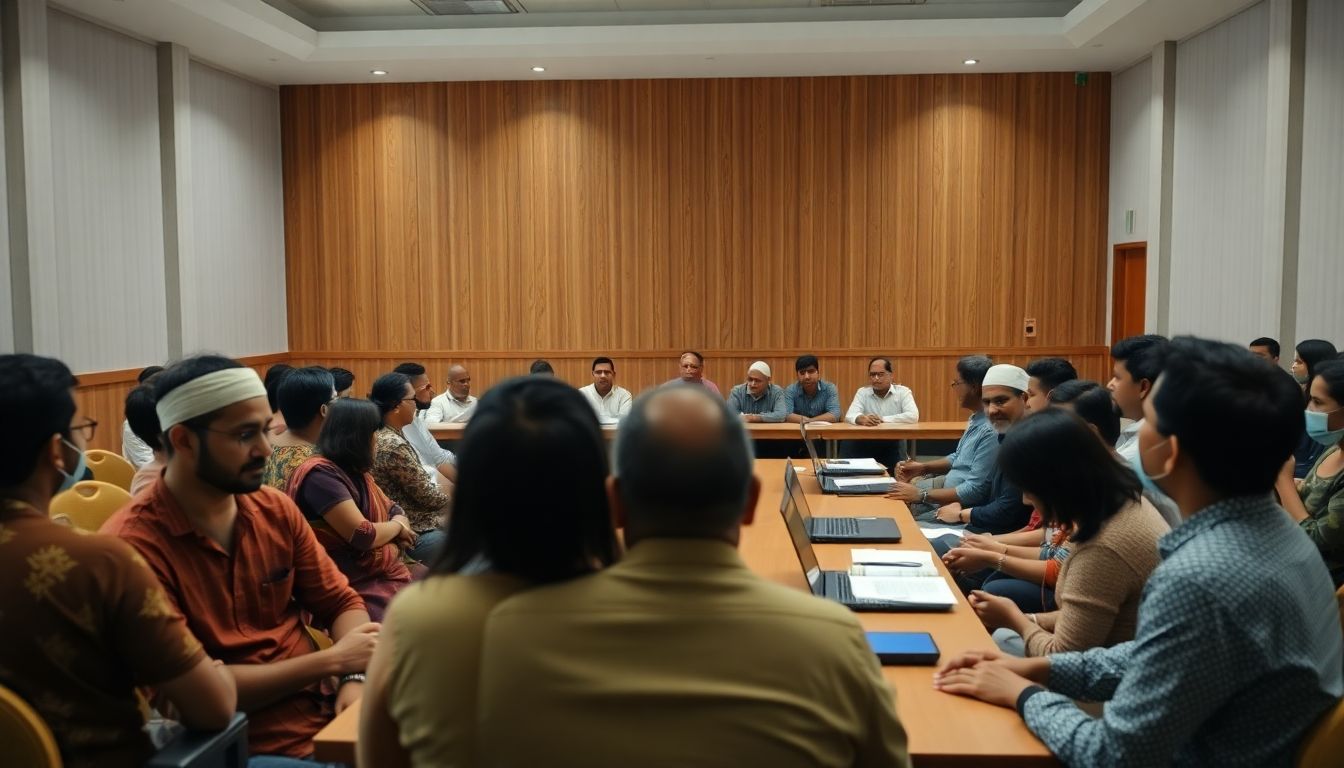
Civic experts and advocates have pointed to systemic governance issues as the primary driver behind the declining conditions on the corridor. Kathyayini Chamaraj, Executive Trustee of CIVIC-Bangalore, stated that the root cause of such recurring civic problems stems from a lack of inter-agency coordination and the failure to empower ward-level committees and Area Sabhas to take independent decisions. Chamaraj noted that local bodies in Bengaluru remain inadequately equipped to discharge the 18 core municipal functions mandated under the Twelfth Schedule of the 74th Constitutional Amendment Act, emphasizing that strengthening local governing bodies is essential to prevent localized civic issues from escalating.
Addressing the persistent problem of public urination despite nearby facilities, regular visitors to the area suggested that increasing the number of free-to-use toilets could help mitigate the issue. However, Swachh Survekshan expert V Ramprasad offered a different perspective, stating that health inspectors and the chief marshal must be held directly accountable when an area becomes a yellow spot. Ramprasad suggested that if payment fees at public toilets pose a barrier, introducing a monthly pass system would offer a proven solution by keeping fees nominal while providing toilet managers with a reliable income.
Responding to the concerns, an official from the local administration noted that resolving illegal parking requires joint efforts with the traffic police. The official added that curbing public urination ultimately requires a shift in public attitudes toward civic cleanliness.