Ranganathittu Bird Sanctuary Installs Rs 1.5 Crore Gabion Walls to Protect Islands
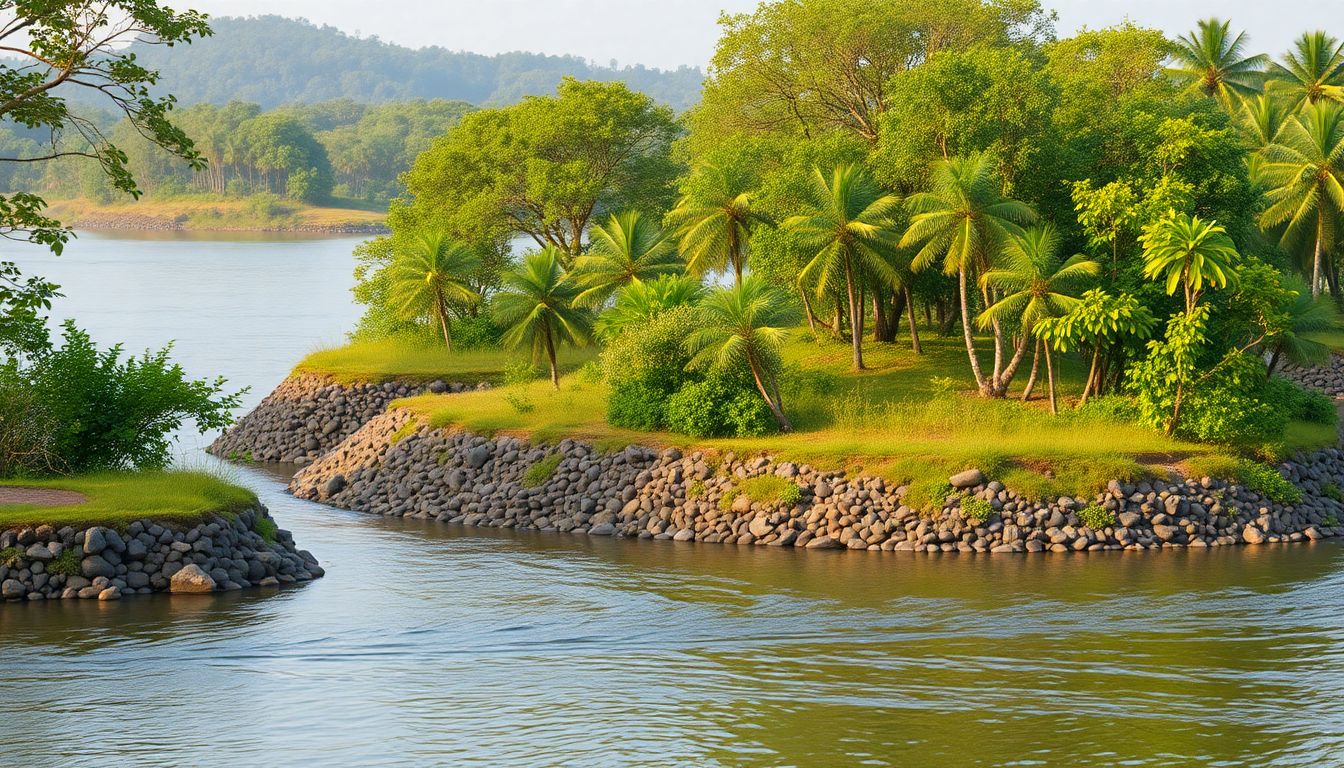
Forest officials have recently completed the first phase of installing eco-friendly gabion structures to protect five vulnerable river islands from erosion at the Ranganathittu Bird Sanctuary near Srirangapatna in Mandya district. The Rs 1.5 crore conservation project aims to safeguard critical nesting grounds for thousands of resident and migratory birds from recurring floods in the Cauvery river.
The sanctuary, which is spread across nearly 150 acres, contains 25 islands that serve as vital habitats. In the past, authorities used sandbags to protect these islands from the river's strong currents during the monsoon. However, heavy flooding frequently washed the sandbags away, causing severe erosion and destroying bird nests, eggs, and hatchlings. The loss of vegetation also threatened the sanctuary's delicate ecosystem.
To solve this recurring issue, sanctuary authorities constructed gabion structures. These consist of stone-filled retaining walls reinforced with corrosion-resistant galvanised iron mesh. The eco-friendly design is built to withstand powerful floodwaters and stabilise the islands while maintaining their natural character.
According to Range Forest Officer Syed Nadeem, the gabion structures have been successfully installed around five major islands. The protection measures will be extended to other vulnerable islands in the sanctuary in a phased manner. Conservationists and environmentalists have welcomed the initiative, noting that the use of natural stone and environmentally friendly materials offers a long-term solution to erosion while protecting trees and nesting areas.
In addition to the erosion control measures, the sanctuary is undergoing other ecological improvements. Authorities have developed a park and walking trail on a recently acquired 16-acre plot of land adjacent to the sanctuary. They have also planted various fruit-bearing trees to establish a natural food source for the birds, aiming to enhance the overall habitat quality and biodiversity of the internationally recognised site.