Ramaiah Medical College Study Reveals Rural-Urban Divide Among Bengaluru Seniors
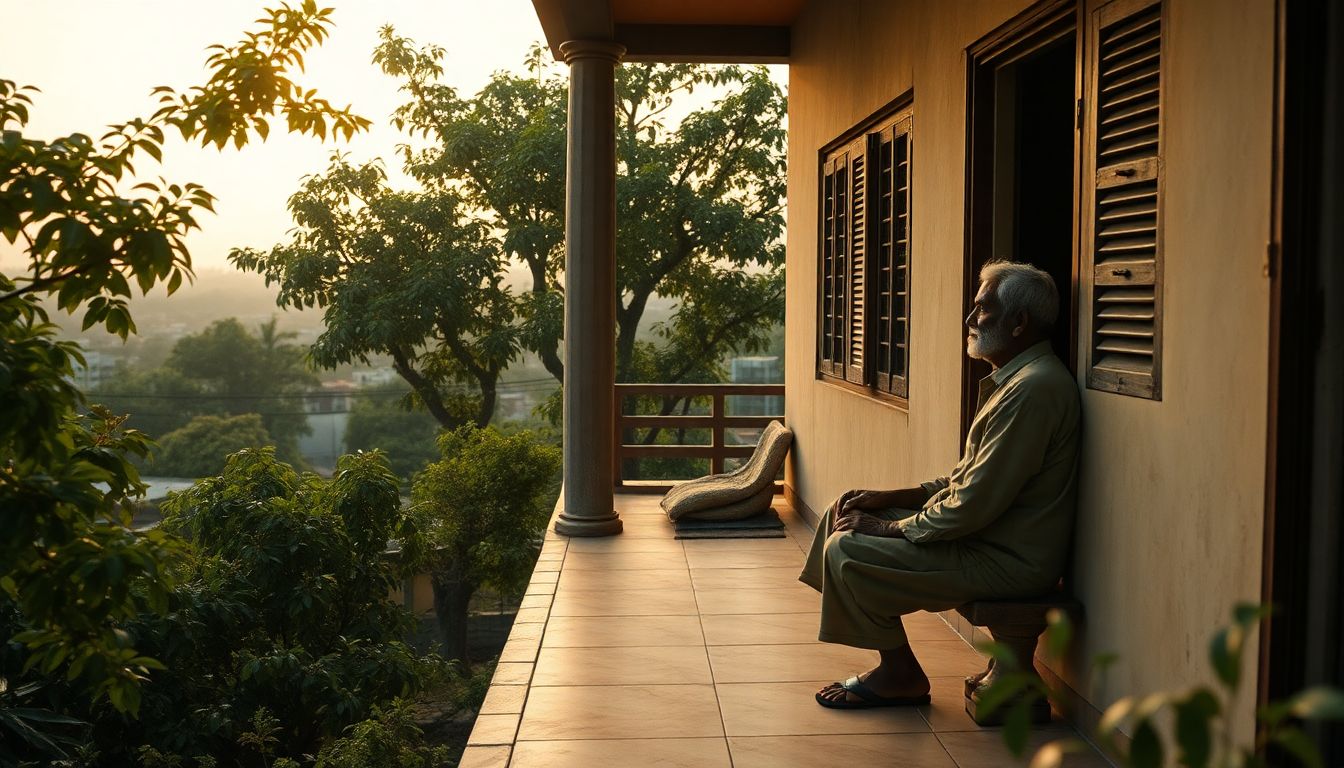
A study conducted by researchers from MS Ramaiah Medical College in Bengaluru has revealed significant differences in the ageing experiences of older adults living in rural and urban areas of the district.
The research, titled "Where to Age? Elderly Perspectives on Independence, Care and Dignity: A Qualitative Study on Ageing in Place among Older Adults in Urban and Rural Bengaluru," was authored by Dr Naveen R under the guidance of Dr Nandakumar BS, Dr Ananth Ram, and Dr NS Shivaraj from the college's Department of Community Medicine. The broader study covered more than 400 older adults across urban and rural Bengaluru, alongside a qualitative component featuring 12 in-depth interviews with seniors, including transgender older adults.
The findings show that rural seniors experienced stronger community bonds and daily informal check-ins from neighbours, though they also faced challenges related to widowhood, land disputes, family estrangement, and fears of becoming a burden. In contrast, urban seniors reported fragmented support networks, isolation, and difficulties navigating dispersed healthcare and civic services despite their availability.
According to Dr Ananth Ram, rural elderly individuals typically live near extended family or long-standing neighbours, benefiting from frequent face-to-face interactions. Urban seniors, however, often deal with nuclear family structures, residential mobility in rented homes, long working hours of family members, and reduced neighbourhood interaction.
Dr Nandakumar BS noted that while healthcare, banking, and recreation are more readily available in cities, dependency and the stress of urban commuting make them difficult for seniors to access. He added that stronger social support in rural areas makes accessing services easier, whereas a lack of community engagement in urban areas drives loneliness and dependency.
The study also highlighted that transgender older adults often feel forced to hide their identities at home to avoid social scrutiny, noting that safe community spaces or dedicated shelters offer them greater dignity. The researchers emphasised that urban planners need to incorporate age-friendly amenities, secure neighbourhoods, and accessible recreational and cultural spaces.