PMSMA Identifies 77,791 High-Risk Pregnancies in Bengaluru Urban
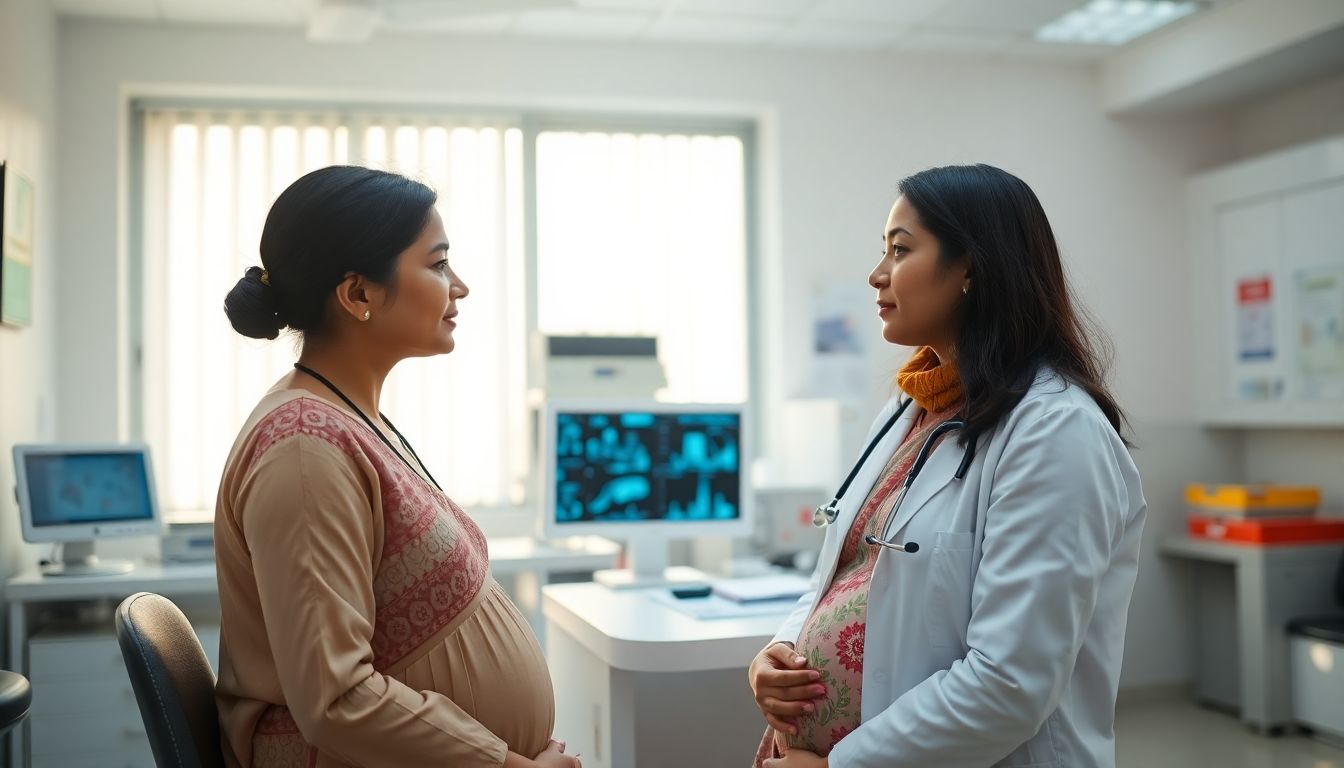
More than 1.81 lakh pregnant women in Bengaluru Urban have received antenatal care under the Pradhan Mantri Surakshit Matritva Abhiyan (PMSMA), leading to the detection of 77,791 high-risk pregnancies, according to data placed before the Lok Sabha.
Across Karnataka, a total of 35,13,527 pregnant women have accessed antenatal care under the scheme since its inception in 2016, with 12,28,200 high-risk pregnancies identified. In neighbouring Bengaluru Rural, 27,980 women received antenatal care and 11,259 high-risk cases were recorded.
PMSMA guarantees free antenatal services on the 9th of every month at designated public health centres. The programme offers check-ups by medical officers or obstetricians, medicines, diagnostic tests, ultrasound evaluations, and counselling on nutrition, institutional deliveries, and breastfeeding. Nationwide, over 7.91 crore pregnant women have received care under the initiative, with 1.24 crore high-risk pregnancies detected.
Medical professionals noted that the high volume of detected cases in urban centres reflects both improved screening capabilities and changing lifestyle factors. Dr Shivani Chandan L, Senior Consultant in Obstetrics and Gynaecology at Aster RV Hospital, stated that urban centres such as Bengaluru are witnessing more women conceiving later in life, which increases the likelihood of hypertension, diabetes, and placental complications.
Dr Chandan also noted that rising rates of obesity, sedentary lifestyles, pre-existing metabolic conditions, assisted reproductive technologies, and prior caesarean sections contribute to complex pregnancies, while anaemia and nutritional deficiencies remain persistent challenges. She added that the initiative helps move patients from unrecognised risk into structured pathways of care.
Dr Chaitra Gowda KN, Senior Consultant in Obstetrics and Gynaecology at Rainbow Children’s Hospital on Sarjapur Road, said high-risk pregnancies have seen an estimated 30 to 50 per cent increase. She emphasised that structured public health programmes help reduce maternal and neonatal complications by identifying patients early and planning advanced care at tertiary facilities.