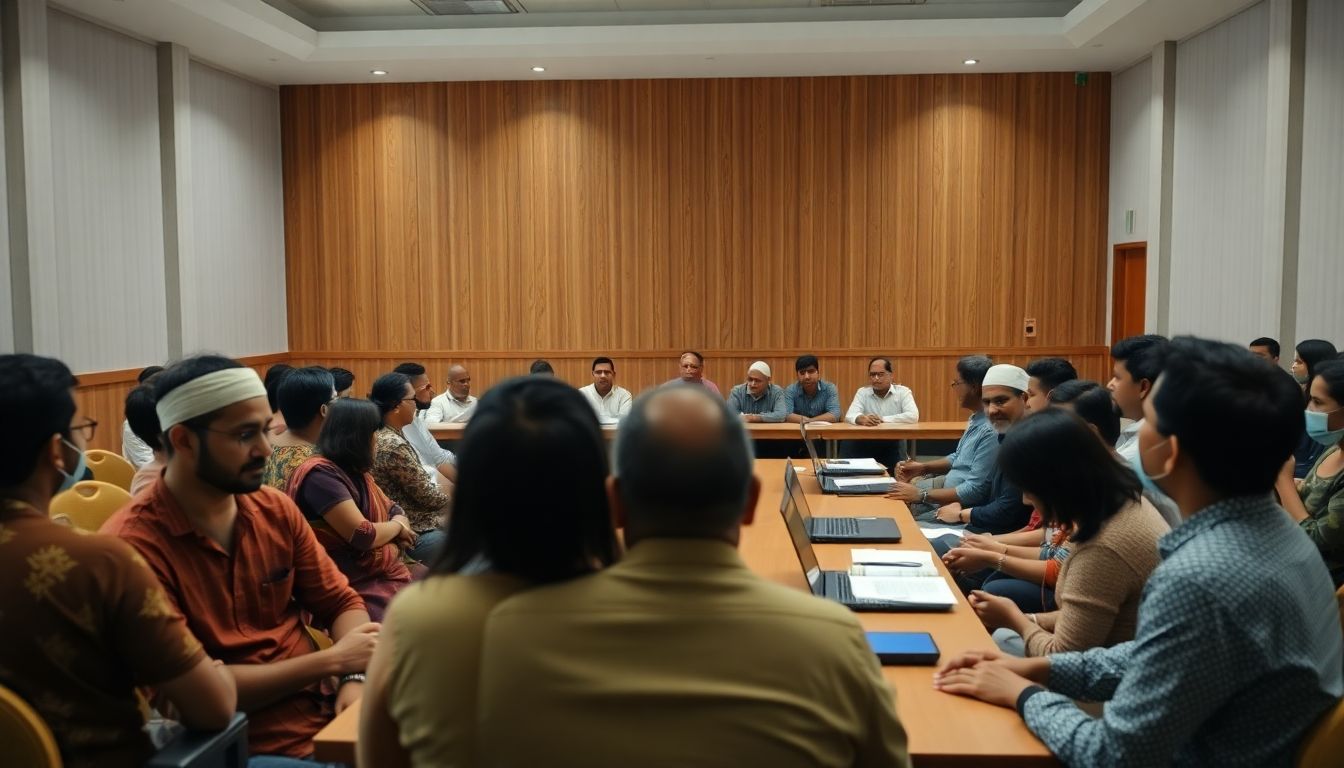
Peripheral Bengaluru Farmers Turn to Secondary Jobs to Sustain Livelihoods
Farmers residing on the periphery of Bengaluru, including areas such as Maralwadi and Harohalli, are increasingly taking up secondary employment and gig work as agricultural income alone proves insufficient to sustain their households.
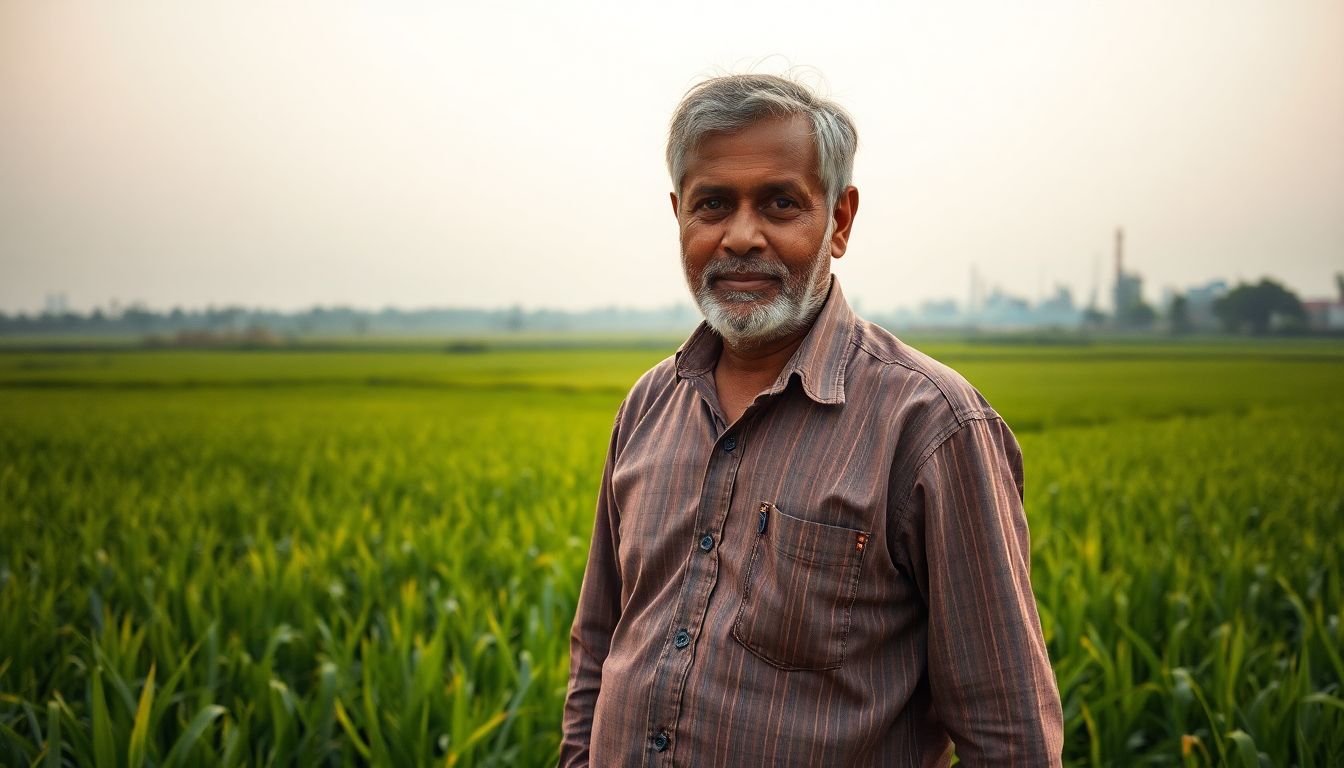
In Maralwadi, farmer Raju cultivates groundnut, seasonal produce, and mulberry for silkworm rearing, but works as a part-time plumber to make ends meet. His wife works in a factory, his son is employed as a supervisor at a cooker manufacturing unit, and his daughter is pursuing secondary education. Raju explained that despite government subsidies for seeds and machinery, daily auction rates and living expenses leave the family with little savings and dependent on informal loans during emergencies.
Research indicates widespread financial insecurity among farming communities around the city. A study published in the journal Sustainability found that 68 percent of surveyed households in Magadi and 56 percent in Devanahalli considered agriculture riskier than other professions. Additionally, a 2021 survey conducted across 28 states by ICRISAT, Professor Jayashankar Telangana State Agricultural University, MANAGE, and partner institutions showed that while 79 percent of more than 30,000 rural youth belonged to farming households, only 1.2 percent aspired to become farmers.
In Harohalli, farmer Munniraja said his older son, Pulkesh, is pursuing a BCom degree while working late nights as a delivery personnel for apps in Bengaluru. Pulkesh stated that rapid urbanisation and industrialisation have impacted farming around Bengaluru. He added that the use of chemical pesticides has degraded soil and crop quality, while commercial and housing projects have encroached on agricultural land and increased human-wildlife conflict.
Personal tragedy and mounting costs have forced others out of farming entirely. In the region, 66-year-old Rangaamma sold her agricultural land at a lower price to cover medical costs for her son, who died following her husband's earlier death in a road accident. Rangaamma and her daughter-in-law now depend on agricultural labour and odd jobs to support two young grandchildren.
Agriculture Officer Sundresha BR confirmed that many farmers' children are opting for delivery work, cab driving, and small businesses due to financial hardship and a search for more dependable income. Assistant Horticulture Officer Ramesh noted that some farmers take on external jobs during the off-season while returning to tend their fields during sowing and harvesting periods.