Parliamentary Panel Reviews Gaganyaan and Space Projects Across Bengaluru Facilities
A Parliamentary Standing Committee on Science and Technology, Environment, Forests and Climate Change visited key scientific establishments across Bengaluru to review progress on major national initiatives, including the Gaganyaan human spaceflight mission.
The parliamentary delegation, led by Chairperson and Rajya Sabha MP Dr. Medha Vishram Kulkarni, arrived in the city on August 20. Over several days, the committee toured multiple premier research facilities, including the Indian Space Research Organisation (ISRO), the Indian Institute of Astrophysics (IIA), the National Aerospace Laboratories (NAL), and the National Institute of Data Science and AI (CSIR-NIDSA).
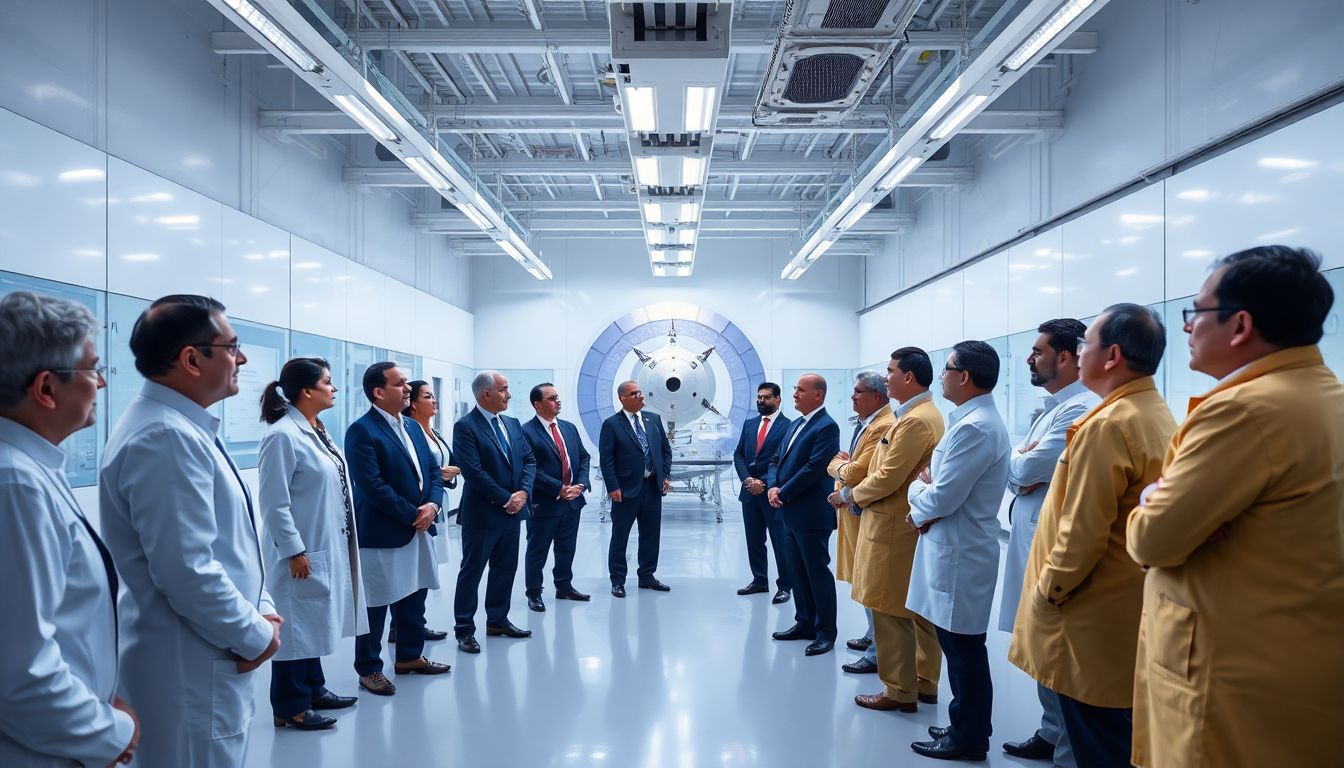
During their visit to the ISRO headquarters and the Human Space Flight Centre (HSFC), the panel assessed the current status and preparedness of India's first human spaceflight mission, Gaganyaan. The members also interacted with ISRO Chairman Dr. V. Narayanan and senior scientists and engineers at the UR Rao Satellite Centre to review planning for upcoming space missions.
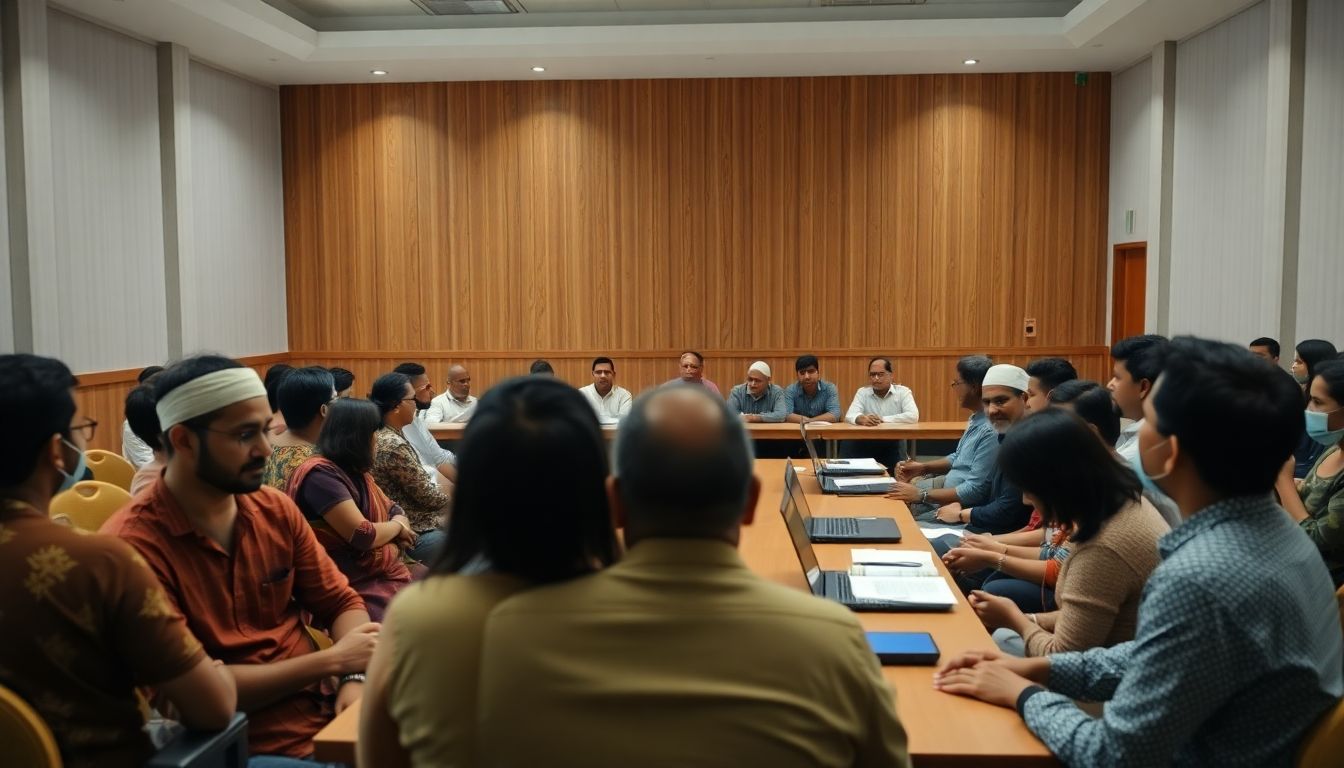
At the Indian Institute of Astrophysics, Dr. Kulkarni chaired a review meeting covering advancements in astronomy, astrophysics, solar physics, and upcoming telescope installations. She noted that discussions focused on strengthening research infrastructure and securing policy support to equip scientists with resources for global space missions.
The committee also inspected ongoing civil aviation programmes at NAL, where officials briefed the panel on the capabilities of the trainer aircraft HANSA-NG and the indigenous passenger aircraft project being developed for regional connectivity.
At CSIR-NIDSA, the delegation examined developments in high-performance computing, the National Data Grid, and artificial intelligence. Dr. Kulkarni held discussions with senior officials from the Department of Scientific and Industrial Research (DSIR) and institutional scientists regarding data modelling applications for early weather warnings, cybersecurity improvements, and simplified public service delivery.