Over 80 Die as 72,000 Migrants Rush Ceuta Border Following Online Rumours
More than 80 migrants died and around 72,000 Moroccans rushed to the Spanish territory of Ceuta after false rumours circulated on social media claiming that Spain’s border with Morocco had opened. The viral posts falsely suggested migrants could freely cross, secure legal residence, and obtain jobs under Spain's recent immigration measures without facing deportation.
The surge began after posts on Instagram, Facebook, and TikTok claimed the border was open, tracked coast guard patrols, and shared maps showing where to swim. In response to the misinformation, thousands attempted the journey within days. Several social media accounts that spread the rumours later disappeared.
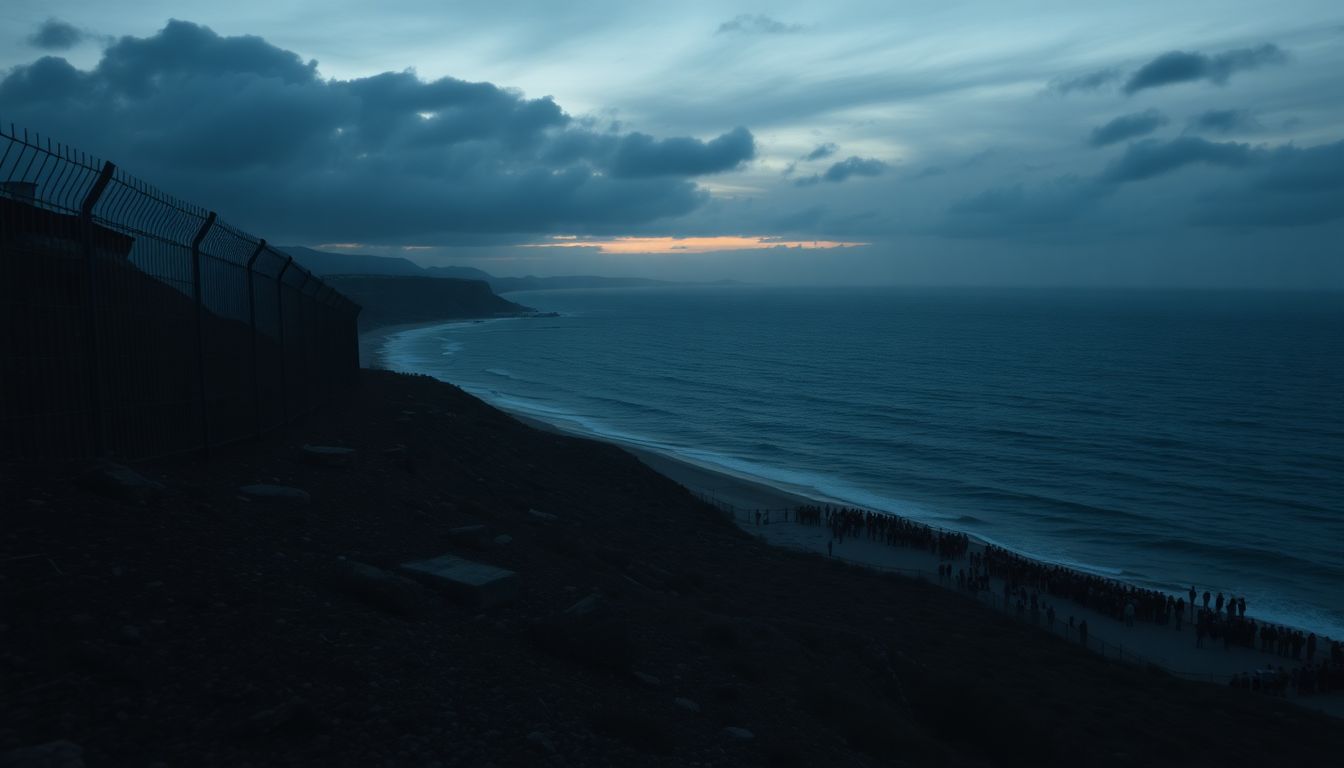
Chaos unfolded at the breakwater along the border as crowds attempted to enter the Spanish territory. Officials reported that at least 72 people died on the Spanish side, while 11 died on the Moroccan side. Survival reports from migrants described chaotic and deadly conditions during the rush.
Lahcen Kalouch, a migrant who survived the crossing, described stepping on the face of a dead man while climbing out of the water. Another migrant, 17-year-old Omar Danbor, said he decided to cross after seeing online posts claiming the border was open. Both migrants rejected government claims that human-smuggling syndicates organized the movement, stating they traveled of their own free will.
Many migrants had misinterpreted Spain's actual migration policies. Spain's regularization measures applied exclusively to eligible migrants already residing in the country, rather than new arrivals. Spanish authorities returned most of the recent arrivals and launched investigations into the misinformation, smuggling claims, and deaths.
Governments on both sides faced criticism over border management. Moroccan officials attributed the surge to online misinformation, while Spanish officials stated they received no prior warning. Migration expert Mustapha Azaitraoui noted that the ability of such a large group to breach the border pointed to a broader, unacknowledged security issue. A Moroccan diplomat rejected calls for harsher enforcement, stating that Morocco is not Europe's police. High youth unemployment in Morocco remains a primary driver pushing people to attempt the crossing.