Over 18% of Assessed Bengaluru Locations Inaccessible to Disabled People: APD Study
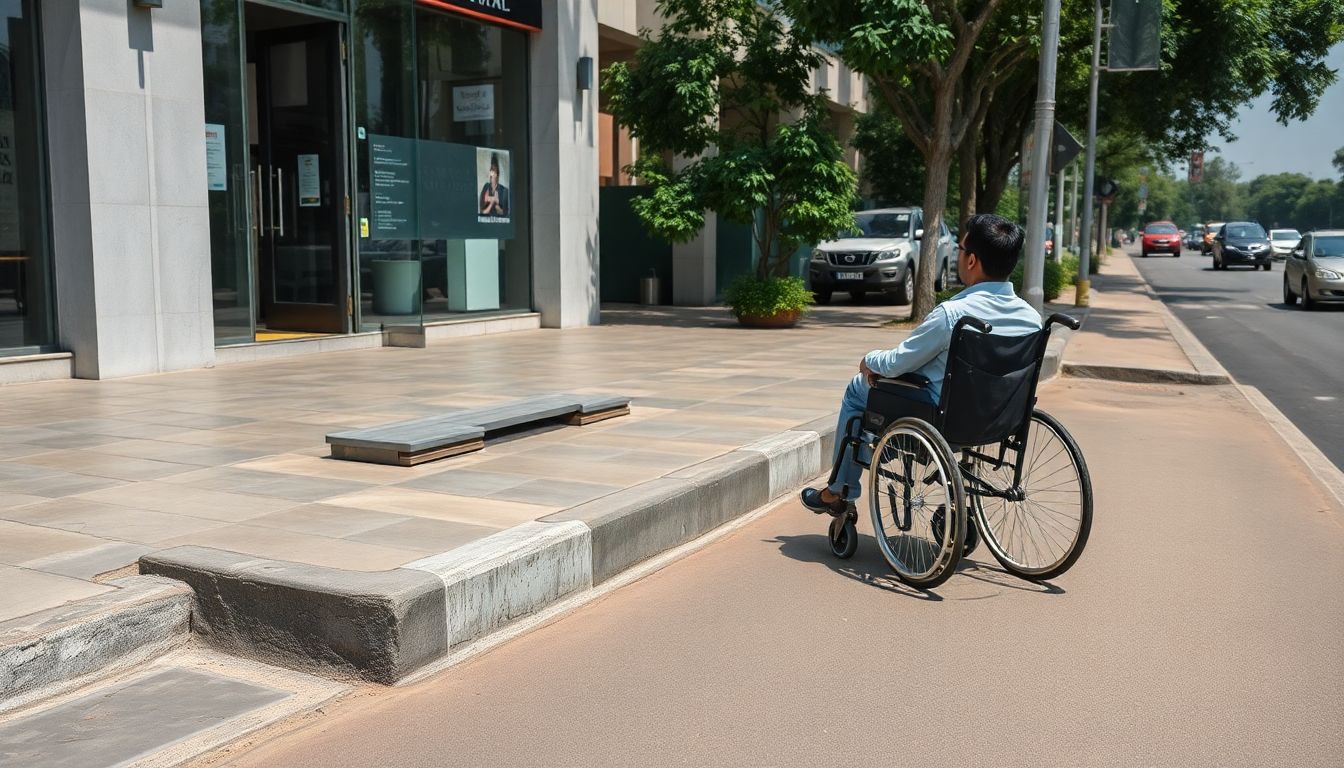
A total of 18.6% of assessed locations across Bengaluru were found inaccessible to persons with disabilities, according to data from 16,265 assessments conducted under the Association for People with Disability’s ‘Yes To Access’ initiative.
The findings were gathered through the community-powered Yes To Access platform, which maps and rates accessibility in public and private spaces. Across Karnataka, the platform recorded more than two lakh assessments between December 2024 and June 2026.
In Bengaluru, the data highlighted major infrastructure deficits. A total of 11,530 locations lacked accessible parking facilities, while 6,106 places did not have proper approach signage. Additionally, 4,819 locations lacked internal tactile pathways, 3,740 lacked ramps, and 3,068 did not provide accessible toilets.
Educational and research institutes recorded the highest proportion of inaccessible observations at 20%. They were followed by hotels and hospitality venues at 19.6%, retail and commercial establishments at 19.5%, and office buildings at 19.2%. Schools stood at 18.6%, while healthcare facilities and restaurants or cafeterias each recorded an inaccessibility rate of 18.4%.
Judicial and legal buildings followed at 18.1%, residential locations at 17.7%, transportation services at 17.5%, public spaces at 16.9%, recreational buildings at 16.6%, and religious buildings at 16.3%.
An APD spokesperson noted that Bengaluru is home to roughly 2.74 lakh persons with disabilities, for whom access to workplaces, healthcare, education, transit, and public spaces determines independence. The spokesperson emphasised that accessibility operates as a chain, where an issue at any point can prevent independent movement.
David Istacky, managing trustee of The Good Sam Foundation, said most public and private spaces were planned without mobility issues in mind. While he cited Namma Metro as a positive step for incorporating lifts, ramps, tactile guidance, and audio-visual information, he stressed that transit networks must connect with accessible footpaths and road crossings.
Advocates called for mandatory accessibility audits, stricter enforcement, clear standards for footpaths and pedestrian crossings, removal of encroachments, and the direct inclusion of persons with disabilities in infrastructure planning bodies.