One Year of GBA Brings Better Official Access but Mixed Civic Delivery
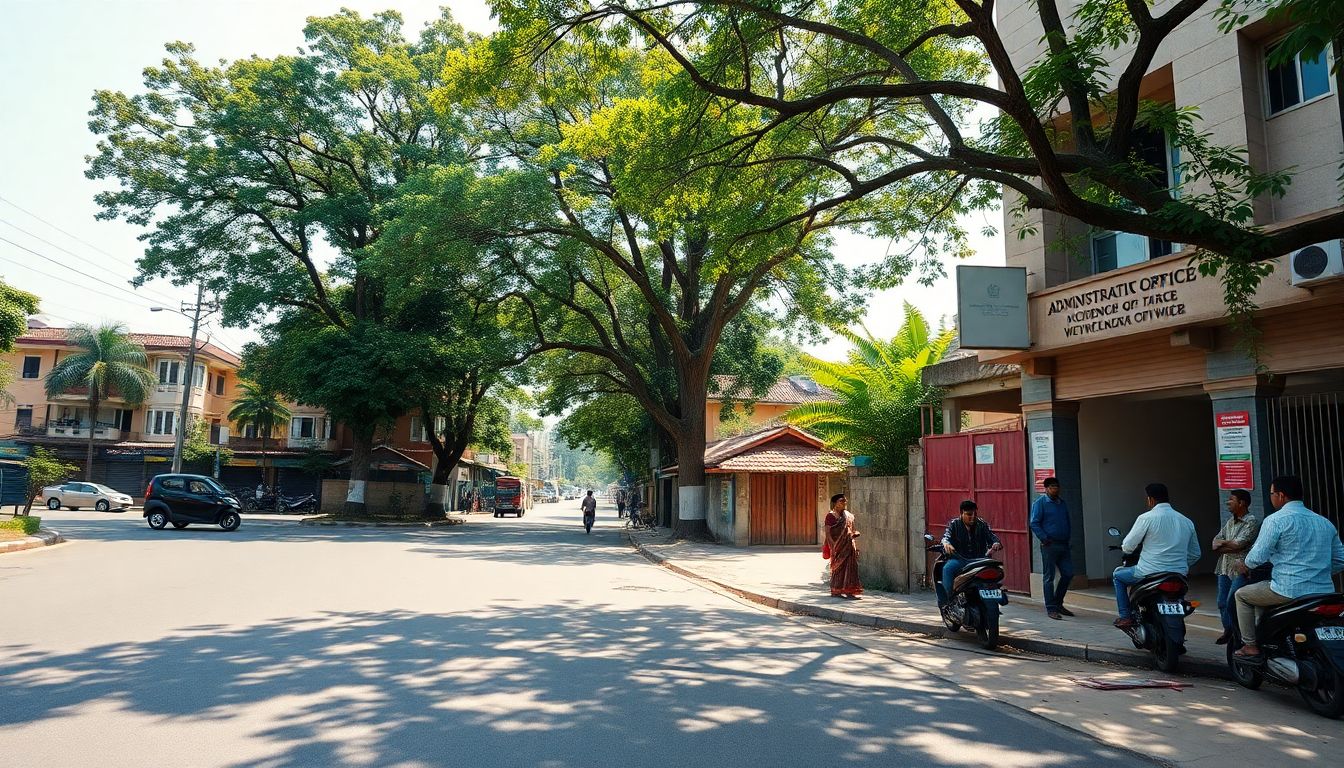
The Greater Bengaluru Authority (GBA) completed one year of restructuring the city's civic governance into five corporations on September 2, leaving residents across localities like Kadabeesanahalli and Malleshwaram reporting improved access to officials alongside continuing delays in ground-level execution.
While the decentralisation has made it simpler to approach authorities, citizens and resident welfare groups note that easier access has not yet translated into faster resolution of civic problems. Ongoing issues in solid waste management, funding shortages, and the absence of elected councillors and ward committees continue to hinder progress.
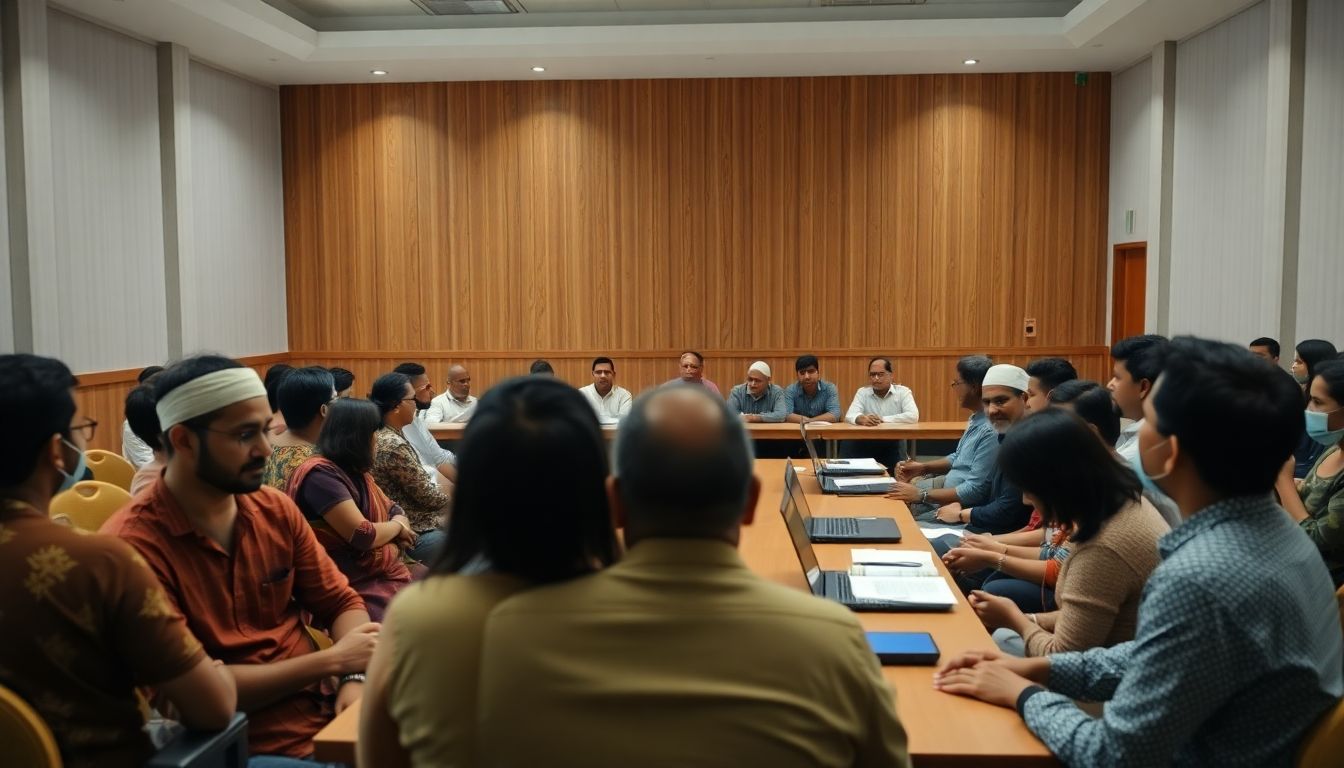
Satish Mallya, president of the Bangalore Apartment Federation, said improved access to Commissioners has been a notable change under the GBA. However, he stressed that accessibility must be backed by time-bound grievance redressal systems, public performance dashboards, regular citizen interactions, and effective ward committees to ensure complaints are resolved.
Vishwa Venkata Reddy of Bhuvi By Amsha Apartment in Kadabeesanahalli pointed out that while navigating five corporations is simpler than the previous Bruhat Bengaluru Mahanagara Palike setup, execution remains stalled. He noted that without elected councils, resident associations struggle to push decisions into actionable work, compounded by constraints in funds and administrative capacity.
Civic activist Preeti Sunderajan of Malleshwaram echoed the need for elected representatives, stating that functioning ward committees are essential to establish accountability and combine local responsiveness with a city-wide vision.
Solid waste management remains another major challenge during the transition to the GBA and Bengaluru Solid Waste Management Ltd. Bulk waste generators, including apartment complexes, continue to face uncertainty over empanelled vendors, operational frameworks, pricing, and assigned responsibilities, leading to operational hurdles and increased costs.
To improve grievance collection, corporation Commissioners introduced phone-in programmes. The initiative has shown uneven results across zones. While Central and West corporations have seen irregular sessions, the North corporation reported strong engagement.
North Corporation Commissioner Pommala Sunil Kumar stated that the division into five bodies enabled closer monitoring and gap identification. According to Kumar, the North corporation received 75,152 grievances between September 1, 2025, and August 21, 2026, with only 1,167 cases remaining pending.