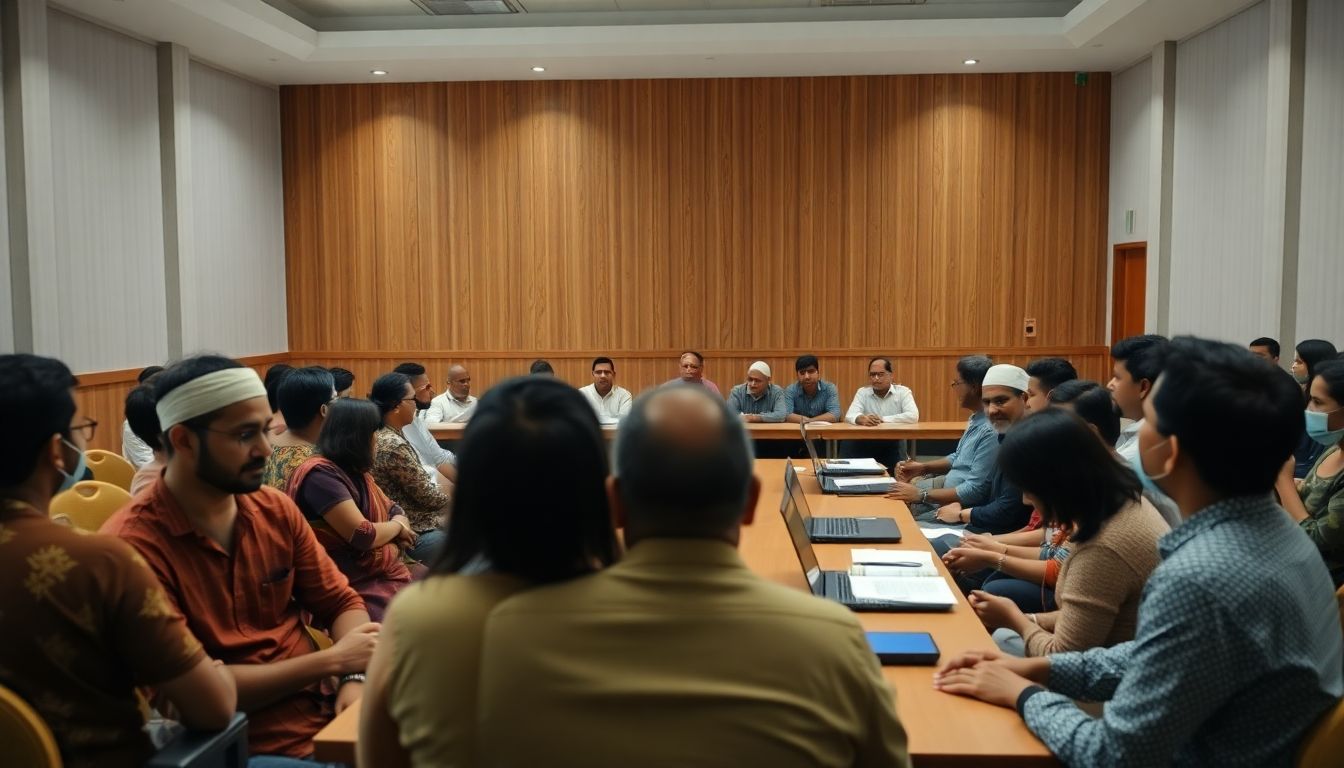
NITI Aayog Proposes National Caregiving Council and Social Security for Carers
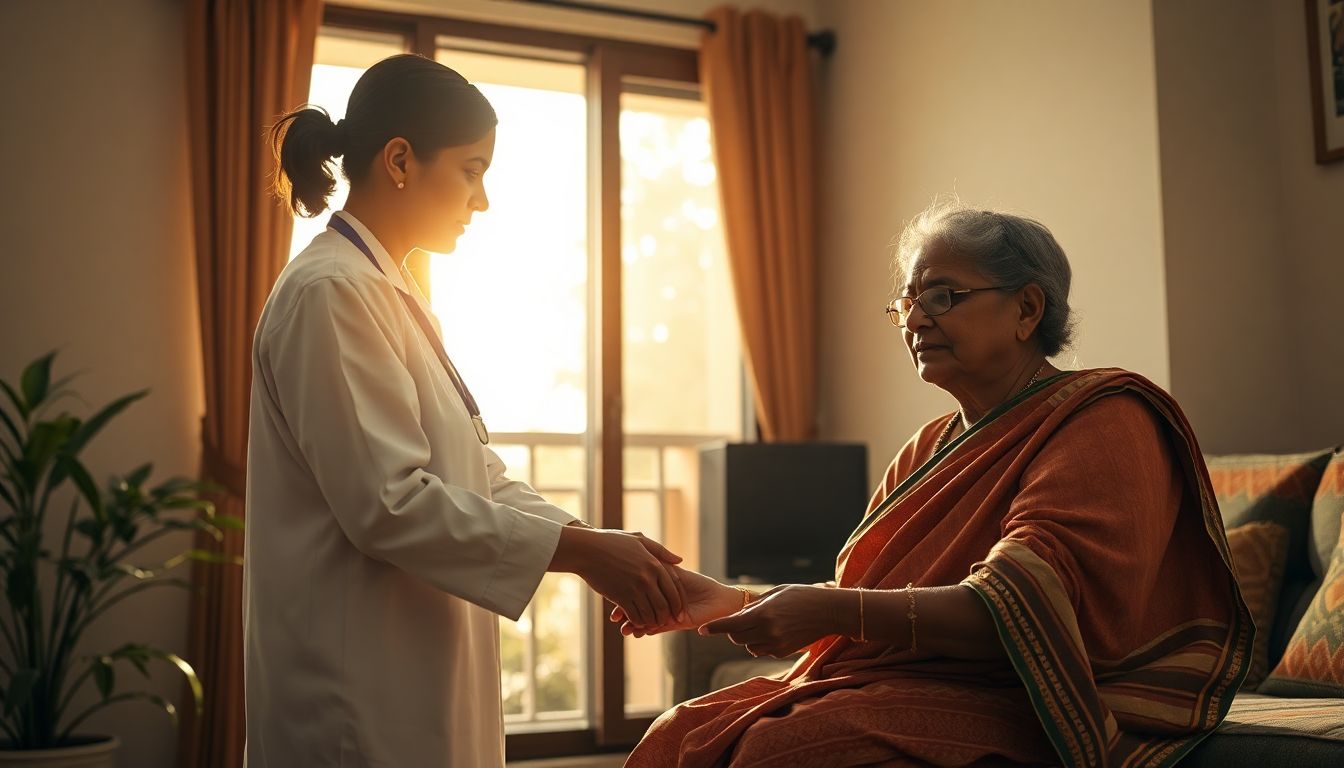
On August 5, NITI Aayog released a policy framework titled 'Reimagining Care: Strategies for Empowering Caregivers in Viksit Bharat@2047', proposing the establishment of a National Caregiving Council, a formal qualification framework, and social-security coverage for caregivers across India.
The framework recommends setting up a national registry, offering institutional care leave, and extending stronger institutional backing to family and community caregivers. It also highlights specialized care areas including dementia, end-of-life, and palliative care, alongside entrepreneurship and overseas placement pathways.
The policy initiative aligns with Union Budget plans to build a comprehensive care ecosystem and train 1.5 lakh multi-skilled caregivers. The National Skills Qualifications Framework-aligned programmes are designed to cover core care, wellness, and assistive-device skills, providing structured career paths for roles such as Geriatric Caregivers, Home Health Aides, and General Duty Assistants.
Demographic data from IIPS and UNFPA shows India's 60-plus population share is projected to rise from 10.1% in 2021 to roughly 15% by 2036. Southern states are confronting this transition at an accelerated pace, with the 60-plus demographic projected to reach 17.2% in Karnataka, 22.8% in Kerala, 20.8% in Tamil Nadu, 19% in Andhra Pradesh, and 17.1% in Telangana.
The policy focus comes as national studies indicate health-insurance coverage among individuals aged 60 and above is only 18.2%, with multimorbidity affecting approximately one-fourth of older citizens. Karnataka has previously initiated financial support through its state budget, introducing a Rs 1,000 monthly allowance for caregivers of persons with conditions including cerebral palsy, muscular dystrophy, Parkinson's disease, and multiple sclerosis, before expanding the scheme to autism, mental illness, and multiple disabilities.