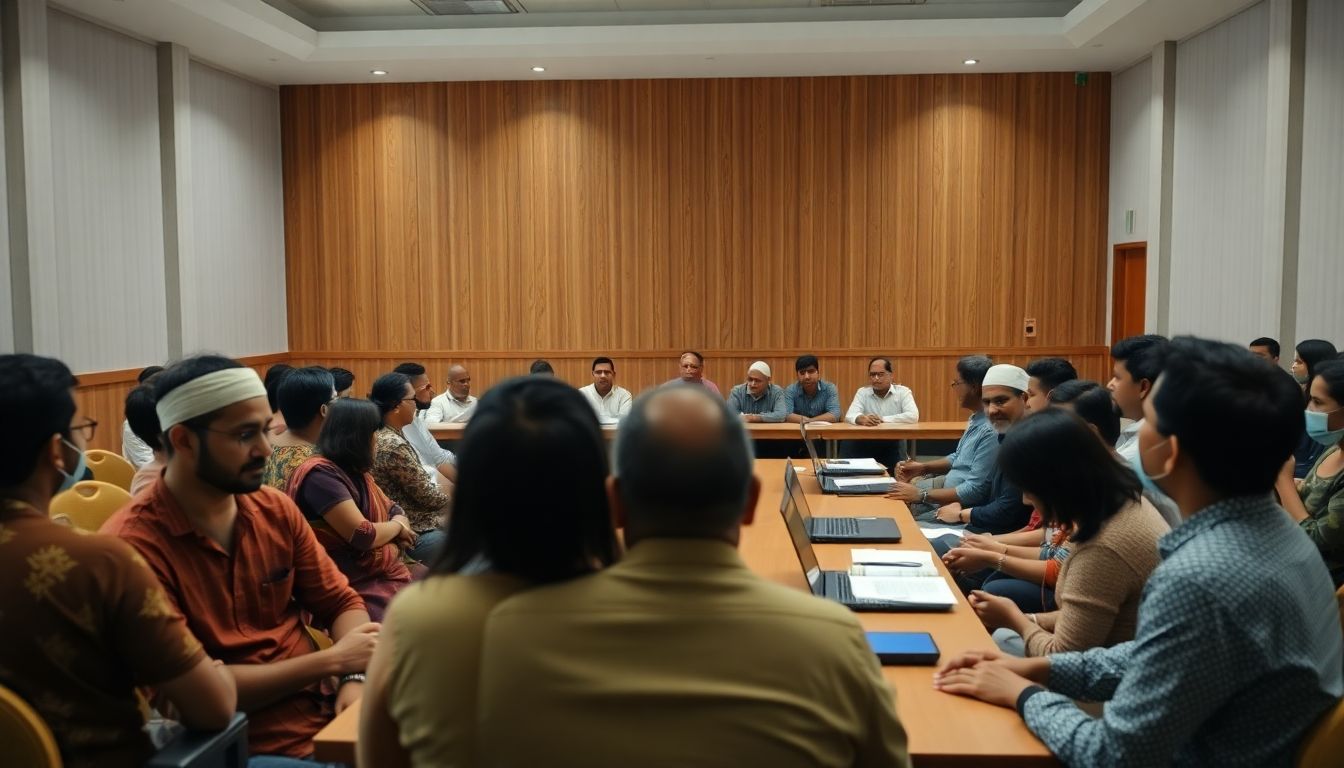
Missing Bengaluru Footpaths Force Koramangala Students and Commuters Off Public Transit
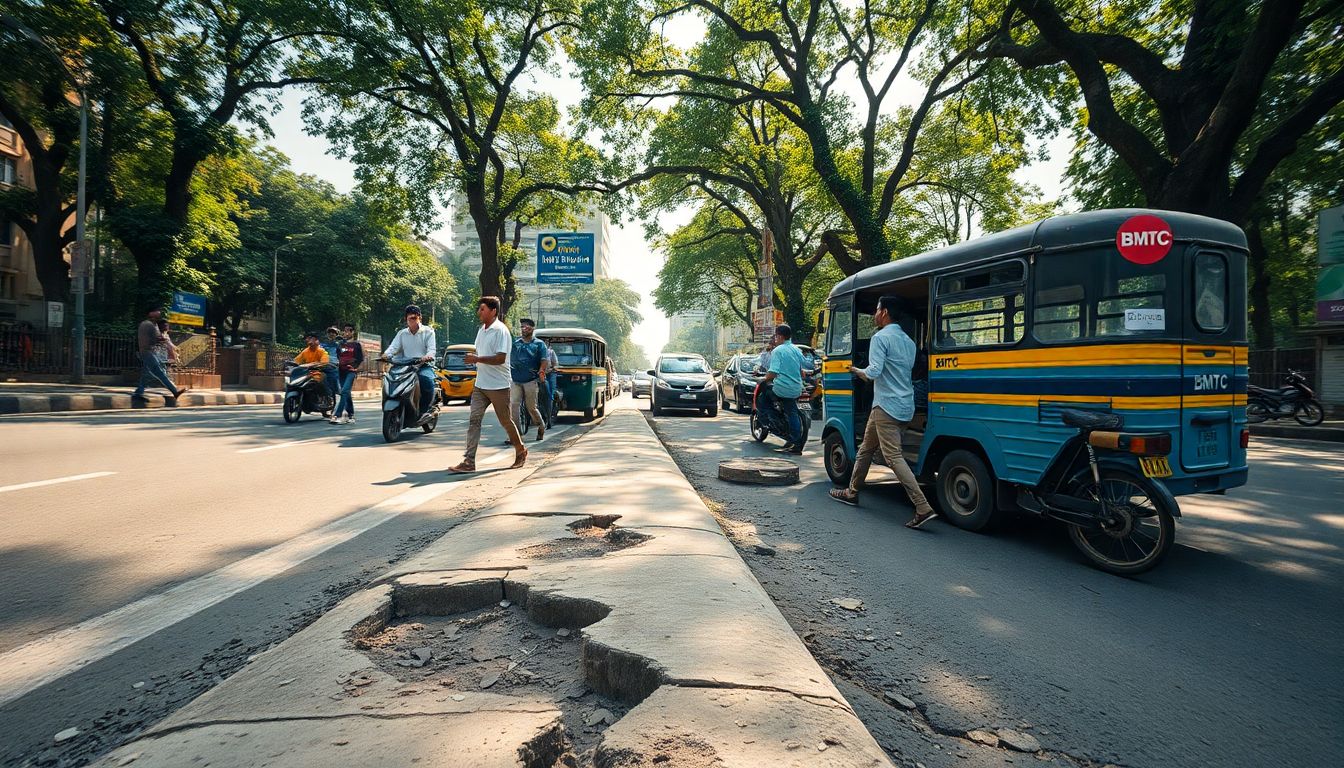
In Koramangala and other parts of Bengaluru, missing and broken footpaths near public transport hubs are forcing pedestrians to walk on active roadways, causing some commuters to abandon public transit entirely. Students from two institutes in Koramangala, along with commuters at major junctions like Hebbal and Marathahalli, have reported severe safety hazards, with many opting for bike taxis or driving rather than navigating incomplete pedestrian infrastructure. This widespread gap in the city's pavements stands in contrast to a recent Supreme Court ruling that declared safe, accessible, and unobstructed footpaths a fundamental right.
The issue has led to significant shifts in how residents travel. Caroline B., 32, a regular Bengaluru Metropolitan Transport Corporation (BMTC) commuter who traveled between Hebbal and Marathahalli for more than a year, recently gave up public transit. Her daily commute required a 700-meter walk on the road due to the lack of a continuous footpath, forcing her to walk along the edge of the carriageway and between moving vehicles. She switched to driving because of the unsafe pedestrian crossings, particularly at the Marathahalli multiplex junction.
Similarly, students from two institutes in Koramangala and another on Lalbagh Main Road said the lack of pedestrian infrastructure makes walking the last few hundred meters to bus stops highly difficult. Because pavements are either non-existent or blocked by trenches and other obstacles, many students said they prefer paying for bike taxis to drop them at their exact locations rather than walking alongside traffic.
For older commuters, the daily struggle is even more challenging. Giridhar Kumar, 59, continues to rely on BMTC buses but noted that once he steps off the vehicle, there is often no pavement. He stated that arriving at junctions immediately puts him on the active road, where vehicles approach from all directions, creating a confusing and frightening environment.
An inspection of various high-footfall areas across the city found that the primary issue is missing, rather than just broken, footpaths. Government officials from the Greater Bengaluru Area (GBA) acknowledged the gaps, pointing to busy corridors like Hebbal, Silk Board, Goraguntepalya, Jalahalli, and parts of the Outer Ring Road. They attributed the missing infrastructure to poorly coordinated road and utility projects executed by multiple agencies over the years.
Pawan Mulukutla, executive director of World Resources Institute (WRI) India, explained that the issue stems from a historical focus on moving vehicles rather than people during urban planning. He emphasized that resolving these gaps requires a shift in mindset, incorporating urban designers, transport planners, and public policy experts alongside traditional road engineers.
In response to these challenges, the maiden budgets of the five GBA corporations have proposed the development of new footpaths. GBA officials stated that priority will be given to roads surrounding Metro stations, bus stands, and underpasses to improve last-mile connectivity for commuters.