Limited Refuelling Stations Slow Karnataka CNG Vehicle Adoption to 6,683 Retrofits
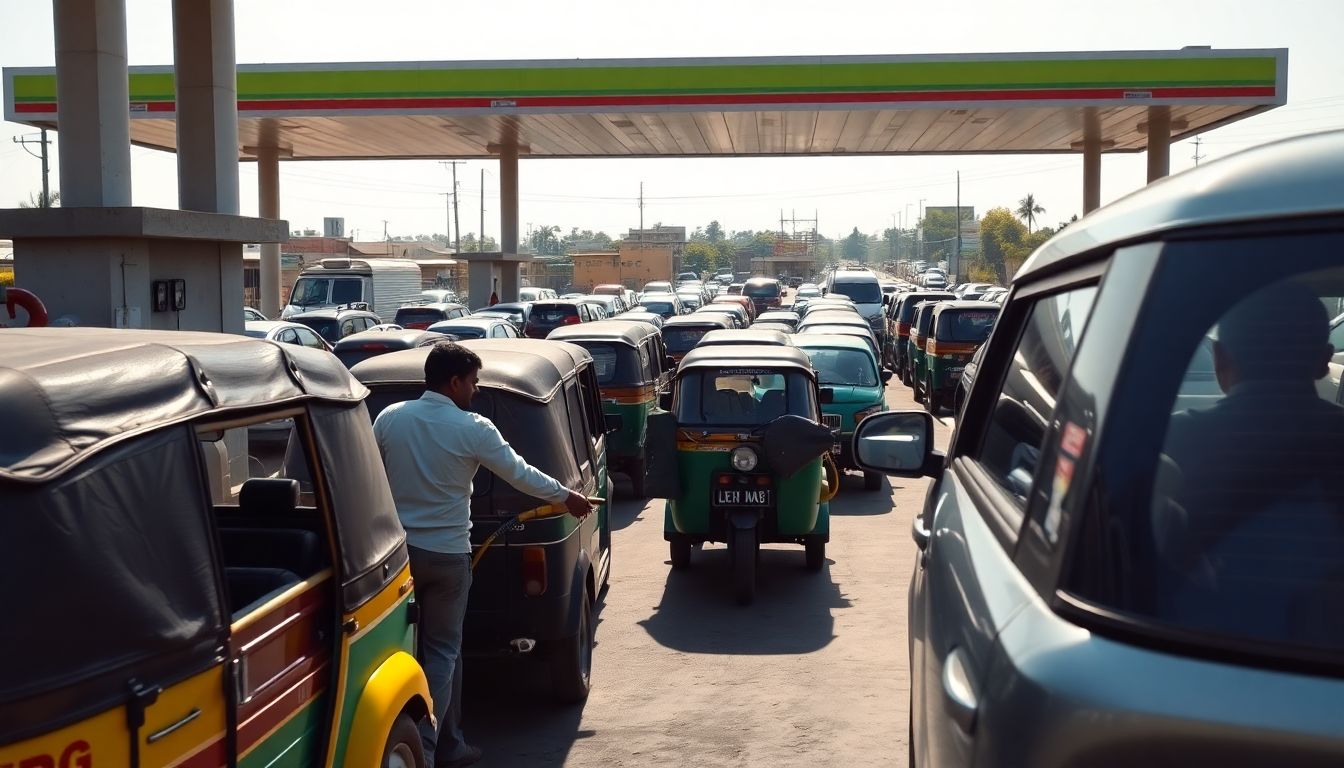
Karnataka recorded 6,683 authorised CNG vehicle retrofits between January 1, 2024 and November 15, 2025, ranking fifth nationally despite lower fuel costs compared to petrol and diesel, according to parliamentary data. Limited access to refuelling stations, particularly outside Bengaluru, continues to hold back wider adoption across the state.
Across India, a total of 3.48 lakh vehicles underwent CNG retrofitting during the same period. Karnataka accounted for less than 2 per cent of the national tally, a modest figure relative to the state's large vehicle population and economic footprint.
Gujarat led the country with more than 1.53 lakh retrofitted vehicles, followed by Maharashtra with nearly 40,000. Madhya Pradesh and Uttar Pradesh each recorded over 28,000 retrofits, supported by extensive city gas distribution networks. Delhi registered more than 27,000 conversions, predominantly in the non-transport category, while Haryana and Rajasthan also posted significantly higher conversion numbers than Karnataka.
In Karnataka, conversions were evenly distributed between commercial and private users. The state recorded 3,149 transport vehicles and 3,534 non-transport vehicles switching to CNG.
Experts attributed the slower adoption rate primarily to a lack of refuelling infrastructure. While states such as Gujarat and Delhi benefit from dense refuelling networks that facilitate seamless daily commuting, Karnataka's station network remains sparse, making CNG usage inconvenient for many motorists outside the capital.
Industry analysts noted that price advantages alone have proved insufficient to drive large-scale fuel transitions without proactive infrastructure rollouts and policy support. Experts warned that without expanding station networks beyond Bengaluru and improving last-mile fuel access, the state risks falling further behind in reducing emissions and cutting reliance on costlier fossil fuels.