KSPCB Water Assessment Finds Dasarahalli and Herohalli Lakes Remain Severely Polluted
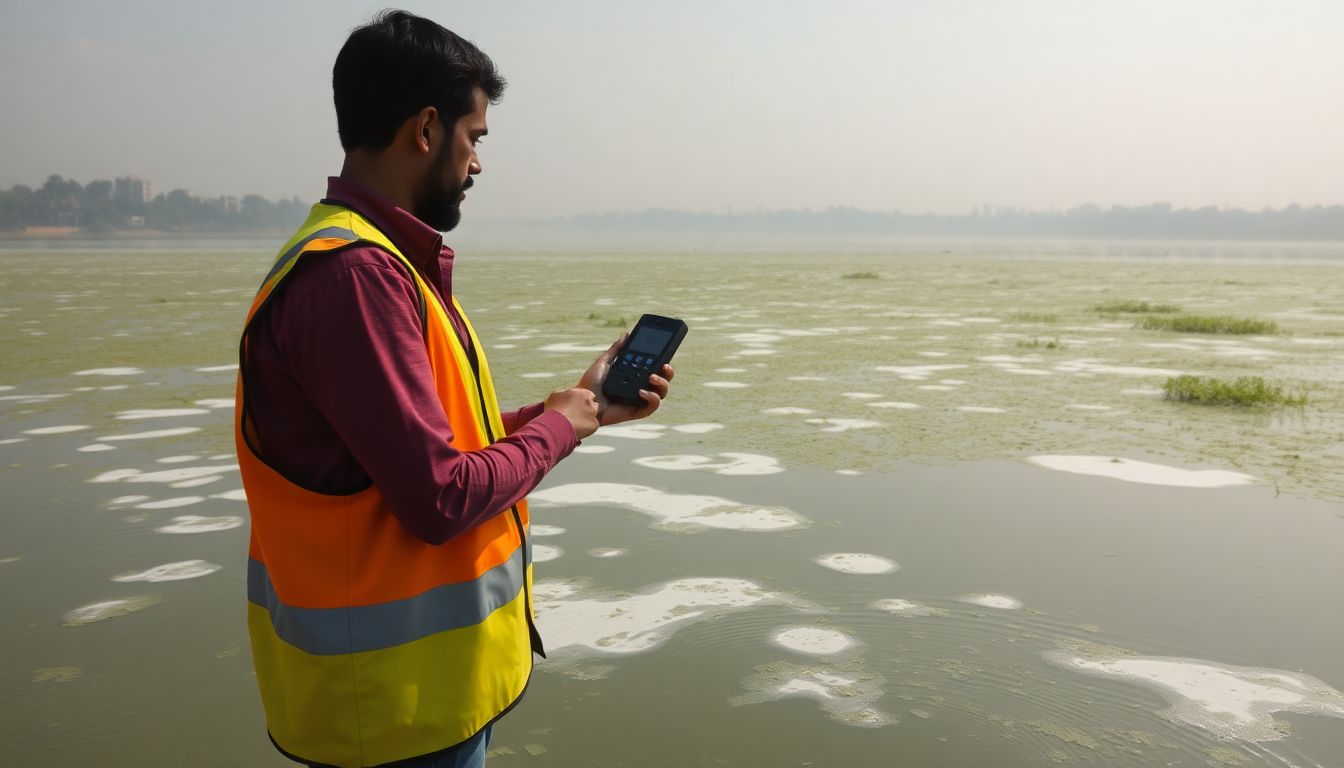
The Karnataka State Pollution Control Board’s (KSPCB) latest water quality assessment has revealed that several lakes in Bengaluru, including Dasarahalli Lake in T Dasarahalli, remain critically polluted. Despite multiple notices issued to civic agencies like the Bengaluru Water Supply and Sewerage Board (BWSSB) and the Bengaluru Development Authority (BDA) since January 2024, untreated sewage continues to flow into these waterbodies.
The latest monthly water quality report showed that Dasarahalli Lake continues to be classified under Class E, the worst water quality category under the Central Pollution Control Board (CPCB) guidelines. The lake's dissolved oxygen levels have remained below 2 mg/litre, which is the minimum required to sustain aquatic life. Additionally, the total coliform count at the lake was recorded at 13,000 MPN per 100 ml.
The pollution persists despite a series of regulatory interventions. In January 2024, the KSPCB issued a notice directing the BWSSB to rejuvenate Dasarahalli Lake. Later in 2024, following a notice from the National Green Tribunal (NGT), the board inspected the lake and found untreated sewage entering the eastern side of the waterbody from Peenya Industrial Area Phases I and II.
The inspection also revealed that sewage was entering from a stream flowing through the Jalahalli Air Force Station. Furthermore, officials found that the sewage treatment plant (STP) located adjacent to Dasarahalli Lake was completely non-functional. More than a year after these findings, the lake remains in severe distress.
A similar situation was recorded at Herohalli Lake, where the KSPCB had flagged critically low dissolved oxygen and high coliform bacteria in 2024. Although sewage from the eastern side was diverted to an STP, an inadequate earthen bund at the diversion point failed to prevent overflows during heavy rains. The latest data showed total coliform concentrations at Herohalli Lake remain above 2,000 MPN per 100 ml.
Other waterbodies in the city have shown similar neglect. In May 2024, the KSPCB issued a notice following a large-scale fish kill at Rachenahalli Lake, but the latest assessment shows little improvement. Similarly, Varthur Lake remains in the Class E category with dissolved oxygen levels below 2 mg/litre, after a breached diversion channel bund allowed sewage and plastic waste to enter the lake in October 2023.
While the KSPCB has directed the Greater Bengaluru Authority (GBA), BWSSB, and BDA to submit short-term and long-term action plans, city-based water quality experts have questioned the lack of enforcement. Under the Water (Prevention and Control of Pollution) Act, the KSPCB has the authority to penalise non-compliant agencies, but experts note these powers have not been effectively exercised.