KSPCB Tells NGT Traffic Emissions Drive Nitrogen Dioxide Levels Across Bengaluru
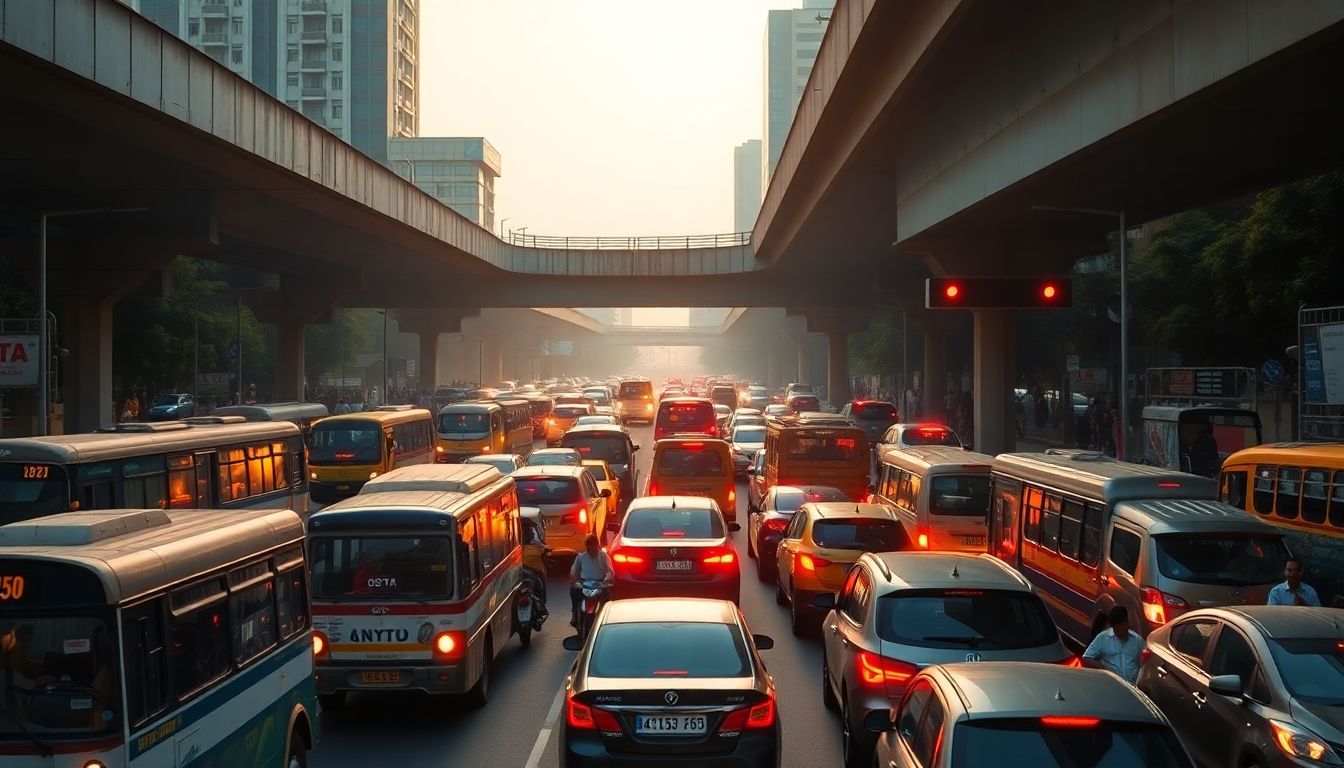
The Karnataka State Pollution Control Board (KSPCB) has informed the National Green Tribunal (NGT) that road traffic and vehicular emissions are the primary drivers of toxic nitrogen dioxide (NO2) pollution across Bengaluru, noting significant local variations at traffic hotspots throughout the city.
In an affidavit and report submitted to the southern bench of the tribunal, the state pollution board stated that NO2 concentrations can be curbed by decreasing the total volume of vehicles on the road network and shifting from conventional fuel-based automobiles to electric vehicles.
The regulatory response followed an NGT notice triggered by coverage of a December 2024 Greenpeace publication titled 'Beyond North'. The publication examined NO2 concentrations across seven major Indian cities, including Bengaluru, and highlighted vehicular traffic as the main contributor while recommending reduced vehicle counts and expanded public transport.
In response to the findings, the principal bench of the NGT constituted a joint committee comprising the Central Pollution Control Board (CPCB), the KSPCB, and the Union Ministry of Environment, Forest and Climate Change (MoEF&CC), with the CPCB serving as the nodal agency to assess the issue.
The KSPCB noted in its filing that broad mitigation steps are currently being implemented under the National Clean Air Programme (NCAP). These measures are being overseen at the highest administrative level in the state under the chairmanship of the Chief Secretary to the Government of Karnataka, in line with directions issued by the tribunal.
The board also maintained that nitrogen dioxide levels recorded across monitoring locations in Bengaluru remain within the limits set by the MoEF&CC under the National Ambient Air Quality Standards of 2009. Addressing the Greenpeace findings, the KSPCB explained that the NGO evaluated Bengaluru's air quality against the stricter advisory thresholds of the World Health Organization's Global Air Quality Guidelines.
The KSPCB told the tribunal that WHO guidelines serve as advisories, while national benchmarks account for background levels, socio-economic factors, and domestic scientific research. The CPCB is also currently reviewing the 2009 National Ambient Air Quality Standards to incorporate modern advancements in pollution monitoring.