KSPCB Claims No Sewage Enters Bengaluru Lakes, Drawing Conservationist Backlash
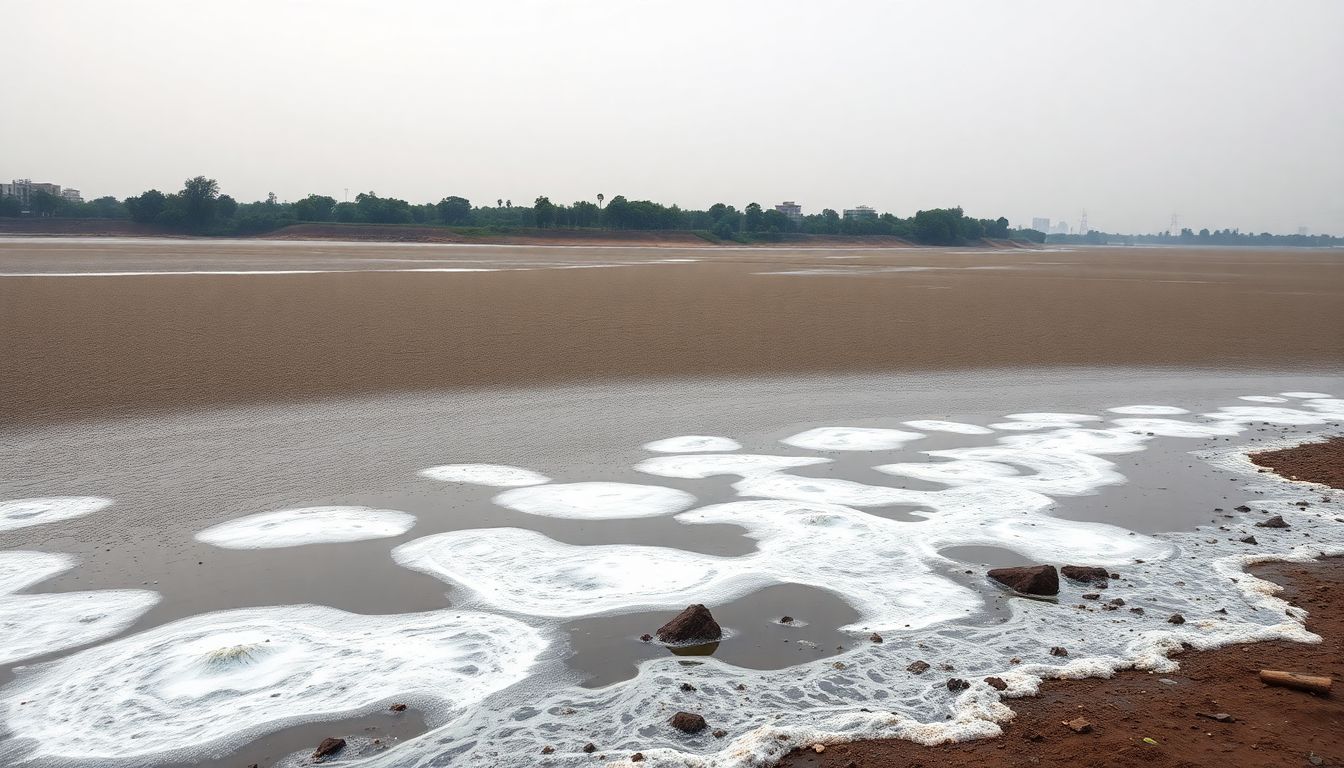
The Karnataka State Pollution Control Board (KSPCB) has submitted an affidavit to the National Green Tribunal (NGT) claiming that regulated entities are not discharging treated or untreated sewage into Bengaluru's lakes, a statement strongly disputed by lake conservationists pointing to the conditions of Byramangala, Nelagadaranahalli, and Shivapura lakes.
The KSPCB filed the affidavit following a notice from the NGT, which was issued in response to a Bangalore Mirror report. In its submission, the Board asserted that it only grants Consent for Establishment to projects and industries complying with state government guidelines regarding lakes and tanks.
The Board stated that it mandates the installation of sewage and effluent treatment systems for industries, apartments, commercial complexes, IT/BT units, hotels, and hospitals. Because of these requirements, the KSPCB claimed there is typically no discharge of treated or untreated sewage from these sectors into the city's water bodies.
According to the KSPCB, establishments are required to treat domestic sewage and industrial effluents to prescribed standards. The treated water must then be reused within their premises for secondary purposes like gardening, toilet flushing, cooling water makeup, and construction.
However, lake conservationists have challenged these claims, calling the affidavit misleading and contrary to ground realities. V Ramprasad, the founder of Friends of Lakes, highlighted that the current state of Byramangala, Nelagadaranahalli, and Shivapura lakes serves as clear evidence that untreated sewage continues to be discharged into surface water bodies by industries and commercial establishments.
In its submission, the KSPCB pointed to other civic and government agencies, stating that lakes and tanks in the city fall under the jurisdiction of the Bengaluru Development Authority (BDA), Bengaluru Water Supply and Sewerage Board (BWSSB), Greater Bengaluru Authority (formerly BBMP), and village panchayats. The Board argued these authorities must exercise their powers to protect and maintain the lakes.
The KSPCB informed the tribunal that it has issued notices to the GBA, BDA, and BWSSB, directing them to prevent polluted water from entering lakes. In response, Ramprasad urged the NGT to initiate punitive action against these civic agencies and ensure the "Polluter Pays Principle" is applied.