KRS Reservoir Releases More Water as Shiva Anaicut Hits Three Year Low
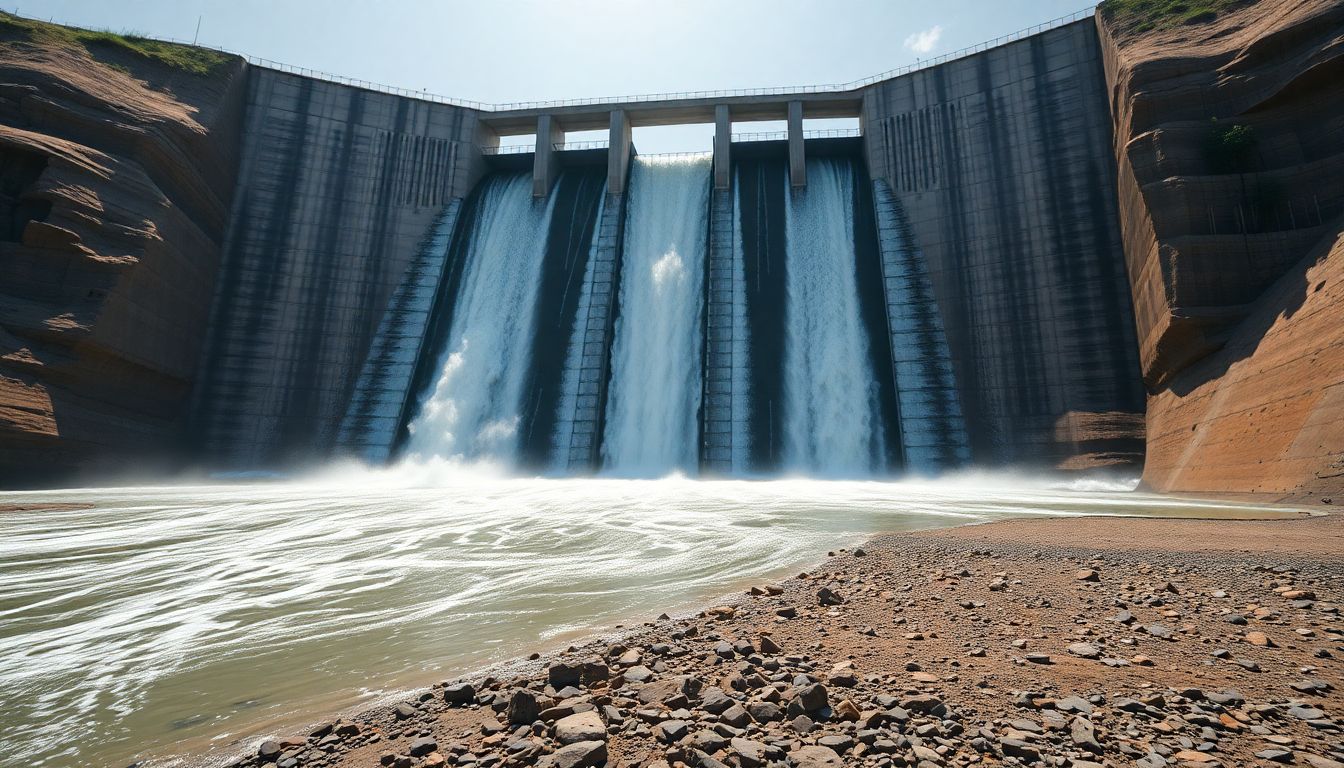
Water levels at the Shiva Anaicut reservoir near TK Halli in Malavalli dropped to their lowest level in three years on Friday morning, triggering a water scare for Bengaluru. To safeguard the drinking water supply for the city, which relies on this system for over 90 percent of its water, authorities were forced to drastically increase water releases from the Krishnaraja Sagar (KRS) reservoir.
Poor rainfall across the Cauvery catchment has sharply reduced inflows into the KRS reservoir. By Friday morning, the reservoir level had fallen to 81.04 feet, against a maximum level of 124.80 feet, with inflows of just 584 cusecs. In response, authorities increased releases from the KRS reservoir from 438 cusecs to 2,895 cusecs to maintain Bengaluru’s water supply.
The Shiva Anaicut serves as the critical starting point of Bengaluru’s Cauvery water supply system. Water released from the KRS and Kabini reservoirs flows downstream and is diverted at this anaicut. From there, it travels by gravity for 18 kilometres to the treatment plant at TK Halli. After filtration, massive booster stations pump the water uphill by 450 metres across a distribution network of 85 to 110 kilometres to reach homes on the Bengaluru plateau.
The Shiva Anaicut last witnessed such low levels during the third week of June 2023, when it dropped to 77 feet. The contrast with last year is stark; the reservoir currently holds nearly 40 feet less water than it did during the same period last year.
With June ending without the expected monsoon rainfall, officials warned that prolonged dry conditions could affect drinking water availability in Bengaluru, Mandya, and Mysuru if rainfall remains below normal in July. Irrigation from KRS can continue only until the reservoir level falls to around 74 feet, after which drinking water will take priority.
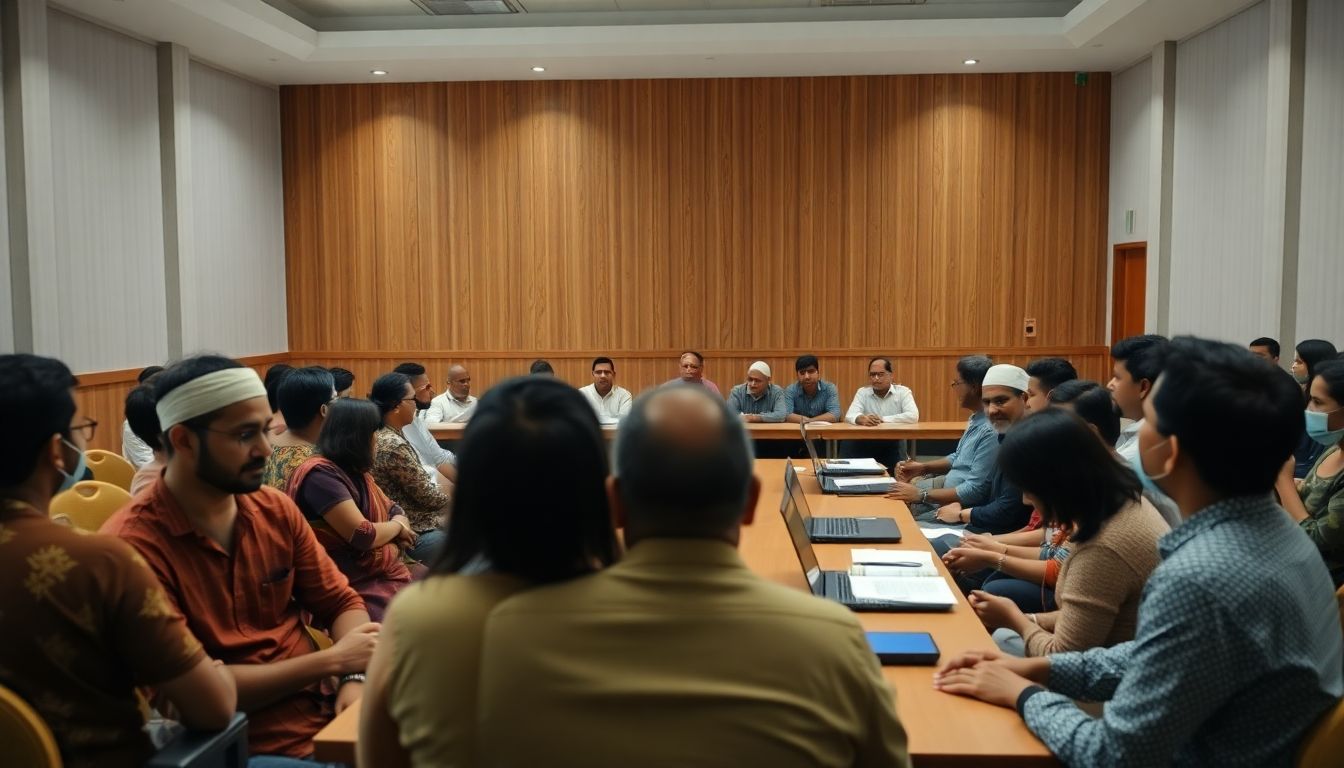
In response to the situation, Bangalore Water Supply and Sewerage Board (BWSSB) Chairperson N Manjula directed officials to activate precautionary measures. During a review meeting with zonal chief engineers, she assessed reservoir storage and water distribution.
Manjula also instructed officials to obtain a detailed scientific assessment from the Indian Institute of Science on groundwater availability and the condition of borewells across the city. Additionally, the BWSSB has been asked to examine alternative water sources, including drawing additional water from the Hemavathi and Kabini reservoirs, and to discuss regulating daily supply if the monsoon continues to underperform.