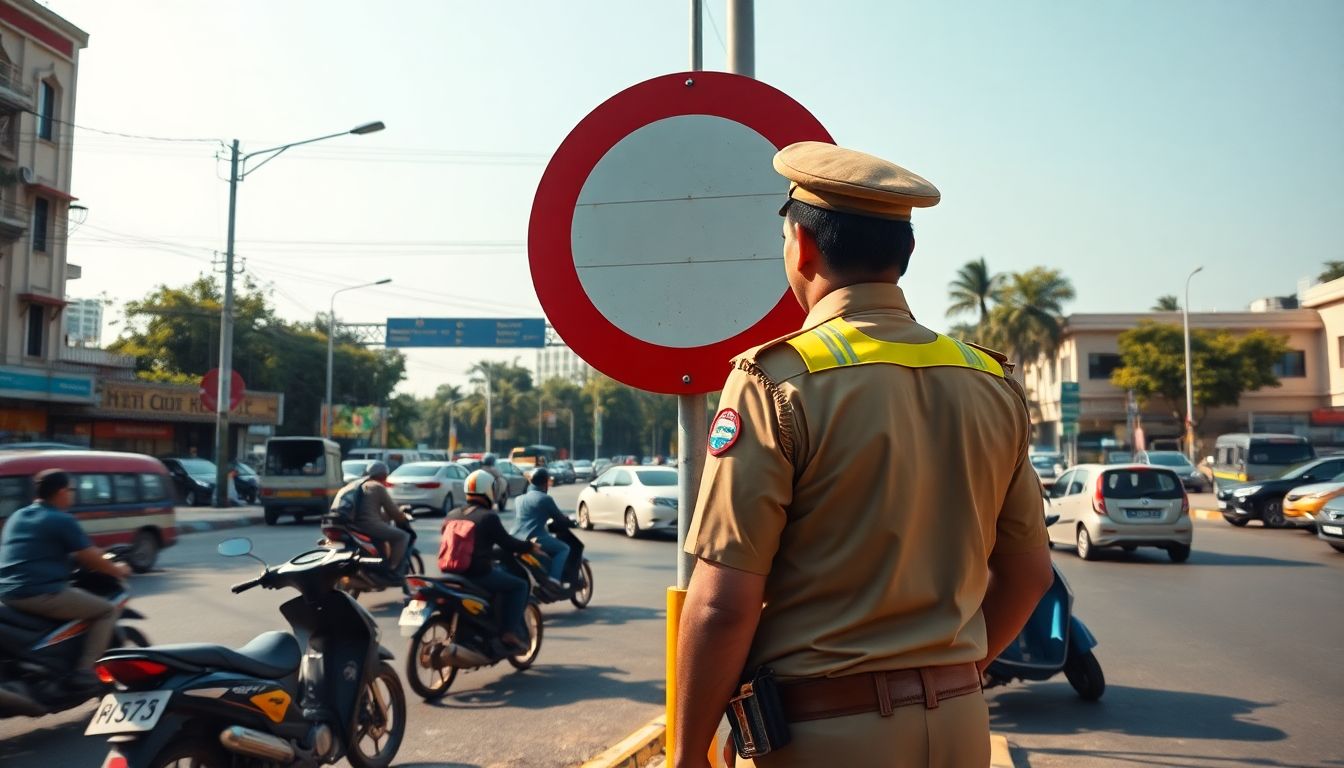
Krishna Byre Gowda Defends Bengaluru Tunnel Roads Citing Low Road-to-Land Ratio
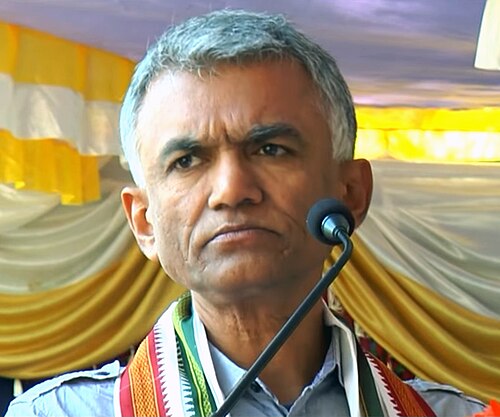
Defending the controversial north-south tunnel road and elevated road projects amid public opposition, Greater Bengaluru Development Minister Krishna Byre Gowda stated on Thursday, August 13, 2026, that Bengaluru does not have enough space to handle its growing traffic and that large-scale road widening is no longer realistic.
Speaking at an interactive programme with readers, Mr. Gowda noted that Bengaluru currently has a road-to-land ratio of about 13%, compared to an ideal level of 17% to 18%. He explained that the shortage is especially acute in newer parts of the city, where decades of illegal layout development left inadequate space for street networks.
With Bengaluru home to approximately 1.5 crore vehicles and a population of 1.5 crore, Mr. Gowda argued that expanding road capacity is unavoidable even alongside significant public transport investments. He noted that because widening existing roads at scale is not feasible, the government must look at building vertically, either underground or overhead.
The minister addressed concerns regarding narrow and deteriorating road conditions across stretches such as Varthur Kodi-Dommasandra, ITPL Main Road, and Bannerghatta Road, where residents have flagged difficulties for school children, senior citizens, and daily commuters. While acknowledging that existing damaged roads must be repaired, he emphasized that the fundamental lack of road space presents a far larger challenge.
Mr. Gowda stated that while the government halted illegal layout formations in 2024, the lasting impact of past developments remains. This historical deficit in road space makes elevated roads and tunnels necessary on heavily congested corridors.
Responding to calls for prioritizing mass transit over road expansion, Mr. Gowda highlighted plans to expand the Metro network to 170 km by the end of 2027, develop 148 km of suburban rail by 2030, and add 4,500 buses to the Bangalore Metropolitan Transport Corporation fleet. However, he maintained that these additions cannot serve as a complete substitute for added road capacity, pointing out that Bengaluru holds the highest vehicular population in the country.
He added that horizontal road expansion remains constrained by surrounding residential and commercial properties, noting that road-widening projects frequently encounter strong resistance from property owners facing acquisition.