Kidwai Memorial Institute in Bengaluru starts weekly sound therapy for cancer patients
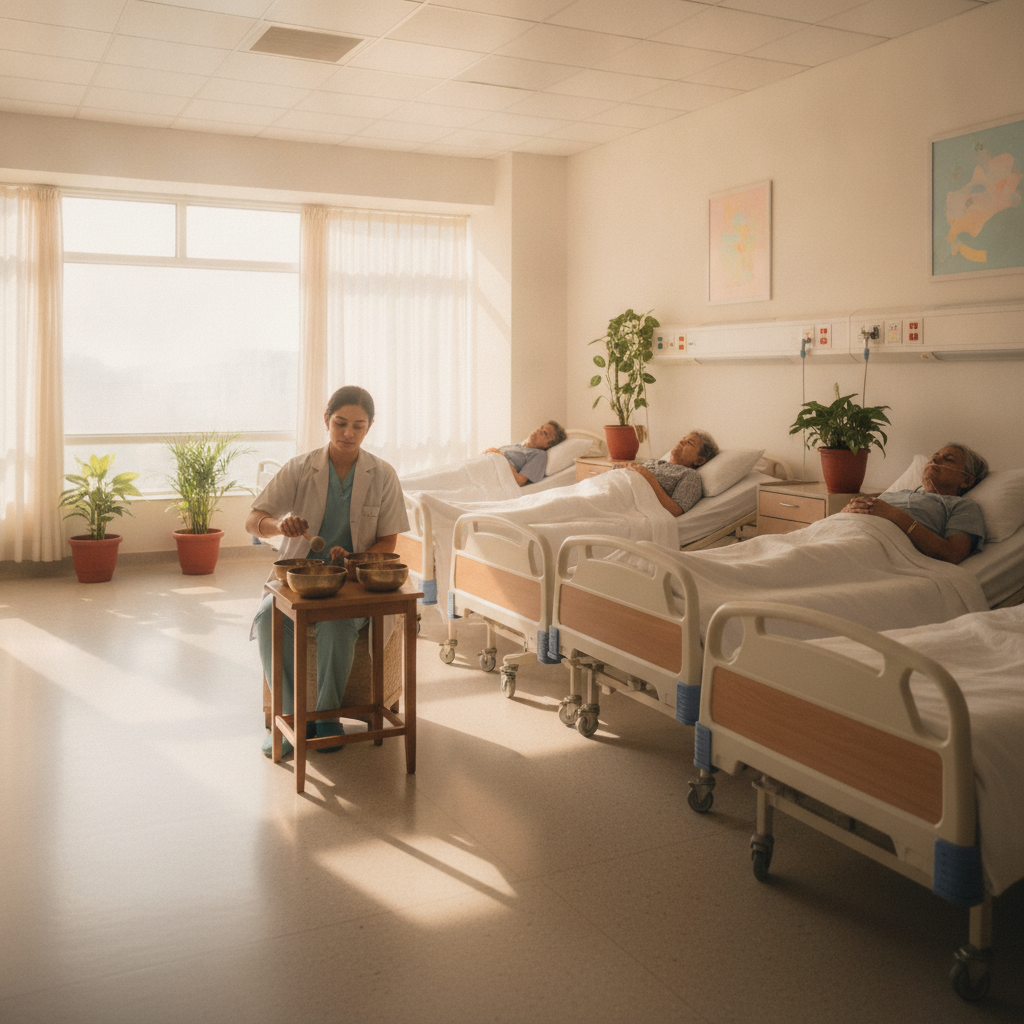
The Department of Pain and Palliative Medicine at the State-run Kidwai Memorial Institute of Oncology in Bengaluru has introduced weekly sound therapy sessions to help palliative care patients and their caregivers cope with the emotional and psychological challenges of serious illness. The sessions, held every Thursday, aim to reduce treatment-related anxiety and stress by providing mental and emotional well-being.
The one-hour sessions are conducted directly within the palliative care wards by professional sound therapist Janakiraman. This setup allows even patients with limited mobility to participate. The therapy utilizes instruments such as chakra bowls, flute, veena, and gentle vocal sounds to produce specific frequencies and soothing vibrations, helping patients shift their minds from stress to a state of calmness.
Several patients have reported positive outcomes from the initiative. Gulnaz Begum, a 78-year-old Bengaluru resident suffering from pancreatic carcinoma, said she feels more relaxed and peaceful after each weekly session. Similarly, 70-year-old Basappa R. from Raichur, who is battling Hepatocellular carcinoma, noted that the sessions provide a welcome break from the anxieties associated with his treatment and help take his mind away from his disease.
In addition to the sound therapy, the department has introduced one-hour yoga classes every Wednesday. Led by yoga therapist Smitha M., these sessions focus on gentle movements, breathing exercises, and relaxation techniques tailored to the needs of the patients and their families.
Yadhuraj M.K., head of the Department of Pain and Palliative Medicine, emphasized that these complementary therapies are meant to supplement, not replace, clinical care. He noted that patients with advanced cancer often experience fear, loneliness, and emotional distress, and these interventions help create comfort within the hospital environment.
Naveen T., Kidwai director (additional charge), added that cancer care extends beyond medicines and procedures. He stated that addressing the emotional, psychological, and social needs of patients is crucial for their overall well-being.