KERC Proposes Mandatory EV Chargers for 5,000 Sq Ft Buildings Across Karnataka
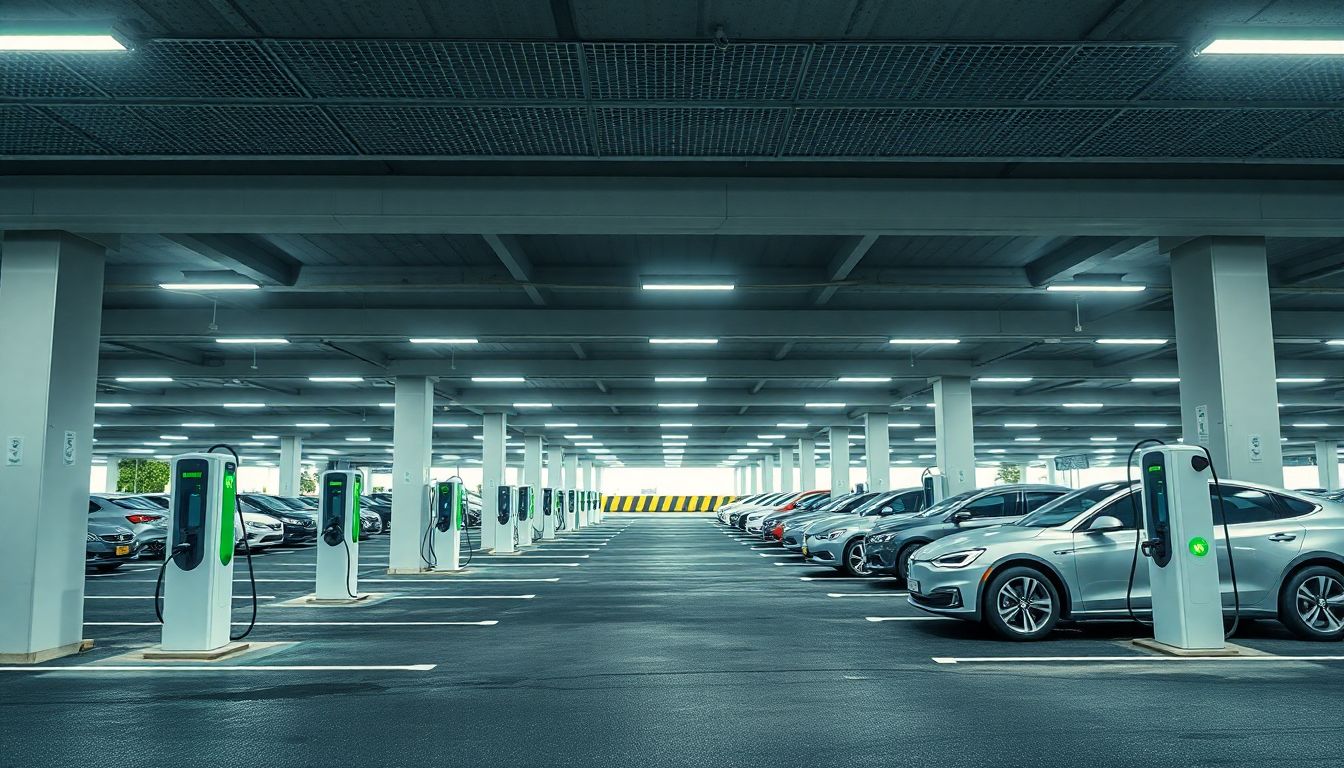
The Karnataka Electricity Regulatory Commission has proposed new draft regulations mandating that large buildings across urban centres, including Bengaluru, install electric vehicle charging stations. Under the draft Karnataka Electricity Regulatory Commission (Electricity Supply) Regulations, 2026, any building situated within the jurisdiction of an urban development authority or municipal corporation that occupies an area of 5,000 square feet or holds a sanctioned electrical load of 250 kVA must provide at least four dedicated charging stations capable of powering four-wheelers.
The draft rules require building developers and property owners to earmark dedicated space for EV charging during the planning and construction phases. The measure is designed to allow residents, workers, and visitors to charge their vehicles on-site rather than relying on public charging infrastructure, supporting the steady rise in electric vehicle adoption across the state.
To address persistent consumer grievances regarding delays in obtaining electricity connections, the commission has proposed binding timelines for power distribution utilities, including BESCOM and MESCOM. Under the proposed framework, power utilities will be required to process applications and release connections within specified periods, removing the need for consumers to make repeated visits to local offices.
The regulatory commission has also incorporated a consumer compensation mechanism for service failures. Under this provision, distribution companies will be required to resolve issues such as power outages, billing disputes, and the replacement of faulty meters within set deadlines. If a utility fails to act within the prescribed time, it could be penalised or ordered to pay direct compensation to the affected consumer.
In addition, the regulations introduce reforms to the management of security deposits. The draft stipulates that annual interest accrued on a consumer's security deposit must be calculated transparently and adjusted automatically against their electricity bill in April or May each year, eliminating the requirement for customers to file individual claims.
The draft framework further allows consumers, residential apartment complexes, and industrial units to purchase green power generated from renewable sources, such as solar and wind, under a separate tariff structure. For newly developed layouts, the rules mandate the installation of underground electricity cable networks to curb outages and accidents caused by heavy rain, severe winds, and falling trees.
An official stated that the combined measures reflect the commission's push towards building a more reliable, transparent, and consumer-oriented power system, while readying Karnataka's electricity distribution network for increased renewable energy and electric vehicle usage.