KERC Draft Proposes Escoms Must List Power Cuts on Electricity Bills
The Karnataka Electricity Regulatory Commission has published the draft Electricity Supply Regulations, 2026, proposing that electricity supply companies across the state must record the frequency and total duration of power interruptions directly on consumer electricity bills.
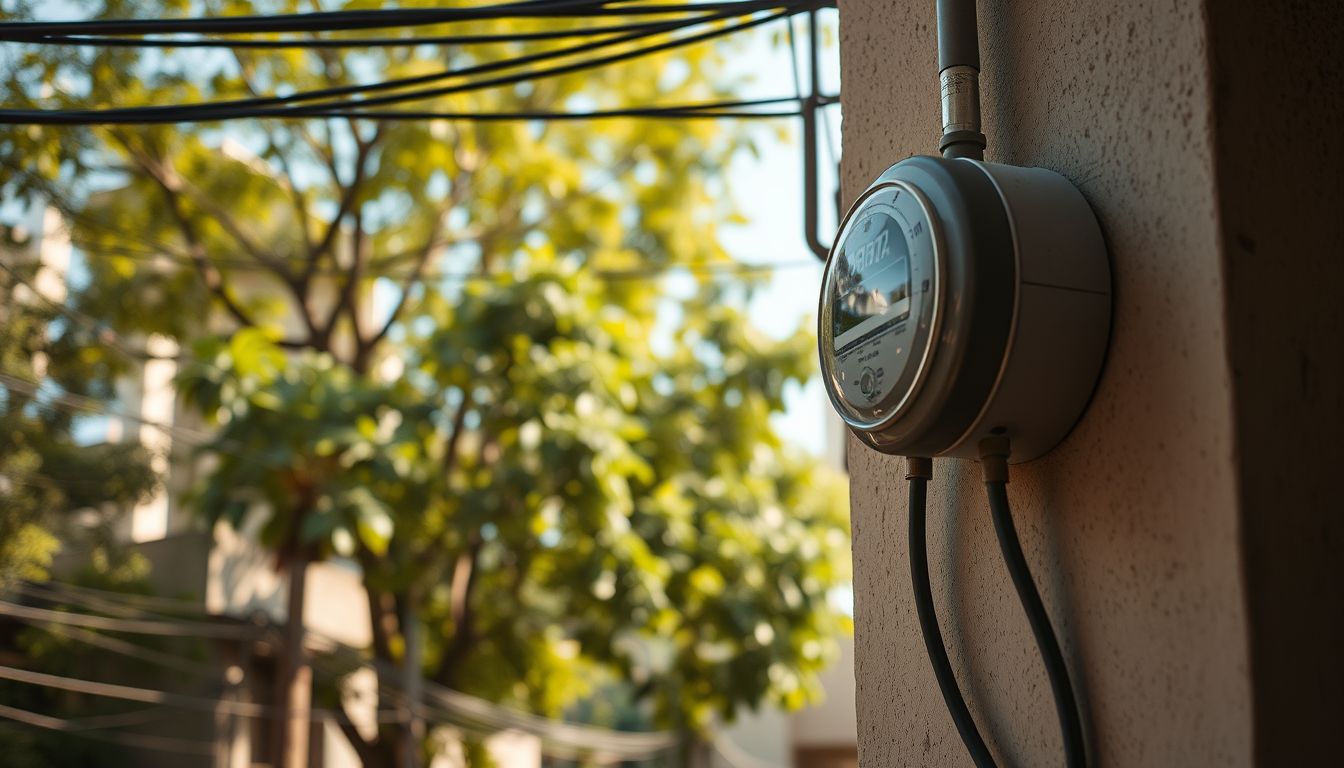
Under the proposed rules, Escoms will be required to display the number of power interruptions and the total hours of outages on bills, specifically for electricity meters equipped with Automated Meter Recording facilities. In addition to physical bills, the distribution companies must also publish this outage data on their websites.
According to a KERC official, the change addresses ongoing consumer complaints where supply companies have previously denied that interruptions occurred. The commission stated that it will examine outage data going forward and may consider regulations next year allowing consumers to withhold bill payments if power cuts exceed specified limits.
The draft regulations also propose simplifying the process for obtaining new power connections across Karnataka. Consumers seeking low tension connections with loads of up to 150 KW would be permitted to use self-certification rather than hiring a contractor. Furthermore, the mandatory formal agreement previously required between consumers and Escoms will be treated as a simplified declaration.
To increase transparency, all new connection applications will move entirely online, eliminating physical submissions. The draft proposes implementing Aadhaar-based e-KYC authentication, which will require applicants to attach property ownership documents or lease agreements digitally.
The regulator has also set strict timelines for energising new connections where no network extension or installation of new lines and cables is needed. Power supply must be provided within three working days in metropolitan areas, seven working days in municipal areas, and 15 working days in rural areas.
Additionally, the draft includes provisions governing areas with multiple distribution licensees, allowing operators to set appropriate tariffs within maximum ceilings approved by the commission. Stakeholders and members of the public have been invited to submit comments, suggestions, and objections on the draft regulations before September 16.