Karnataka to Launch ₹27-Crore Cloud Seeding Drive Across Four Divisions
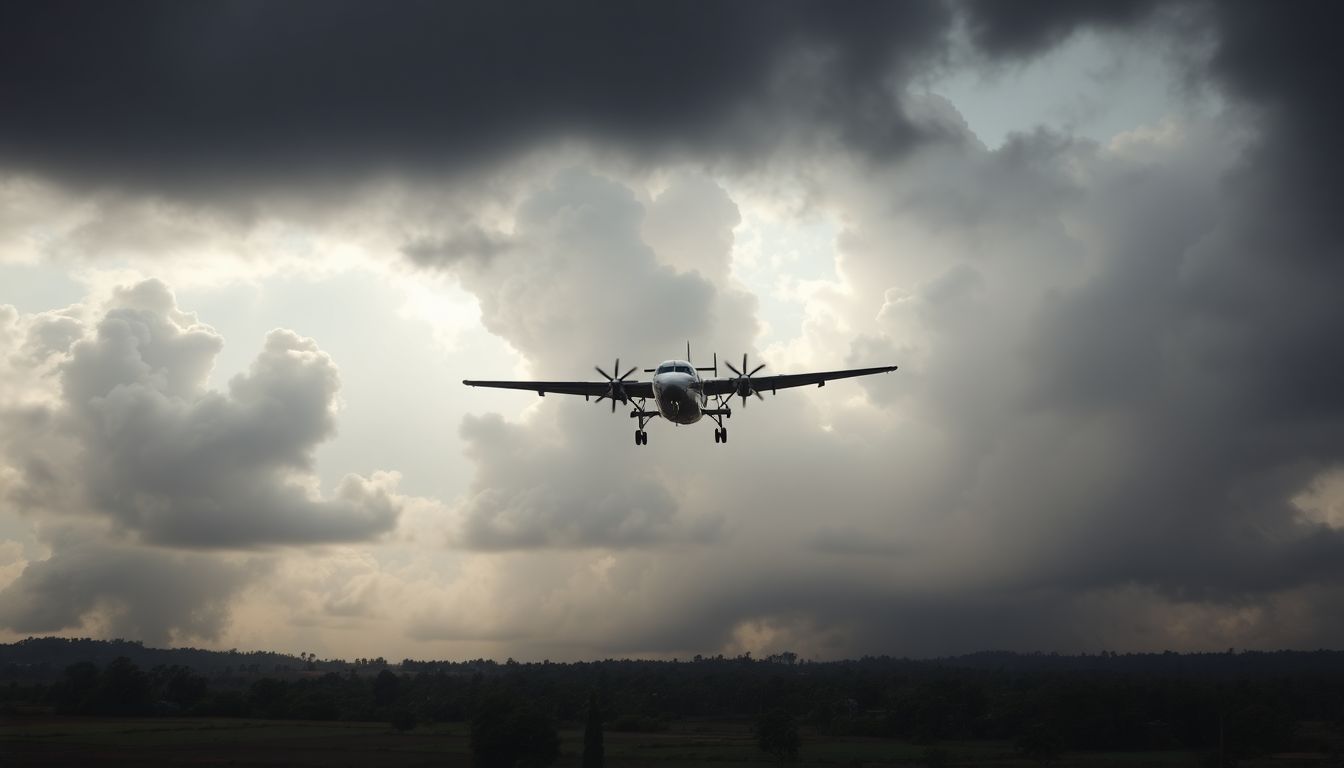
The Karnataka government is set to launch a ₹27-crore cloud-seeding initiative to pre-empt water scarcity across the state following a deficit monsoon. Technical and administrative clearances for the project were cleared on Tuesday, with flight operations expected to commence within three days.
Announcing the details in Bengaluru, Major Irrigation Minister N. Cheluvarayaswamy stated that the exercise will involve 200 flying hours spread across 60 days. Operations will target areas with dense cloud formations and will be carried out daily between 8 a.m. and 6 p.m.
Minister Cheluvarayaswamy explained that September provides the most optimal window for cloud seeding due to the presence of thick cloud cover, which is essential for effective seeding. Cloud volume across the region generally witnesses a sharp decline by October.
The initiative will cover all four revenue divisions of Karnataka. Seeding aircraft are scheduled to induce precipitation within an estimated 15-kilometre radius of target areas, with flight paths dynamically routed according to real-time atmospheric conditions and cloud density.
While some rainfall has been recorded across parts of the state, weather forecasts indicate an absence of sustained monsoon activity, prompting the administration to undertake artificial precipitation measures.
Karnataka has previously conducted cloud-seeding operations on three occasions, recording an average success rate between 18% and 20%. For the upcoming exercise, the state has set an enhanced target of achieving a 30% success rate.
To ensure systematic execution, the state government has set up three distinct committees. A monitoring committee headed by the Additional Chief Secretary to the Water Resources Department will oversee governance, policy implementation, and inter-departmental coordination. A technical committee featuring experts and scientists from the Indian Institute of Science (IISc), the Indian Institutes of Technology (IIT), and the India Meteorological Department (IMD) will handle radar tracking and meteorological parameters. Additionally, a field operation and evaluation committee will manage daily flight sorties, dispersal protocols, and assess ground-level rainfall impact.