Karnataka school electricity coverage reaches 98.3 percent, NITI Aayog report reveals
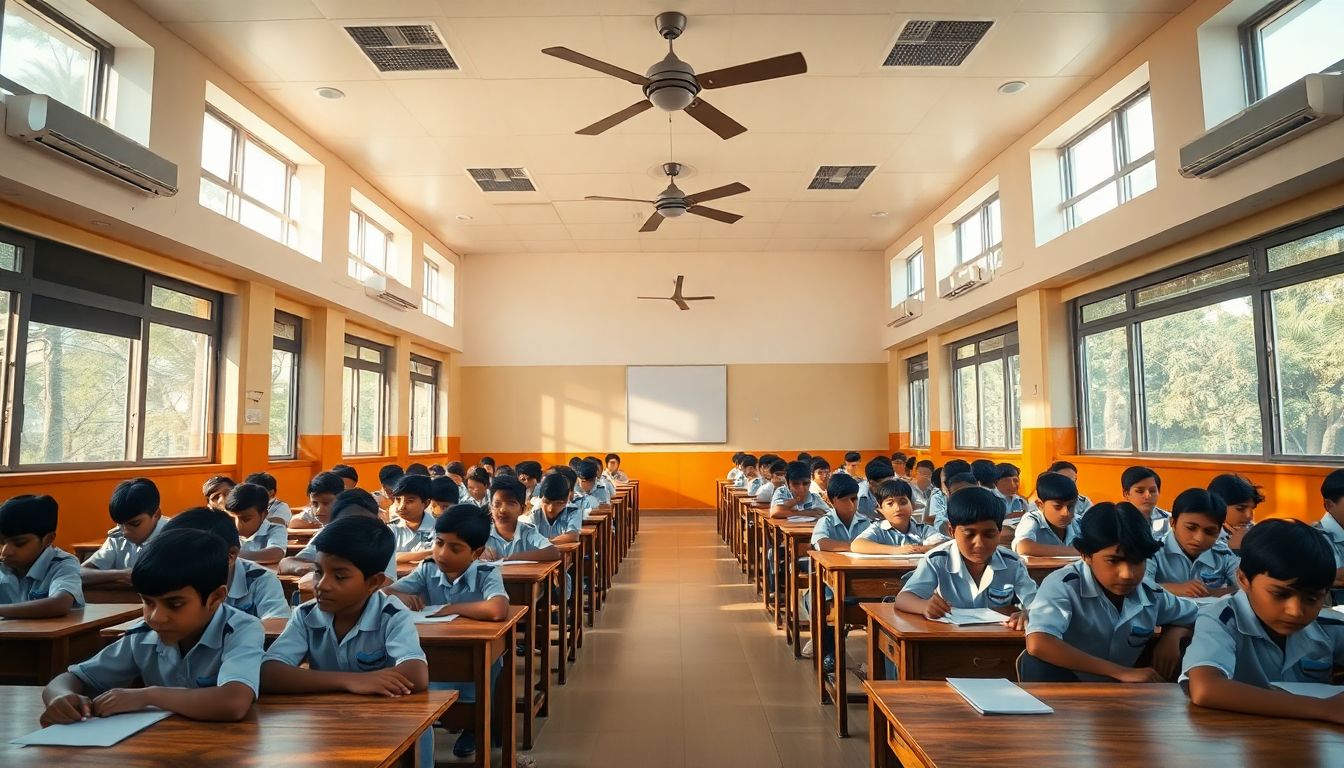
Karnataka has improved its school electricity coverage to 98.3% over the past decade, placing it among the top-performing states nearing universal school electrification, according to a report by NITI Aayog. The findings, which highlight significant infrastructure development across Bengaluru and the rest of the state, show an increase from the 96.5% electrification rate recorded in 2014-15.
The NITI Aayog report, titled ‘School Education System in India: Temporal Analysis and Policy Roadmap for Quality Enhancement’, noted that electricity is a critical component of school infrastructure. It supports classroom lighting, ventilation, digital learning tools, and uninterrupted teaching during extreme weather conditions.
Nationally, electricity coverage in schools improved significantly from 55.96% in 2014-15 to 91.9% in 2024-25. While several states and Union Territories have achieved complete electrification, NITI Aayog cautioned that nearly 7% of schools across India still remain without power, emphasizing the need to bridge last-mile gaps.
To address the remaining gap in Karnataka, SK Mahadev, Electrical Engineer and CSR Coordinator at the Karnataka Residential Educational Institution Society (KREIS), suggested implementing the PM Surya Ghar Muft Bijli Yojana in government schools. He proposed using the Renewable Energy Service Company (RESCO) model.
Under the RESCO model, a private developer installs, owns, operates, and maintains a rooftop solar power system. The school then pays only for the electricity consumed at a pre-agreed tariff. Mahadev stated this would eliminate upfront government investment, ensure professional maintenance, and allow schools to redirect savings toward upgrading digital infrastructure and internet connectivity.
Dr HS Nagaraja, Founder and Chief Mentor of the Prayoga Institute of Education Research, highlighted that the National Education Policy places a strong emphasis on experiential learning. He noted that electrification would allow science learning through laboratories to happen much better, giving even the remotest village schools access to impactful science education.