Karnataka Reports 59 Heatstroke Cases as High Night Temps Concern Bengaluru Experts
Karnataka recorded 59 heatstroke cases between March and July this year, according to recent data tabled in the Lok Sabha. While the state ranked third among southern states, experts in Bengaluru warned that elevated night-time temperatures across the city and state pose a more critical health risk by preventing the human body from recovering from daytime heat exposure.
Data tabled in Parliament showed Telangana recorded the highest number of heatstroke cases in the region with 915, followed by Andhra Pradesh with 540. Kerala reported 19 heatstroke cases with no deaths, while Tamil Nadu recorded two cases.
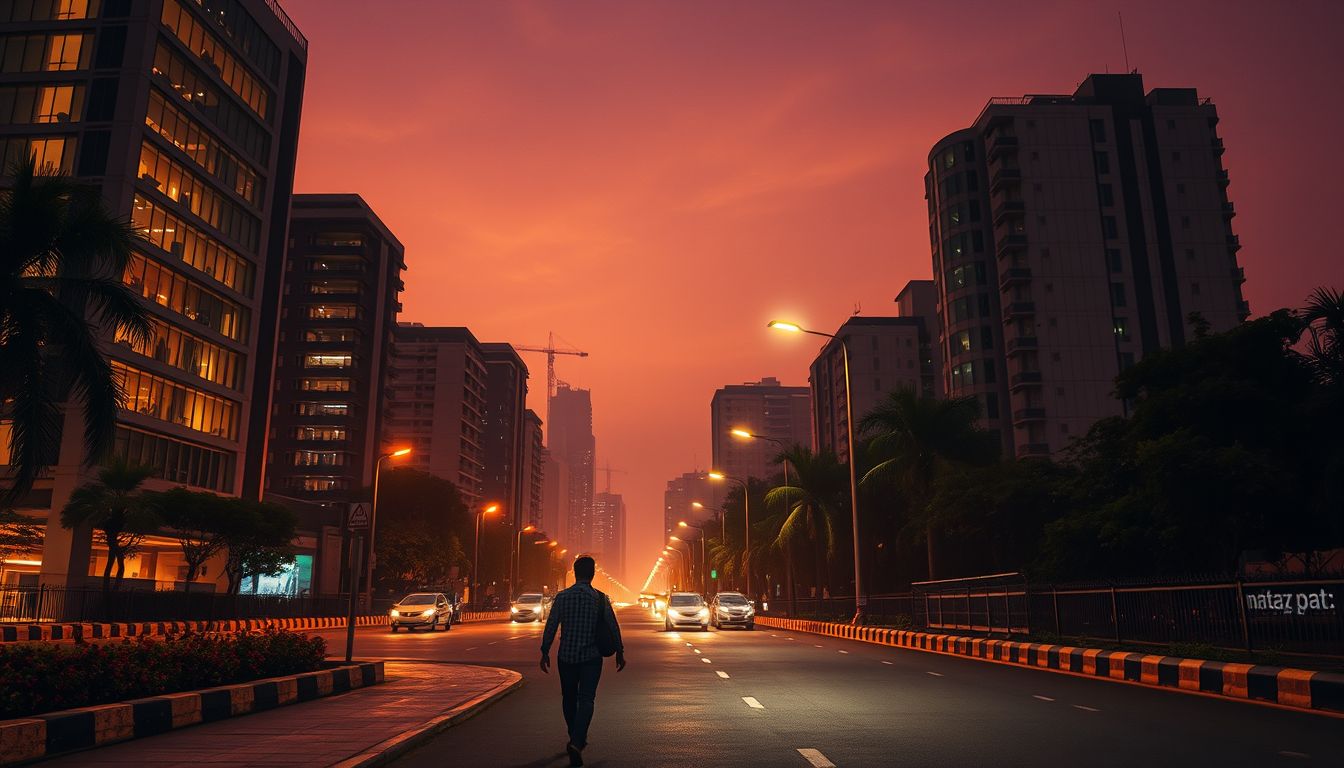
Experts noted that Karnataka's total of 59 cases should not be viewed as unusually high, as the state did not experience prolonged spells of extreme daytime heat this summer. However, persistently high night-time temperatures recorded in Bengaluru and other parts of Karnataka emerged as a key concern for public health officials.
"Night-time temperatures have remained above normal in Bengaluru and in some parts of Karnataka. Higher moisture or water vapour in the atmosphere can prevent the temperature from falling significantly at night. This reduces the body’s opportunity to recover from the heat accumulated during the day," said CS Patil, a senior scientist at the India Meteorological Department (IMD) at the Meteorological Centre in Bengaluru.
Patil pointed to the urban heat island effect as a major driver of Bengaluru's warming climate. The city previously had significantly more vegetation and open spaces, but large areas of green cover and water bodies have declined and been replaced by concrete structures, roads, and built-up surfaces that absorb and retain heat.
At the local level, rapid urbanisation continues to intensify the heat island effect, raising future risks of heat-related illnesses. Globally, long-term temperature increases were attributed to greenhouse gas emissions from transport and industry, as well as methane emissions from paddy cultivation and open burning of garbage and plastic.
To mitigate health risks, experts stressed preventive measures, particularly for outdoor workers. Recommendations include avoiding outdoor activities between 11 am and 3 pm, shifting work to early morning or evening hours, maintaining adequate water intake, and consuming nutritious food. The Ministry of Health and Family Welfare has also been implementing measures under the National Action Plan on Heat Related Illness through the National Programme on Climate Change and Human Health.