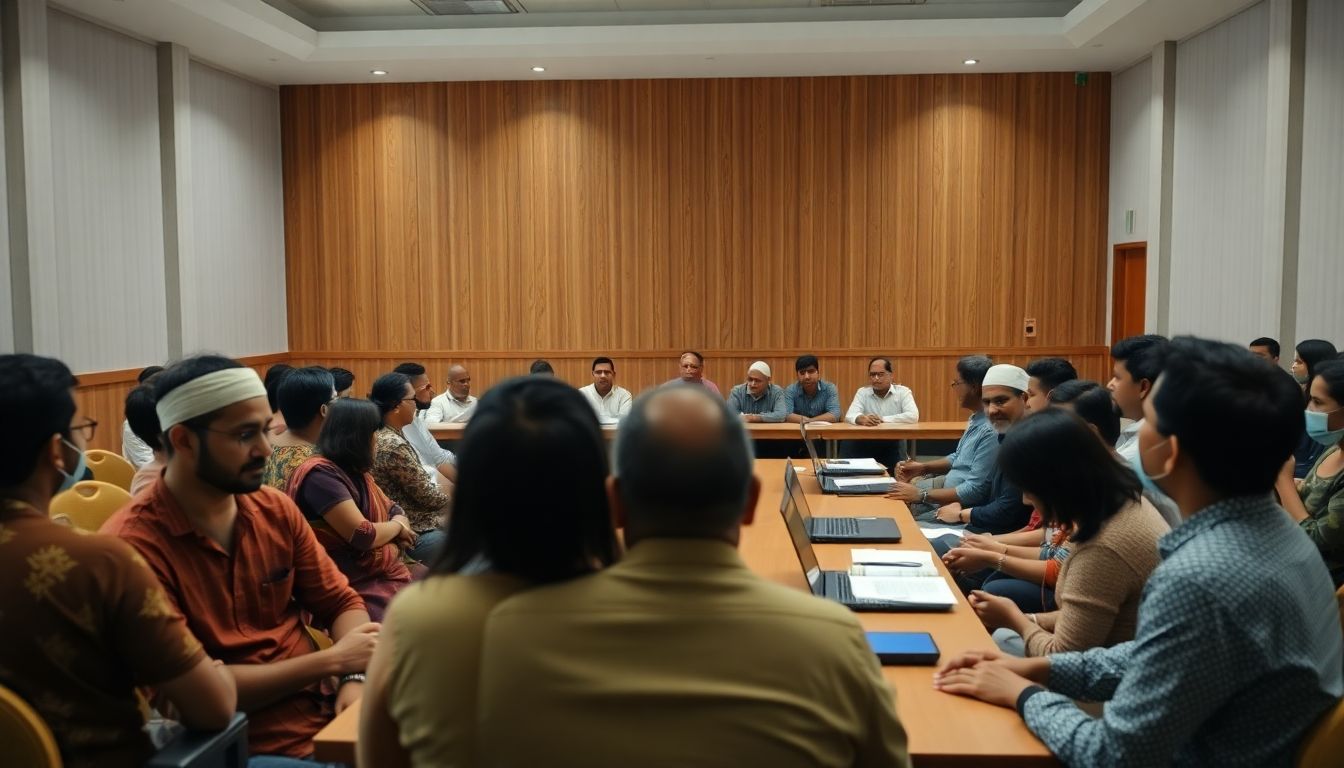
Karnataka Records Over 3.09 Crore Teleconsultations on eSanjeevani Platform
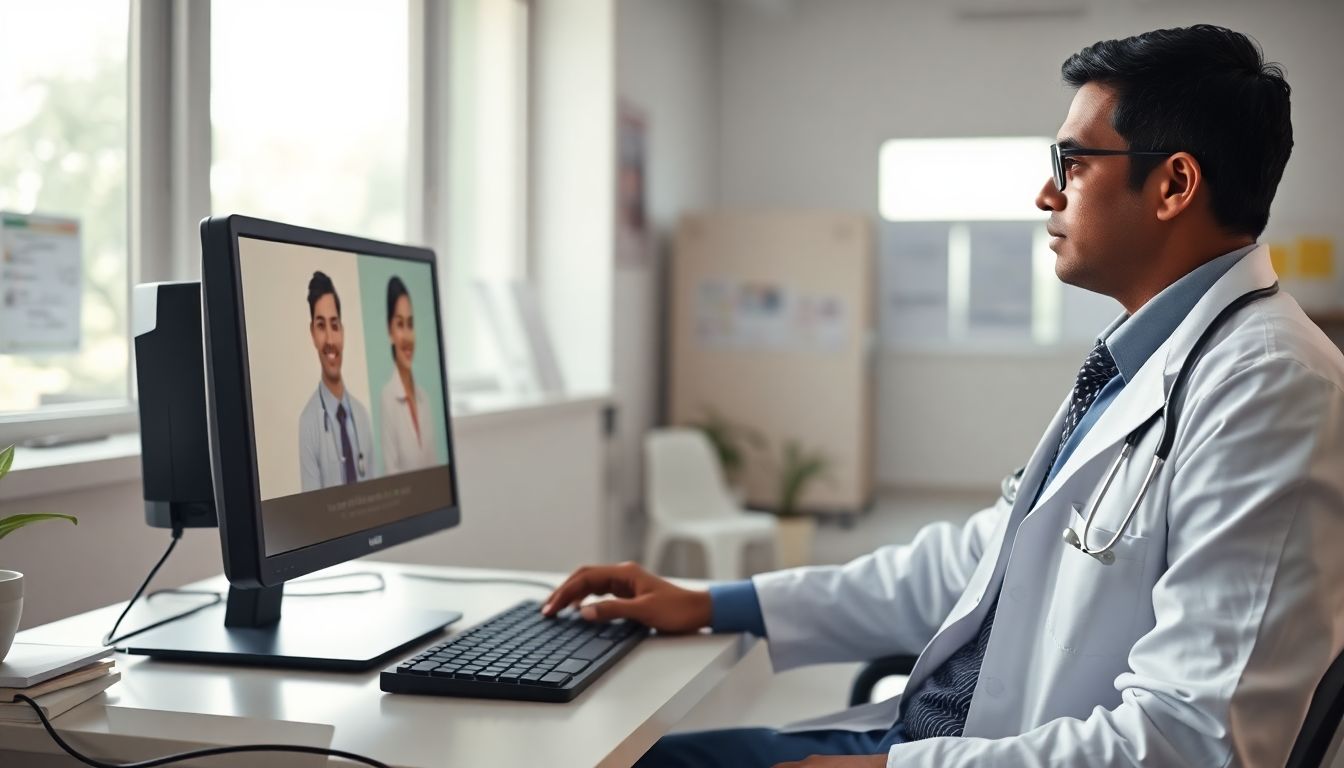
Karnataka has recorded more than 3.09 crore teleconsultations through the national telemedicine platform eSanjeevani, making the state one of the country's leading users of digital healthcare services. The data was presented by the Union Health Ministry in the Lok Sabha in response to a question raised by Bengaluru Rural MP Dr CN Manjunath regarding the utilisation and effectiveness of telemedicine for non-communicable diseases.
According to the official figures, Karnataka registered a total of 3,09,28,829 teleconsultations under the initiative. Of these, 2,55,16,332 consultations were conducted through eSanjeevani Ayushman Arogya Mandirs, while 54,12,497 consultations took place via the eSanjeevani OPD platform.
To facilitate the service, the state operates a network of 2,087 eSanjeevani hubs and 6,409 operational spokes. These facilities include primary health centres, community health centres, Ayushman Arogya Mandirs, sub-district hospitals, and district hospitals, linking patients in rural and underserved areas directly with specialists.
Nationally, the eSanjeevani platform has facilitated more than 48.95 crore teleconsultations through 19,257 hubs and 1,41,341 spokes across various states and Union Territories. Among other top participants, West Bengal recorded 8.64 crore consultations, Andhra Pradesh logged 8.59 crore, Tamil Nadu registered 7.41 crore, and Uttar Pradesh completed 7.10 crore. Telangana and Bihar recorded 3.37 crore and 3.28 crore consultations, respectively.
Healthcare experts noted that reliance on telemedicine has expanded significantly in recent years. Dr Haleema Yezdani, a teleconsultation expert, explained that post-pandemic adoption has made remote consultation an accepted first point of contact for medical care.
Dr Yezdani noted that primary health centres serve as the first point of contact, where local healthcare staff connect patients virtually to medical specialists in Bengaluru or district hospitals. She highlighted that this hub-and-spoke model supports the management of conditions such as diabetes, hypertension, cardiology, paediatrics, and mental health while cutting travel costs and specialist shortages.
However, experts cautioned that telemedicine cannot replace in-person diagnosis when physical examinations—such as listening to the heart and lungs or examining the abdomen—are required. Severe emergencies including chest pain, major trauma, acute bleeding, or suspected sepsis require immediate physical assessment.