Karnataka Records 18.1% Secondary School Dropout Rate Amid Teacher Shortages
Karnataka recorded a secondary-school dropout rate of 18.1% in the 2025–26 academic year, the highest among all Indian states and nearly double the national average of 9.5%, according to the latest Unified District Information System for Education (UDISE+) data.
More than 20.4 lakh students were enrolled in Classes 9 and 10 across all school managements in the state during that academic year. State government figures also identified 8,344 out-of-school children aged 6 to 14 this academic year, an increase from 6,123 recorded in the previous year.
The high dropout figures coincide with persistent systemic challenges, including heavy workloads on regular faculty, inadequate infrastructure, and widespread reliance on temporary staffing. As of December 2025, 57,724 teaching posts were vacant in government schools across Karnataka, according to data presented in the Legislative Assembly. To bridge the deficit, the state approved the engagement of 51,000 guest teachers as an interim measure and initiated recruitment for 15,000 permanent teachers, prioritizing the Kalyana Karnataka region.
Staff shortages remain concentrated in rural schools. UDISE+ data indicates that the state had 8,042 single-teacher schools in 2025–26. A 2021–22 Comptroller and Auditor General of India report previously showed that 6,239 of Karnataka's 6,616 single-teacher primary schools were located in rural jurisdictions. In Kalyana Karnataka alone, 694 out of 9,148 government schools currently operate without any permanent government teacher.
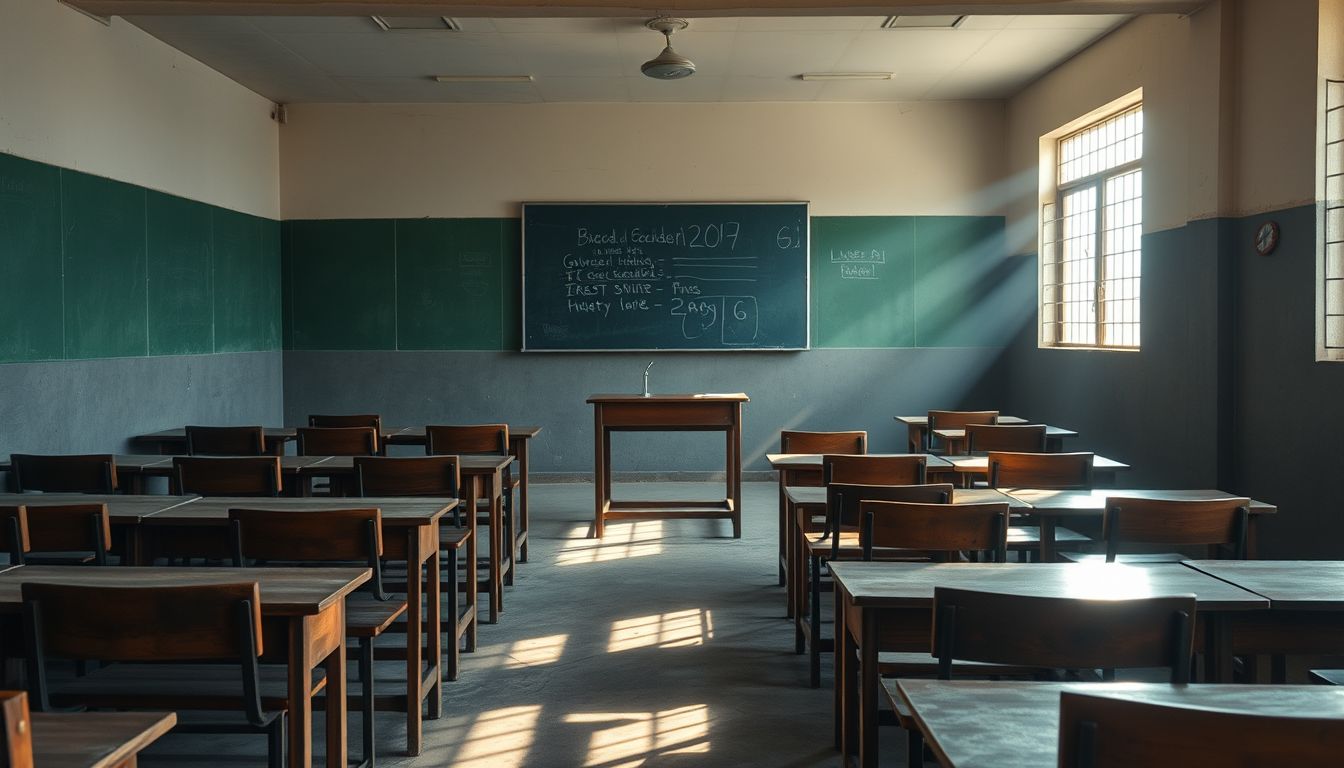
In several rural primary schools, such as the government lower primary school in Meerapur near Raichur, shortages of permanent teachers and facilities hinder foundational learning. The Meerapur school accommodates around 40 students across Classes 1 to 5 in a single classroom managed by two guest teachers, without permanent staff, safe drinking water, or toilets. Under Karnataka's Right to Education rules, students completing Class 5 must travel eight kilometres to Jegarkal to continue Class 6 studies, exceeding neighbourhood-school limits.
Educators and district officials point out that guest teachers receive limited foundational literacy and numeracy training, typically restricted to one week per year, and experience administrative delays, including unpaid wages for months. Block and district education officers do not monitor school-level hiring or evaluate the performance of temporary staff, compounding learning deficits across government institutions.