Karnataka Ranks Second Nationally With 6,805 EV Charging Stations
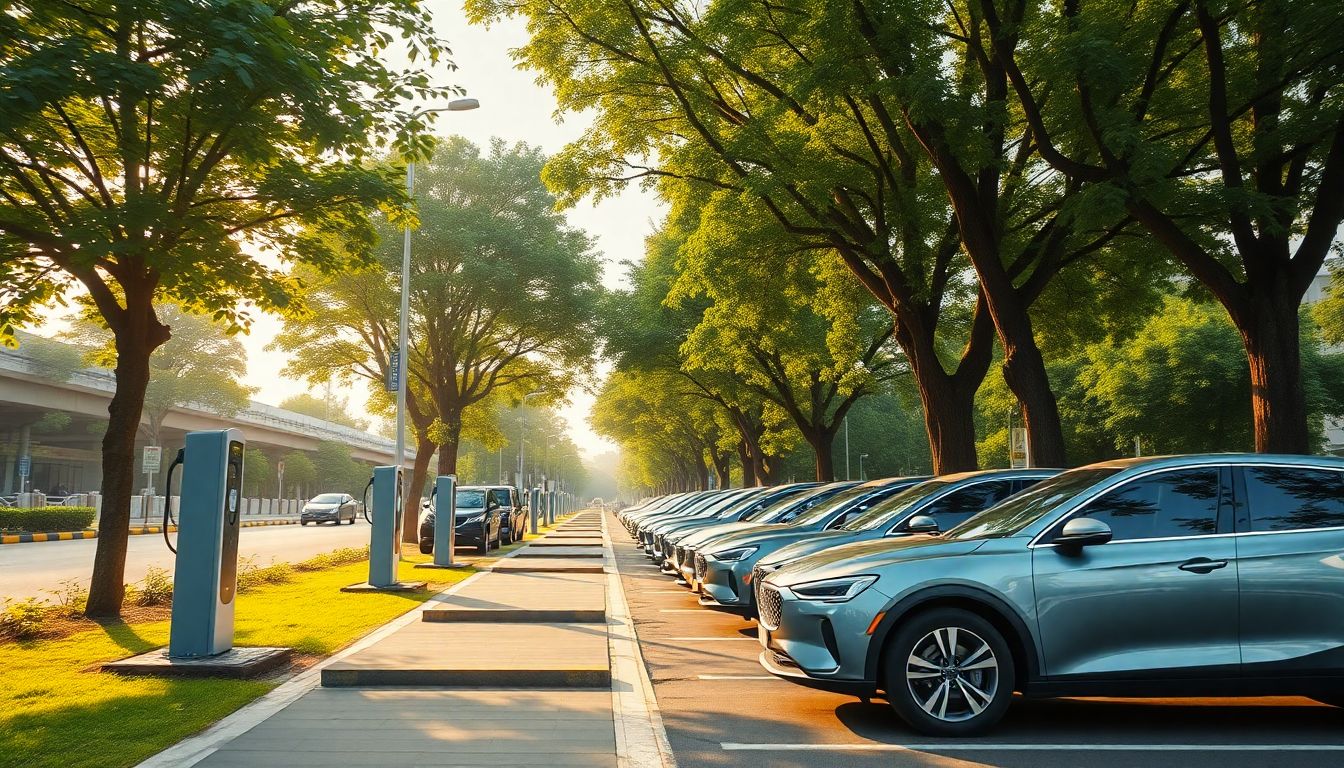
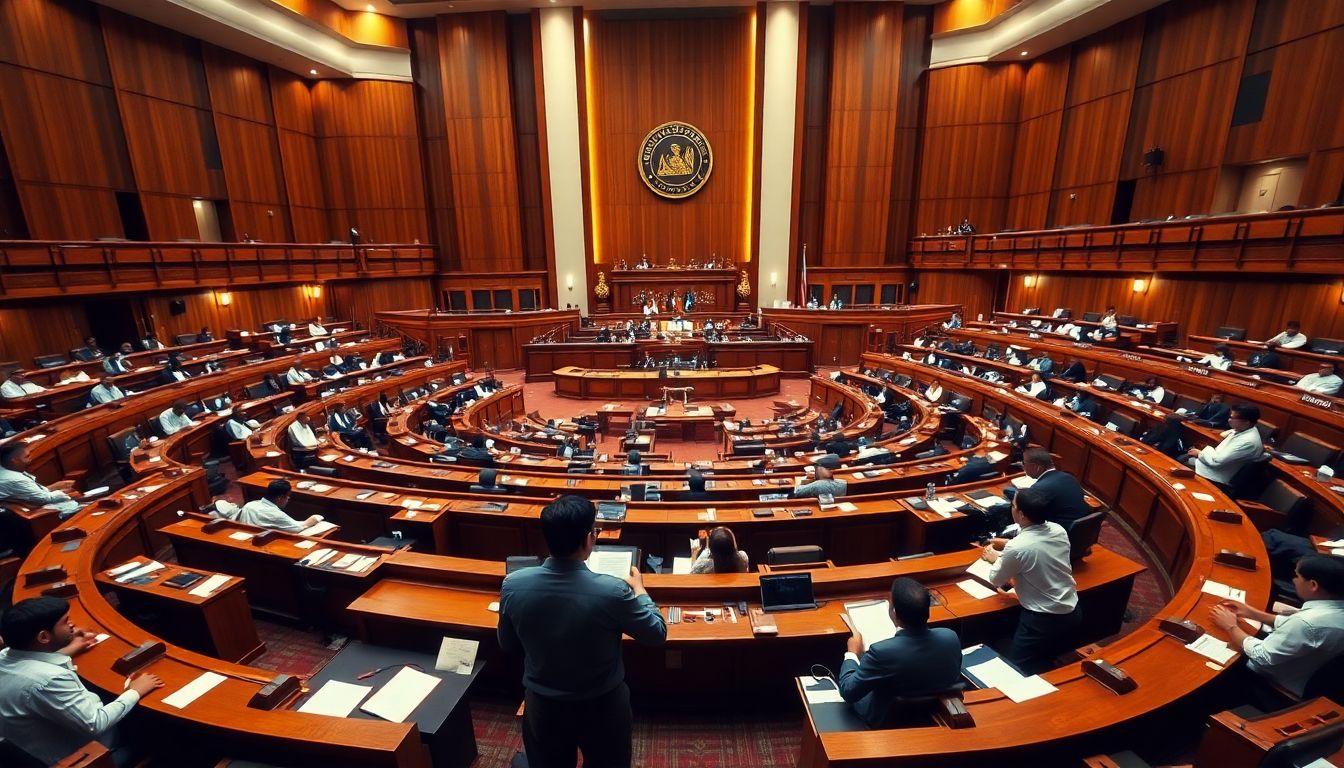
Karnataka has established 6,805 electric vehicle charging stations (EVCS) as of July 29, according to data from the Ministry of Heavy Industries presented in response to an unstarred question in the Rajya Sabha on August 7. The State ranks second in India for installed charging infrastructure, with significant network growth visible in Bengaluru following early policy initiatives.
Karnataka's tally accounts for nearly 13 percent of the 52,718 charging stations installed nationwide. The State trails Maharashtra, which leads the country with 6,985 stations, by a margin of 180 facilities.
Data reveals that Karnataka's charging infrastructure significantly surpasses that of neighbouring southern states. Tamil Nadu has recorded 3,839 charging stations, followed by Telangana with 3,739, Kerala with 3,399, Andhra Pradesh with 1,976, and Goa with 314. Elsewhere in the country, Uttar Pradesh has installed 4,493 stations, while Rajasthan has recorded 2,827. An annexure to the reply showed wide variations across regions, with several northeastern states and smaller Union Territories registering fewer than 100 stations.
The Ministry clarified that centralised data regarding the distribution between fast- and slow-charging stations is not maintained. Setting up EV charging stations remains an unlicenced activity, allowing private entities to establish facilities in line with Ministry of Power guidelines issued on September 17, 2024. Under the PM E-DRIVE scheme, Central ministries, State governments, Union Territories, and public sector undertakings are eligible to submit proposals for public charging stations, which can be operated directly or through charge point operators.
Industry experts attributed Karnataka's network growth to early policy decisions, specifically its 2017 EV policy. Transport expert M.N. Srihari stated that the extensive network in Bengaluru demonstrates how infrastructure builds consumer confidence, but noted that the focus must now shift toward improving interoperability, standardising tariffs, and providing real-time availability information.
Srihari added that future progress should be measured by accessibility and reliability rather than simple station counts. He emphasized that charging infrastructure must expand beyond major urban centres onto key highways and inter-city routes to reduce range anxiety and support broader EV adoption across the State.