Karnataka private bus fleet shrinks 78% as high costs and Shakti scheme hit operators
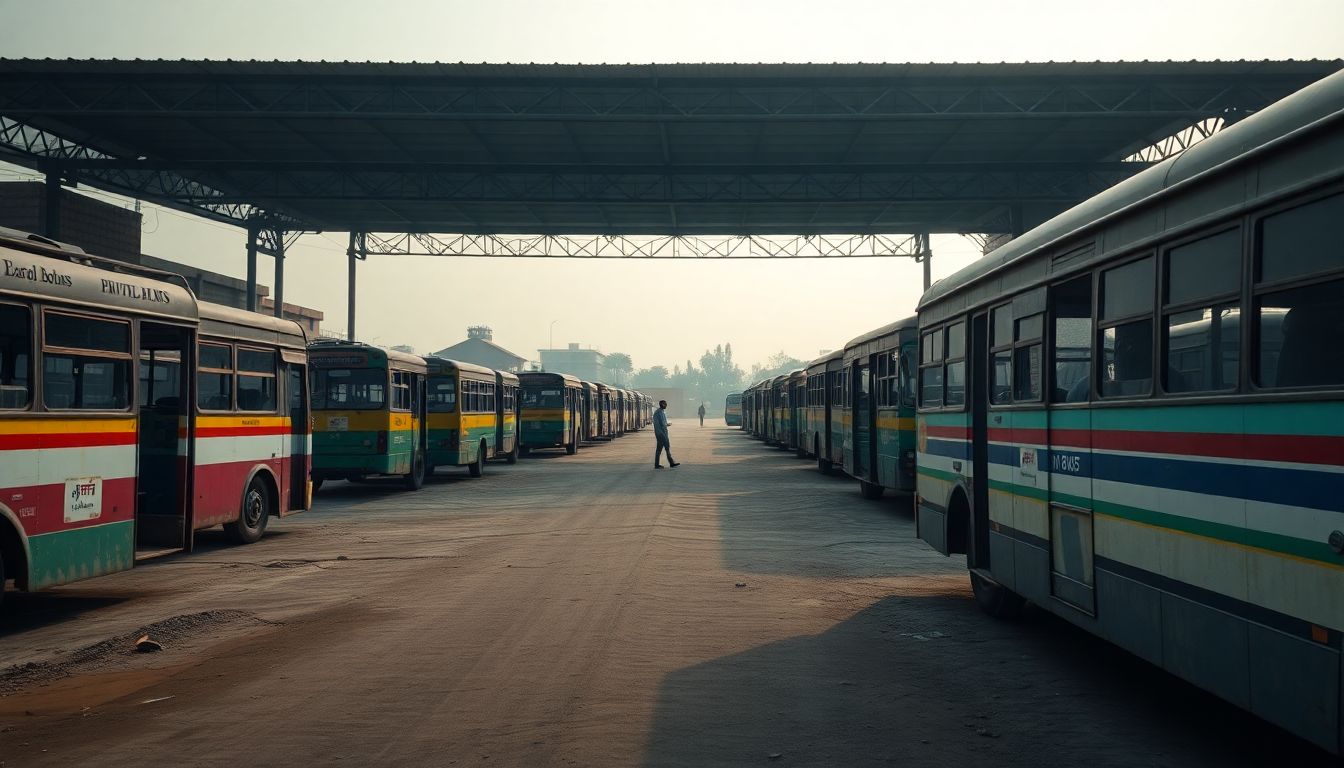
The private passenger bus industry in Bengaluru and across Karnataka has suffered a massive collapse, with its total fleet size shrinking by 77.8% over a five-year period. According to industry data, the number of active private passenger buses operating across the state plummeted from 36,000 in 2019 to just 8,000 in 2026, leaving thousands of operators struggling to survive.
In Bengaluru and the surrounding Old Mysuru region, only about 2,000 private buses remain in active service. More than half of the state's surviving private fleet now runs in the coastal districts, while the remaining vehicles are spread thinly across north and central Karnataka.
Industry representatives have attributed this sharp decline to a combination of severe financial pressures that have built up over the years. Chief among these are soaring diesel prices and the rising costs of vehicle maintenance and spare parts. The industry also suffered a major financial blow during the Covid-19 pandemic, from which many operators never fully recovered.
Furthermore, dwindling passenger numbers and the introduction of the Karnataka state government's Shakti scheme have severely impacted private revenues. The Shakti scheme, which provides free bus travel for women on government-run transport, has shifted a significant portion of the commuter base away from private operators.
The rapid expansion of services by the Bengaluru Metropolitan Transport Corporation (BMTC) and the Karnataka State Road Transport Corporation (KSRTC) has further squeezed the private sector. Private bus owners stated that this expansion has left them with no choice but to operate only on routes that are not currently covered by these government services.
Faced with an inability to repay vehicle loans, pay government taxes, or meet basic daily operating expenses, thousands of operators have suspended or completely shut down their services. Despite implementing fare hikes to offset losses, operators found the business increasingly unviable, leading many to sell off their buses to neighbouring states.