Karnataka Police Identify 911 Illegal Immigrants, 446 Overstaying in Bengaluru
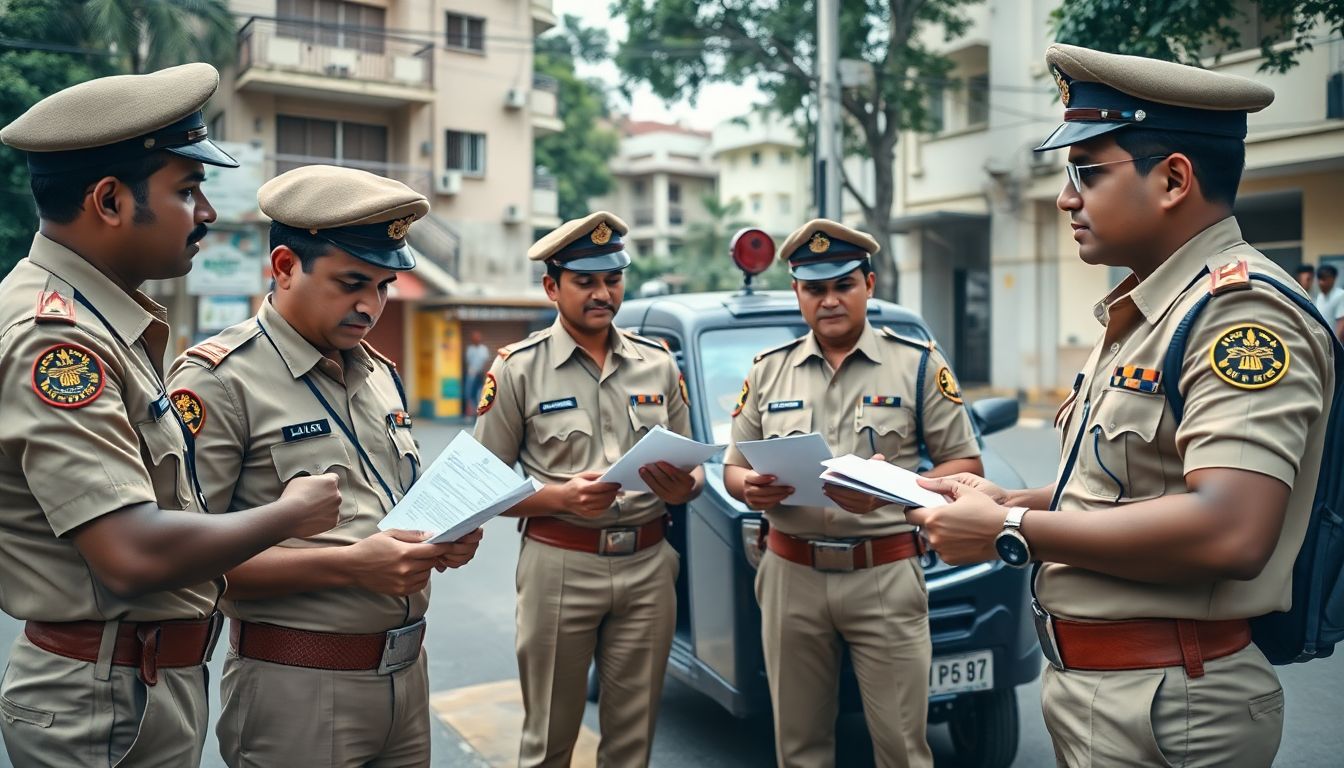
Karnataka police have identified 911 illegal immigrants across the state over the past three years, with 446 foreigners found to be overstaying illegally in Bengaluru city, according to an official police report.
Home Minister Priyank Kharge shared the data while replying to a question in the Karnataka Legislative Council. He stated that the action was taken as part of ongoing measures against illegal immigration and foreign nationals residing in the state without valid documents or continuing to stay beyond their permitted duration.
According to the report, police verified and identified 5,304 foreign nationals in Bengaluru city, discovering that 446 among them were overstaying illegally. The exact number of illegal immigrants identified in other individual districts across Karnataka was not specified.
Police carried out the background checks and verification of foreign nationals using the District Police Module (DPM) and the Foreigners Identification Portal (FIP). Authorities noted that further administrative and legal action was initiated in coordination with relevant government authorities and immigration officials.
Of the total 911 illegal immigrants identified across Karnataka in the last three years, Bangladeshi nationals accounted for the largest share at 868 individuals. They were followed by 20 nationals from Myanmar, 13 from Nigeria, eight from Sri Lanka, one from Nepal, and one from Uganda.
The report also revealed that 365 immigrants were found to have criminal cases registered against them in the state. Among those facing criminal charges, Nigerian nationals represented the largest group with 135 individuals, followed by 48 from Bangladesh and 44 from Nepal.
Other nationalities linked to criminal cases in the state included 20 individuals from Myanmar, 13 from Ivory Coast, 13 from Uganda, 11 from Ghana, nine each from Sudan, Ukraine, and Iran, eight from Kenya, seven from Sri Lanka, five each from Gambia and Ethiopia, four each from Tanzania and the United States, and three each from Cameroon and Indonesia.