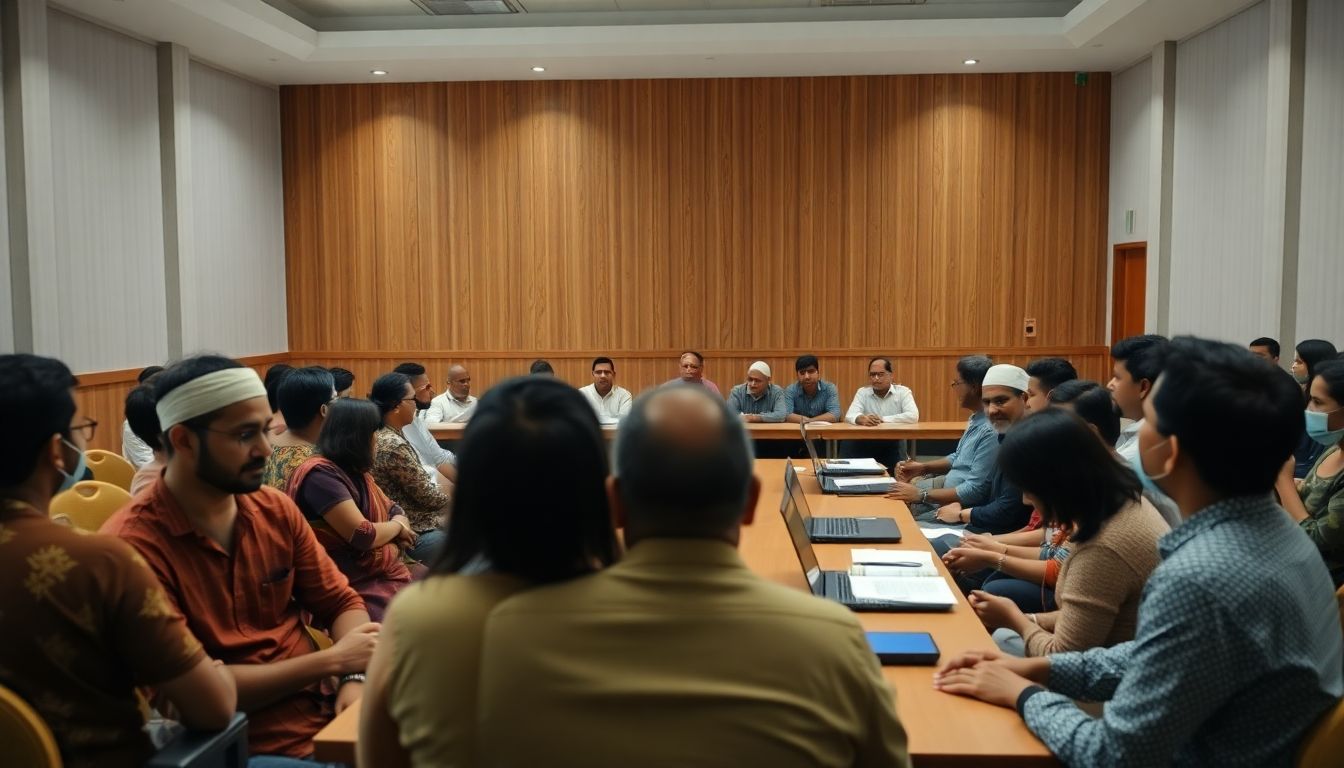
Karnataka orders strict water testing and warns Panchayats over contaminated supply
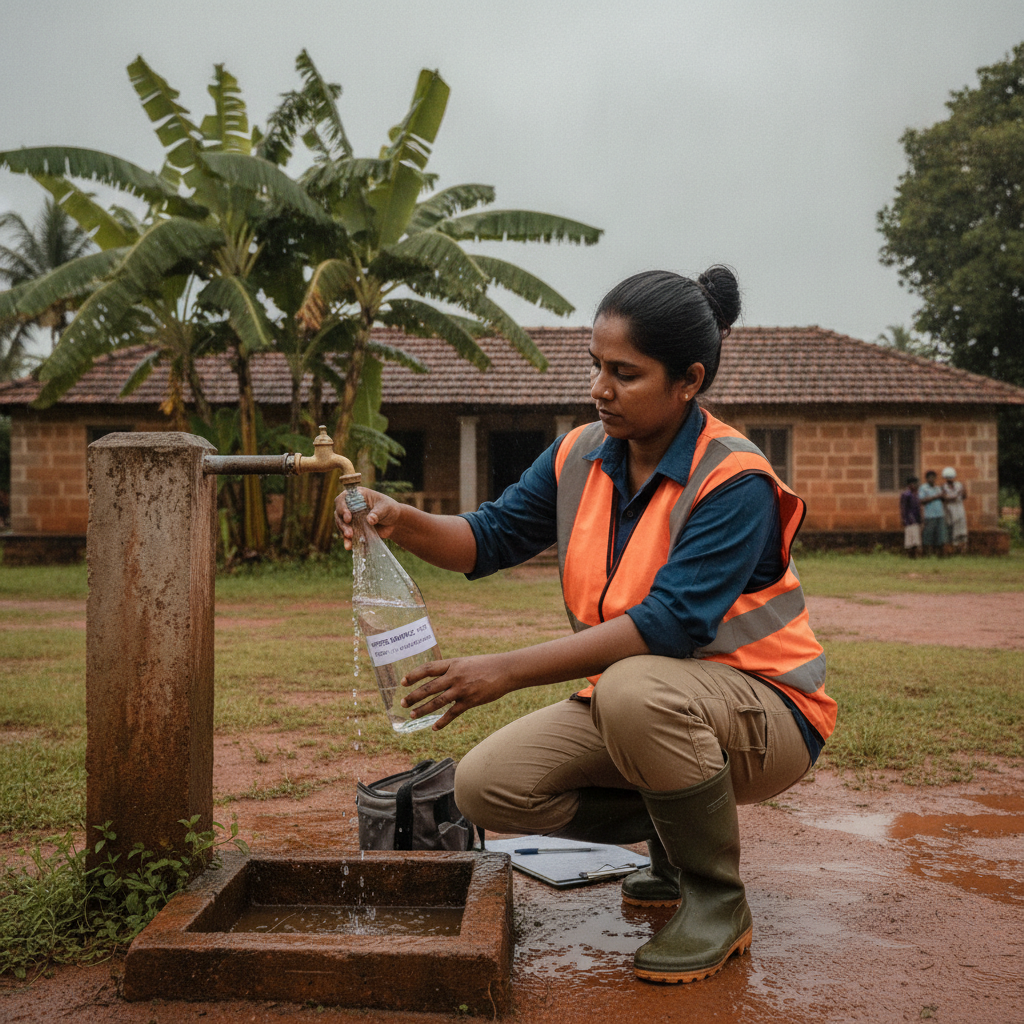
On June 8, 2026, the Karnataka government issued a stringent warning to Panchayats and ordered strict water testing across the state to prevent the supply of contaminated drinking water. The directive, which affects water systems from rural areas to Bengaluru landmarks like Cubbon Park, comes amid heightened fears of water-borne diseases spreading during the monsoon season.
The state's order enforces much stricter water quality monitoring protocols. Under the new directive, local government bodies are being held directly accountable for the safety of the water they distribute. The government's warning to the Panchayats is intended to prevent waterborne contamination and curb the spread of illnesses that typically spike during the heavy rains of the monsoon.
This preventative measure is designed to address the looming threat of water-borne illnesses, which historically see a rise during the rainy season. By demanding regular and rigorous testing of all drinking water sources, the state government aims to ensure that safety standards are consistently met.
The focus on clean water comes alongside the management of key water infrastructure in the region. This includes major supply systems like the Torekadanahalli (T K Halli) water treatment plant on the outskirts of Bengaluru, which features a Cascade Aerator as part of the Cauvery 4th stage phase II project. It also relates to local urban water systems, such as the recycled water treatment plant located at Cubbon Park.
With the monsoon season raising the risk of contamination, the state government has demanded that all local authorities prioritize rigorous testing. Panchayats have been warned of consequences if they fail to monitor water quality or if they allow contaminated water to reach the public.