Karnataka Major Reservoirs Hold 689 TMCFT Water, 135 TMCFT Less Than Last Year
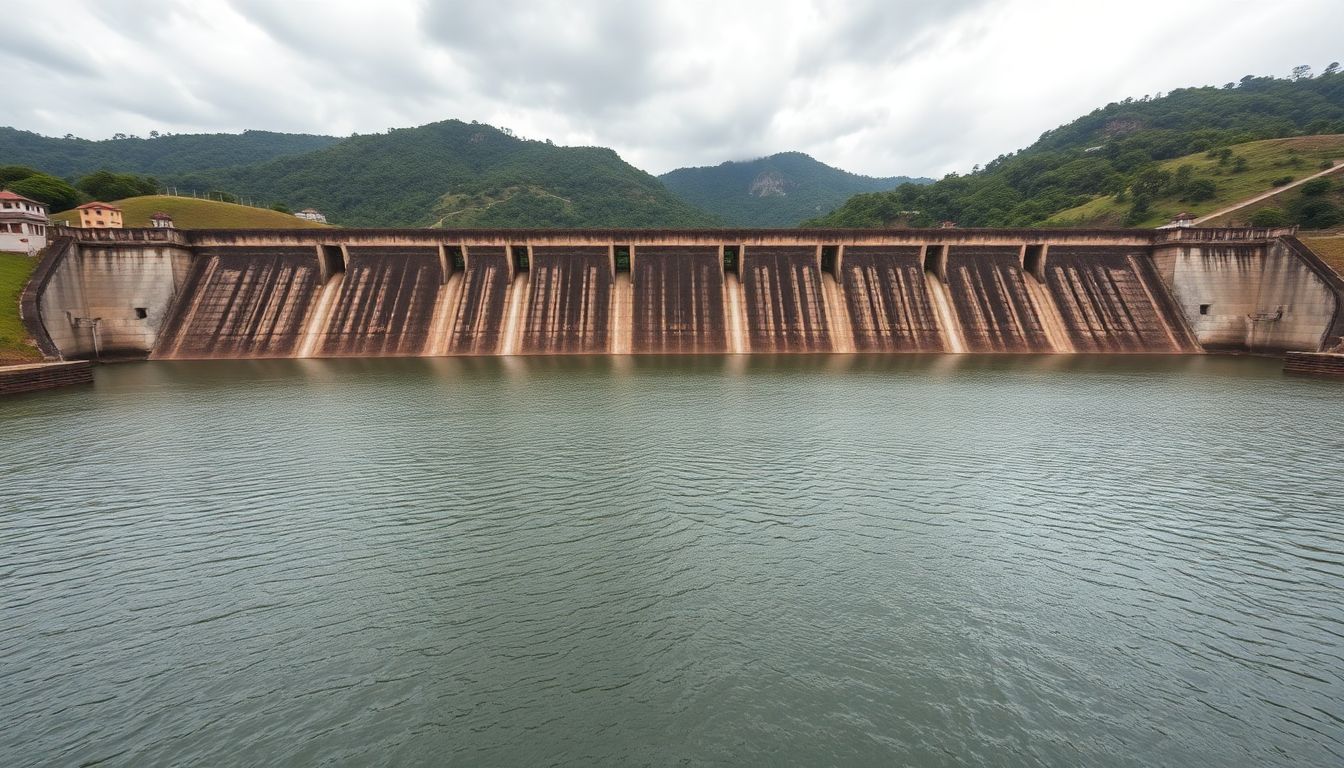
As of August 28, the 14 major reservoirs across Karnataka have stored 689 tmcft of water, marking a deficit of nearly 135 tmcft compared to the storage recorded on the same date last year. During the current monsoon season, these reservoirs received a total inflow of 763 tmcft of water while discharging 317 tmcft downstream.
Reservoirs in the Krishna basin recorded the strongest gains, aided by heavy rainfall in the Western Ghats of Maharashtra. The six reservoirs in the basin received over 514 tmcft of water, with the Almatti reservoir alone accounting for 302 tmcft. The six dams currently hold 386 tmcft against a cumulative gross capacity of 422.45 tmcft.
In the Tungabhadra command area, where early inflows were scanty, subsequent rains in the Malnad region of Shivamogga and Chikkamagaluru brought the reservoir to 91% capacity. The reservoir received 104 tmcft of water, with 96.23 tmcft stored and 19.41 tmcft discharged. On the same date last year, Tungabhadra held 80 tmcft.
Storage remained notably lower in other parts of the state. The Malaprabha reservoir holds 23 tmcft against its total capacity of 37.73 tmcft, having received only 17.80 tmcft since the monsoon began.
In the Cauvery basin, the four major reservoirs received 101 tmcft between June 1 and August 28. Officials released nearly 50 tmcft of that inflow to meet downstream legal commitments. The Krishnaraja Sagar (KRS) reservoir currently holds 32 tmcft out of its 49.45 tmcft capacity, down from 48.39 tmcft on August 28 last year, after receiving 33 tmcft and releasing 11 tmcft.
Discharges from the Kabini reservoir were among the highest in the Cauvery basin. The dam received 42 tmcft and released 33.25 tmcft, leaving it with 12.92 tmcft against its total capacity of 19.5 tmcft, with outflows exceeding inflows on August 28.