Karnataka Launches GIS App to Geotag 3 Lakh Rural Water Assets and Stop Fake Bills
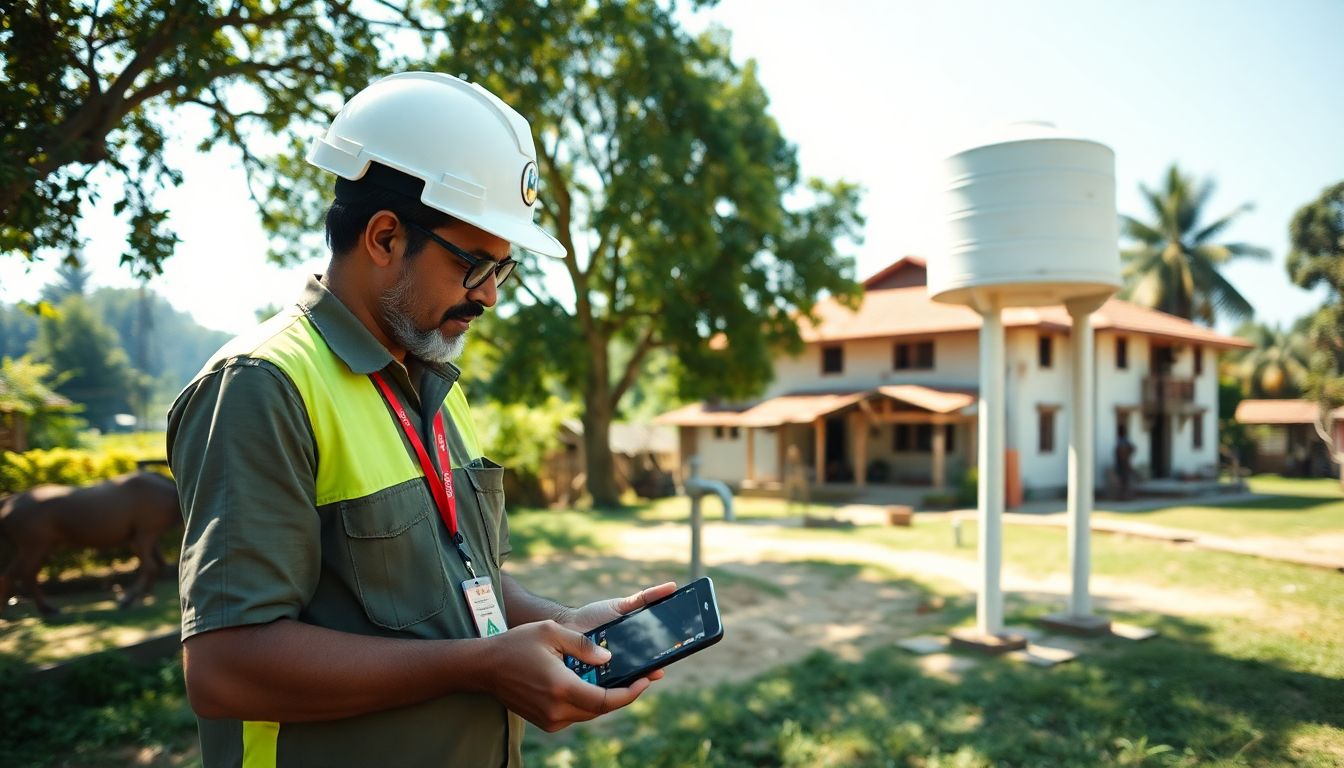
Rural Development and Panchayat Raj Minister Eshwar B Khandre on Thursday launched a Geographic Information System (GIS)-based mobile and web application in Bengaluru to manage rural water assets and curb fake billing across Karnataka.
Addressing the media after the launch, Khandre stated that all rural properties would be geotagged to ensure transparency. Under the initial phase of verification, over 70,000 water assets have already been digitised. The state aims to complete the digitisation of more than 3 lakh rural water assets across Karnataka by the end of September.
The system relies on a three-level verification mechanism to ensure accountability. During the first phase, assistant, junior, and support engineers will personally inspect the water assets on the ground. In the second stage, assistant executive engineers will randomly audit 5% of the properties. If discrepancies or faults are detected during this stage, the responsible contractors and engineers will face action. In the third stage, executive engineers will carry out random checks on 2% of the properties, placing greater responsibility on contractors and field officials executing water and sanitation works.
The application was developed by the Rural Drinking Water and Sanitation Department in collaboration with the Karnataka State Remote Sensing Applications Centre (KSRSAC). It enables the geotagging of all infrastructure works and water properties with a five-metre accuracy, effectively preventing the submission of fake bills.
Khandre also highlighted ongoing efforts to revive dried-up borewells under the Viksit Bharat — Guarantee for Rozgar and Ajeevika Mission (Gramin) scheme, also known as VB — G RAM (G). He noted that 7,700 borewells have been recharged to date, and instructions have been issued to recharge as many defunct borewells as possible after assessing the total count of dug and non-operational borewells.
Under the scheme's revised 60:40 Centre-state funding model, the Karnataka government is contributing Rs 3,800 crore, while the Union government is providing Rs 5,709 crore. Khandre added that over 3 lakh mandays are currently being generated daily, with a target of reaching 5 to 6 lakh mandays per day. Since July 1, a total of 74.77 lakh mandays have been generated under the programme.