Karnataka Issues Draft Bengaluru Parking Rules With Permits Costing Up to ₹25,000
The Karnataka government issued a draft notification of the Greater Bengaluru Authority (Parking) Rules, 2026, on August 11, proposing a comprehensive overhaul of paid parking across Bengaluru that includes mandatory annual residential parking fees of up to ₹25,000.
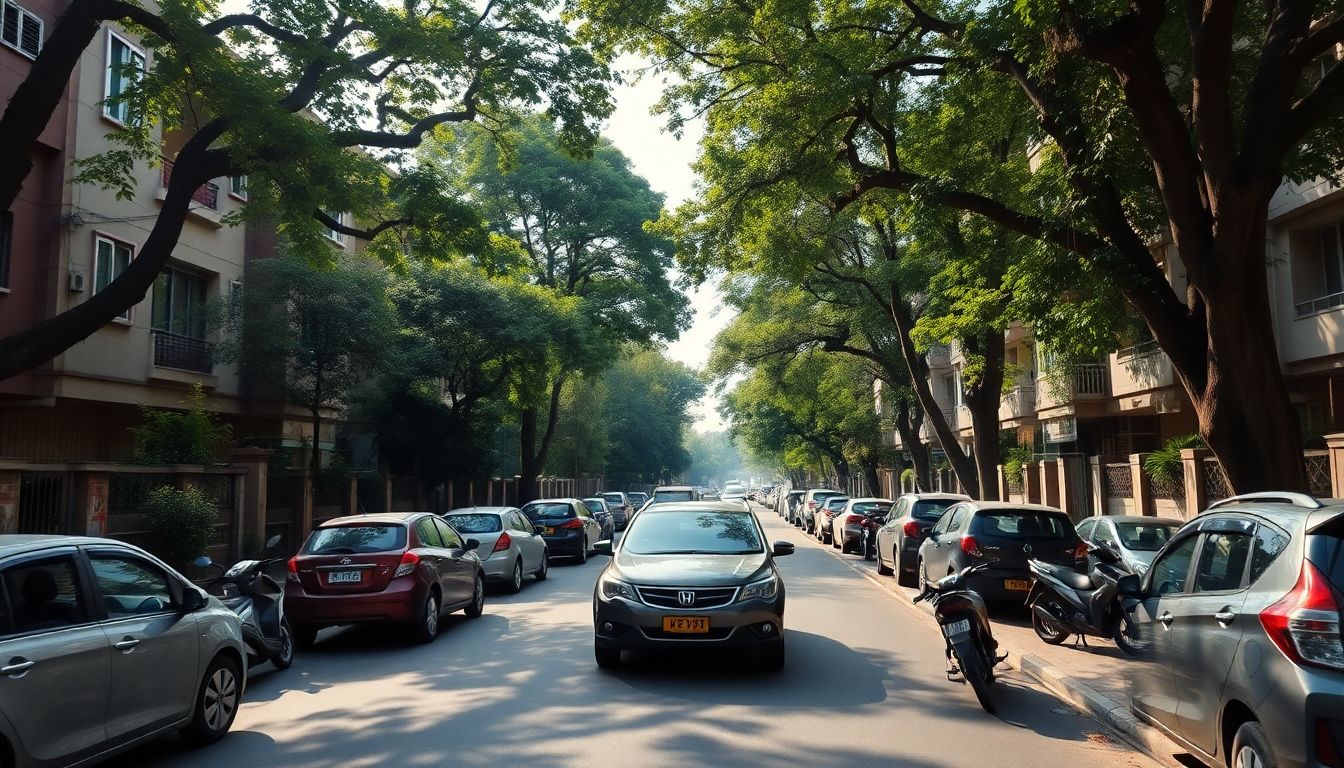
The draft rules, prepared five years after the notification of the Directorate of Urban Land Transport’s (DULT) Bengaluru parking policy, seek to monetise and regulate street space. Under the proposal, parking a four-wheeler on any residential street other than arterial and sub-arterial roads will require an annual residential parking permit.
The proposed rules set an annual permit fee of ₹15,000 for hatchbacks, ₹20,000 for sedans, and ₹25,000 for sports utility vehicles (SUVs). The city corporations may also levy an additional administrative fee, with the rate to be fixed by the GBA Chief Commissioner.
Permits will only be granted to residents of buildings that comply with the minimum parking requirements specified in building bylaws. Vehicles parked on residential streets outside houses with inadequate on-premise parking will be deemed illegal and subject to fines enforced by the Bengaluru Traffic Police.
To execute the policy, each city corporation will form a parking task force comprising the corporation commissioner, the jurisdictional deputy commissioner of police, Regional Transport Office (RTO) officers, and the executive engineer of the corporation’s traffic engineering cell. The task forces will assess parking demand and oversee area-specific parking plans based on street classifications.
The framework outlines a four-way plan for parking supply: creating organized on-street parking while protecting space for footpaths and bus bays, building off-street parking on corporation land, leasing land from vacant plot owners, and permitting private plot owners or aggregators to run parking services.
The rules follow difficulties in establishing paid parking across the city, where only Bengaluru Central City Corporation had successfully run paid parking on more than seven stretches. In commercial areas such as Jayanagar, motorists routinely parked in nearby residential lanes, reducing demand for paid stretches and discouraging operators from bidding on tenders.
The draft provisions have drawn criticism from citizens and experts, who argue the permit fees are excessive and treat parking primarily as a revenue-generating measure rather than a traffic management tool. Citizen groups have also noted that civic bodies previously issued occupancy certificates without checking building parking compliance.