Karnataka HC Quashes Konanakunte Police Notices to Cloudnine Hospital
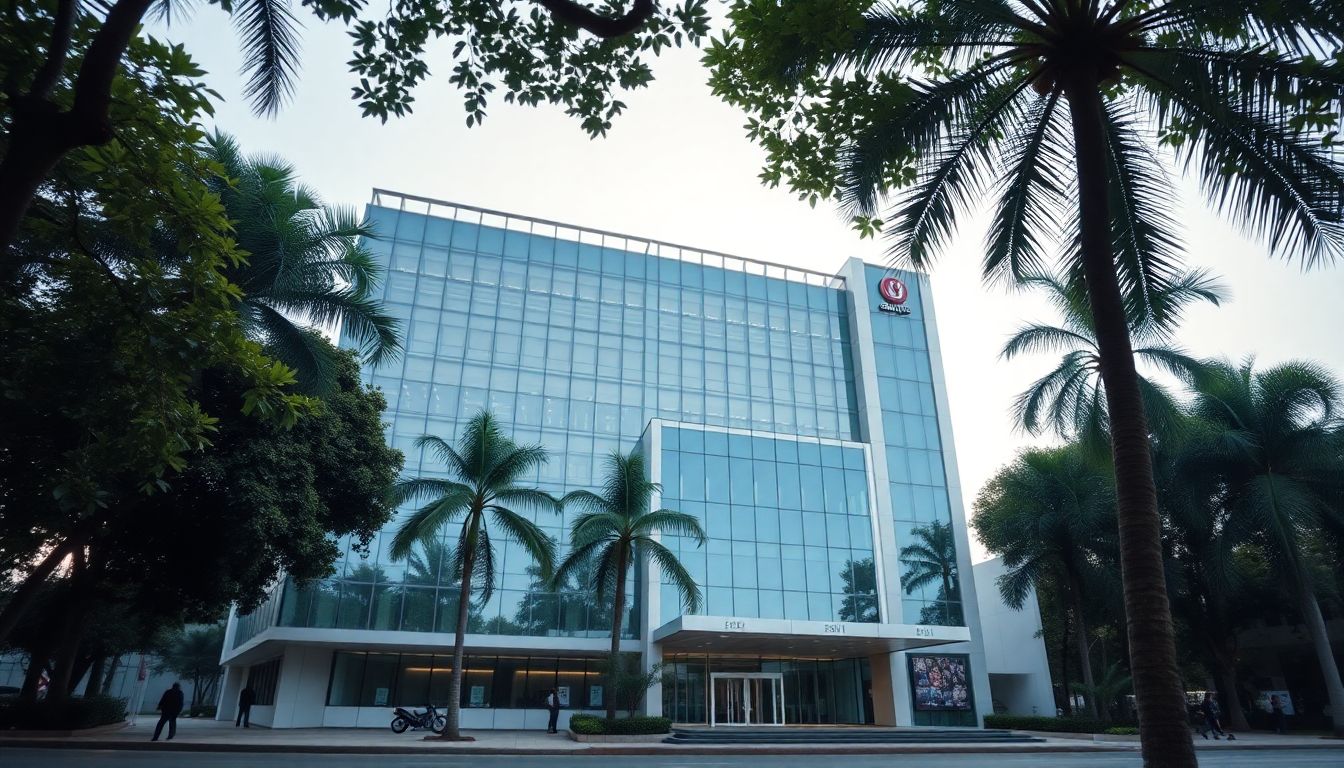
The Karnataka High Court has quashed a series of police notices issued by the Konanakunte police to Cloudnine Hospital in Bengaluru following the death of a 29-year-old woman during surgery in May. Justice M Nagaprasanna ruled that an investigation into an unnatural death cannot become an unrestricted exercise that repeatedly disrupts the functioning of a medical institution or obstructs essential healthcare duties.
The ruling came on a petition filed by Cloudnine Hospital and a doctor challenging notices issued by the Konanakunte police station. The case originated from the death of Spoorthi Chithriki during a hysteroscopic polypectomy procedure. According to the hospital, an unforeseen complication occurred during the surgery, resulting in her death in the operation theatre.
Following the incident, the hospital informed the police about the death. The Konanakunte police subsequently issued five initial notices demanding details regarding the treatment provided, the medical procedures followed, and technical specifications of the equipment used. The hospital stated in court that it had complied and supplied all requested information.
However, on May 23, the police issued three additional notices demanding the unedited video recording of the procedure, the physical production of the digital operation theatre equipment, and the surrender of the surgery machine. Police also summoned Dr Vinuta B and other healthcare staff for evidence collection, prompting the hospital to approach the High Court for relief.
Advocate Archana K M, appearing for the hospital, argued that doctors and healthcare institutions should not be subjected to repeated investigative demands without material establishing criminal culpability. She informed the court that the deceased woman's husband had already approached the Karnataka Medical Council seeking an inquiry, and that the hospital was prepared to share all relevant medical records with the council.
Defending the police action, Public Prosecutor B N Jagadeesha submitted that the death was allegedly linked to medical negligence and that officers were attempting to determine the cause of death. He argued that police were conducting a legitimate unnatural death inquiry under Section 194 of the Bharatiya Nagarik Suraksha Sanhita (BNSS) and were not harassing medical personnel.
Justice Nagaprasanna clarified that while Section 194 of the BNSS mandates an inquiry to establish the cause and circumstances of unnatural deaths, a preliminary inquiry is distinct from a full-fledged criminal investigation. The court observed that deep investigative questions regarding prosecution arise only after registering an FIR for a cognisable offence, and ruled that repeated demands for equipment and staff exceeded the scope of an unnatural death inquiry.