Karnataka Groundwater Levels Plunge as Sidlaghatta Hits State Deepest 90 Metres
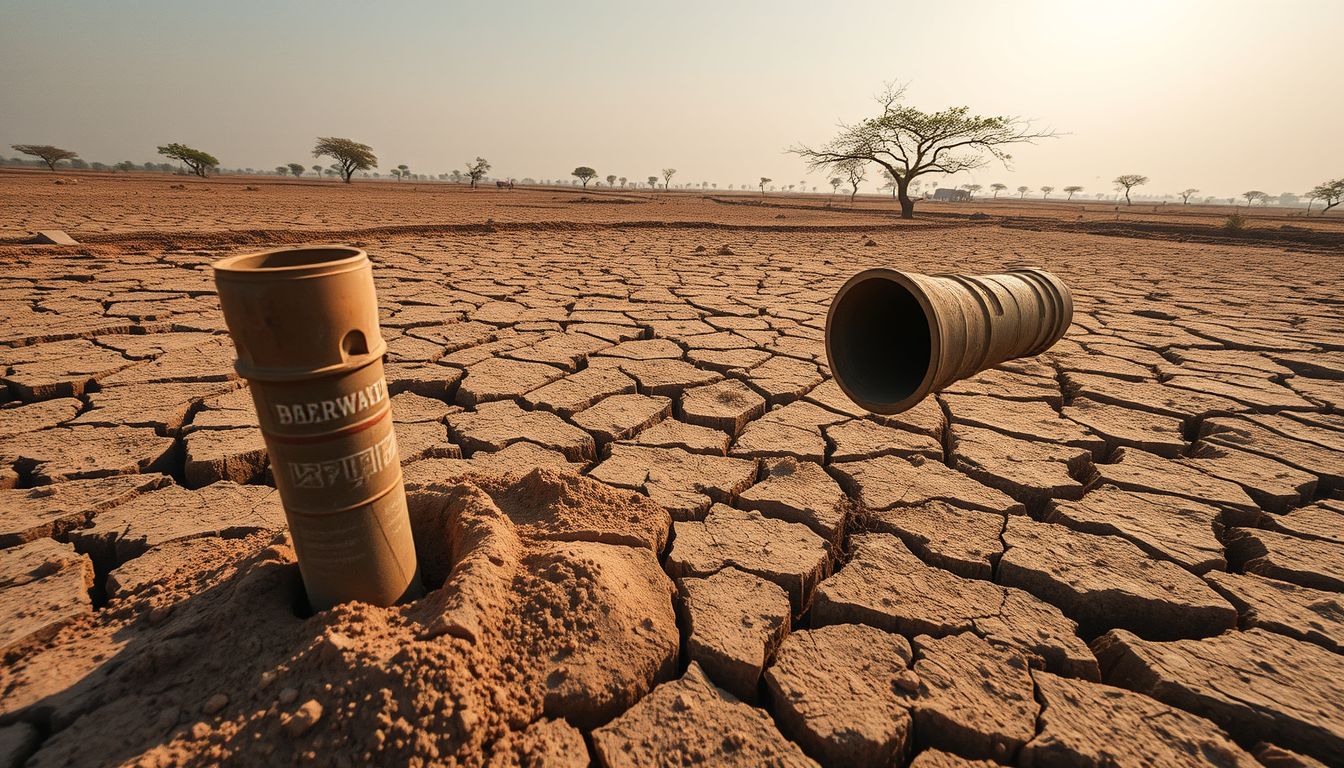
Karnataka is currently facing a severe groundwater crisis as inadequate rainfall and unchecked extraction continue to push water tables down to alarming depths. Data from July shows that Sidlaghatta in Chikkaballapur recorded the deepest groundwater level in the entire state at 90 metres below ground. During the same period, Malur taluk in Kolar recorded groundwater levels reaching 80 metres below ground.
The ongoing depletion has spread across a vast portion of the state despite the end of the primary summer season. Officials noted that groundwater levels in half of Karnataka’s 236 taluks were actually deeper in July than they were during April, even though April is recognized as the peak summer month. According to officials, short spells of rain during the monsoon period failed to adequately recharge underground aquifers. In response to the dry conditions, farmers across the affected regions increased their groundwater extraction in an effort to protect their crops.
The situation has turned especially critical in Sidlaghatta, where static borewell levels fell by a drastic 48 metres between April and July. The dramatic decline resulted in hundreds of private borewells drying up completely. In an attempt to find water, farmers in the area are increasingly drilling borewells beyond 1,000 feet deep, though these expensive efforts are frequently meeting with little success.
Water experts warning about the crisis pointed out that nearly 20 percent of all borewells in Karnataka have now dried up entirely. Furthermore, another 40 percent of borewells across the state are yielding less water than before, significantly reducing overall water availability.
To prevent further deterioration and restore depleted groundwater reserves, experts stated that sustained normal rainfall is essential. They also emphasized that strict water budgeting must be implemented across the state to control extraction and protect remaining water resources.