Karnataka Govt Premises To House 1,250 EV Charging Stations Under PM E-DRIVE
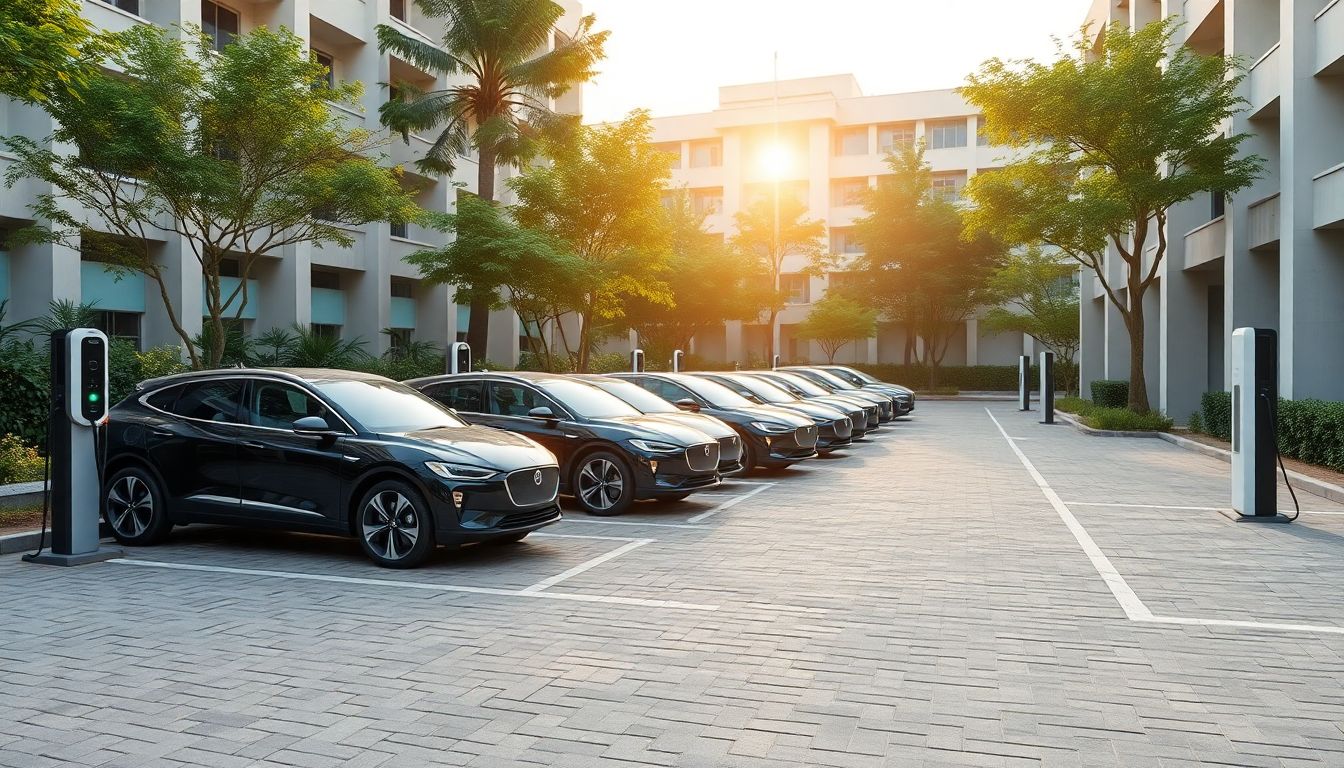
Government offices and public premises across Karnataka are set to double up as electric vehicle charging stations under the Centre's PM E-DRIVE scheme, with Bangalore Electricity Supply Company Limited (Bescom) designated as the nodal agency to execute the project.
Gaurav Gupta, Additional Chief Secretary of the Energy Department, has directed various government departments to identify vacant land and parking areas on their premises. The shortlisted locations will be handed over to Bescom to establish the charging infrastructure, with instructions to provide separate entry and exit arrangements where needed to ensure 24-hour public access.
Bescom has proposed setting up 1,250 charging stations across properties belonging to 33 government departments. Out of 687 government sites surveyed by the Union Ministry of Heavy Industries, 515 locations have received approval in the initial phase.
The initiative includes a revenue-sharing model to incentivize participating departments. Under Union Power Ministry guidelines, land-owning departments will receive ₹1 for every kilowatt-hour (kWh) of electricity consumed for charging. Bescom will enter into a 10-year agreement with each department, taking complete responsibility for installing, operating, and maintaining the infrastructure.
The 1,250 proposed sites have been divided into two categories. Category A covers Union and State government properties such as office complexes, hospitals, schools, and college campuses. Category B encompasses government-managed public transport hubs, including metro stations, railway stations, bus terminals, and airports.
Bescom Managing Director N. Shivashankara stated that the utility has established a digital system to manage approvals, monitoring, and subsidy distribution. The stations will be integrated into the EV Mitra platform, allowing electric vehicle drivers to locate and access charging points.
The plan outlines both fast and normal chargers tailored for urban and highway setups. Proposed urban stations will require between 133 square metres and 175 square metres of land, while highway stations will occupy between 221 square metres and 476 square metres.